Eggplant is a popular ingredient used in many cuisines around the world, but many people still wonder: is eggplant a fruit or a vegetable? The confusion comes from the way eggplant is used in cooking compared to how it is classified in plant science. In everyday meals, eggplant is treated like a vegetable because it is cooked in savory dishes. However, from a botanical perspective, eggplant is actually considered a fruit. Understanding the difference between scientific classification and culinary use helps explain why this question is so common. This guide explores the topic in detail to clearly answer the question: is eggplant a fruit.
What Is Eggplant?
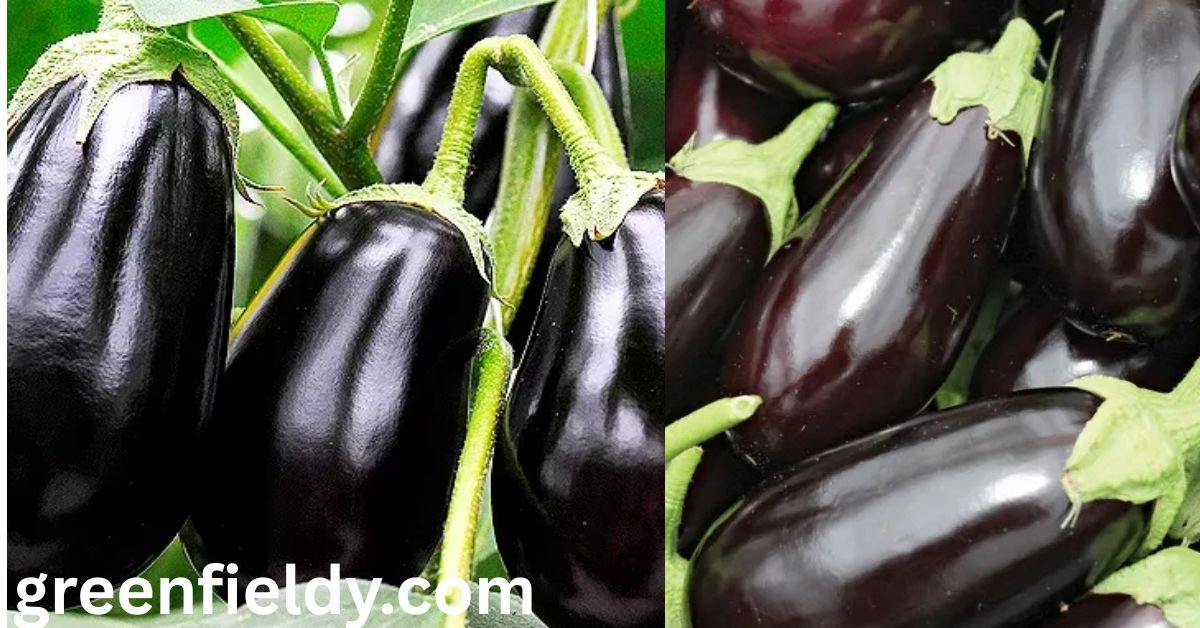
Eggplant, also known as aubergine or brinjal in different regions, is a plant grown for its edible purple fruit. It belongs to the nightshade family and grows in warm climates. The plant produces large, glossy fruits that are commonly used in dishes such as curries, roasted meals, and grilled recipes.
Because eggplant has a savory taste and is usually cooked like vegetables, people rarely think of it as a fruit. This culinary usage is one of the main reasons people ask the question is eggplant a fruit.
Click The Latest Arugula Shortage
The Botanical Definition of a Fruit
To understand whether eggplant is a fruit, it is important to know how scientists define a fruit. In botany, a fruit is the mature ovary of a flowering plant that develops after fertilization and contains seeds.
Fruits grow from flowers and protect the seeds of the plant. Examples of botanical fruits include tomatoes, cucumbers, peppers, and eggplants. Based on this definition, eggplant meets all the criteria used to classify something as a fruit.
Is Eggplant a Fruit According to Science?
Scientifically speaking, the answer to is eggplant a fruit is yes. Eggplant develops from the flower of the plant and contains seeds within its flesh. These characteristics clearly place it in the fruit category in botanical classification.
More specifically, eggplant is considered a type of berry in botanical terms. A berry is a fruit that grows from a single flower and contains multiple seeds surrounded by fleshy pulp.
Why Eggplant Is Often Called a Vegetable
Even though eggplant is technically a fruit, it is commonly referred to as a vegetable in cooking. Culinary classifications are based on taste, texture, and how foods are used in meals rather than how they grow.
Eggplant has a mild and slightly bitter flavor, which makes it suitable for savory dishes rather than sweet desserts. Because of this, chefs and home cooks treat eggplant the same way they treat vegetables.
Eggplant and the Nightshade Family
Eggplant belongs to the nightshade plant family, which includes several other well-known foods. Members of this plant group share similar growth patterns and botanical features.
Other nightshade plants include tomatoes, peppers, and potatoes. Many of these foods also cause confusion about their classification, which is why questions like is eggplant a fruit often appear when discussing plant biology and cooking.
Nutritional Benefits of Eggplant
Eggplant is not only versatile in cooking but also offers several nutritional benefits. It is low in calories and contains important nutrients that support overall health.
Eggplant provides dietary fiber, antioxidants, vitamins, and minerals. The purple skin contains compounds that may help protect cells from damage. Adding eggplant to meals can contribute to a balanced and healthy diet.
Common Culinary Uses of Eggplant
Eggplant is widely used in many traditional dishes across different cultures. Its soft texture and ability to absorb flavors make it ideal for various cooking methods.
Some popular dishes include eggplant parmesan, grilled eggplant, baba ganoush, and ratatouille. Although the scientific answer to is eggplant a fruit is clear, its culinary role continues to place it among vegetables in the kitchen.
Other Fruits That Are Often Mistaken for Vegetables
Eggplant is not the only food that is botanically a fruit but treated as a vegetable in cooking. Several other commonly used ingredients fall into the same category.
Examples include tomatoes, cucumbers, zucchini, and bell peppers. Like eggplant, these foods grow from flowers and contain seeds, which means they are fruits from a botanical perspective.
Why the Fruit vs Vegetable Debate Exists
The confusion between fruits and vegetables often comes from the difference between botanical definitions and culinary traditions. Scientists classify plants based on their structure and development, while cooking categories are based on taste and usage.
Because eggplant is used in savory dishes and rarely eaten raw or sweet, people naturally think of it as a vegetable. This explains why the question is eggplant a fruit continues to be discussed.
Understanding the True Classification of Eggplant
When examining the plant scientifically, eggplant clearly fits the definition of a fruit. It develops from a flower and contains seeds, which are the main characteristics of fruits in plant biology.
However, its taste and culinary role mean that it will likely continue to be treated as a vegetable in everyday cooking. Recognizing both perspectives helps clarify the true nature of eggplant.
Frequently Asked Questions (FAQs)
1. Is eggplant a fruit or vegetable?
Eggplant is botanically a fruit because it grows from the flower of the plant and contains seeds. However, it is commonly used as a vegetable in cooking.
2. Why is eggplant considered a berry?
Eggplant is classified as a berry in botanical science because it develops from a single flower and contains multiple seeds surrounded by fleshy pulp.
3. Are eggplant and tomatoes related?
Yes, eggplant and tomatoes belong to the same plant family known as the nightshade family.
4. Can eggplant be eaten raw?
Eggplant can be eaten raw, but it is usually cooked because cooking improves its texture and flavor.
5. Is eggplant healthy to eat?
Yes, eggplant is healthy. It contains fiber, antioxidants, and essential nutrients that support overall health.
Conclusion
The question is eggplant a fruit highlights the difference between scientific classification and everyday cooking practices. From a botanical perspective, eggplant is clearly a fruit because it develops from the flower of the plant and contains seeds. However, due to its savory flavor and culinary use, it is commonly treated as a vegetable in kitchens around the world.
Understanding this distinction helps clarify the true classification of eggplant while also explaining why the confusion exists. Whether considered a fruit or used as a vegetable, eggplant remains a nutritious and versatile ingredient enjoyed in many dishes.
About the Author