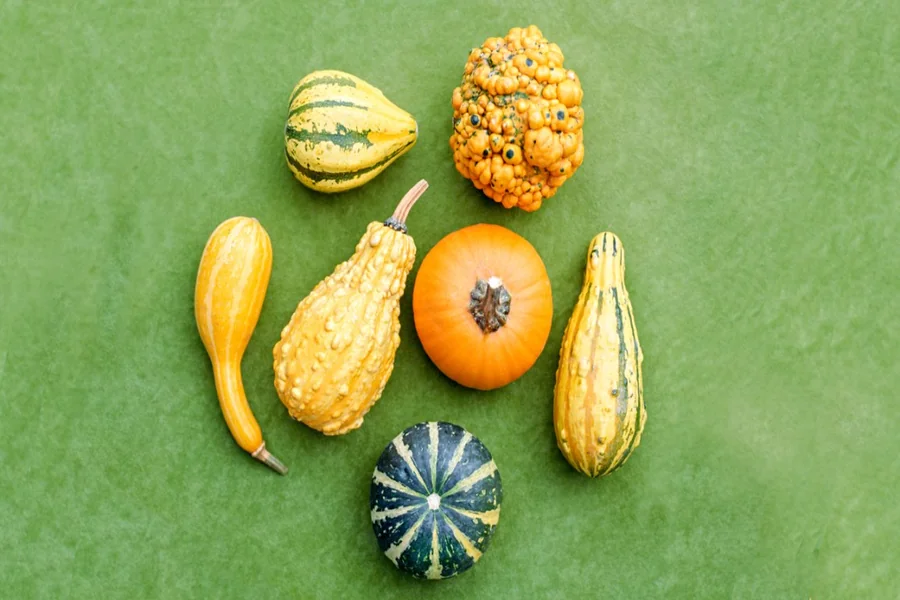
There are two types of squash: summer squash and winter squash. Summer squash is soft-skinned and consumed young, while winter squash is hard-skinned and stores longer. They are commonly referred to as zucchini, butternut squash, acorn squash, or spaghetti squash.
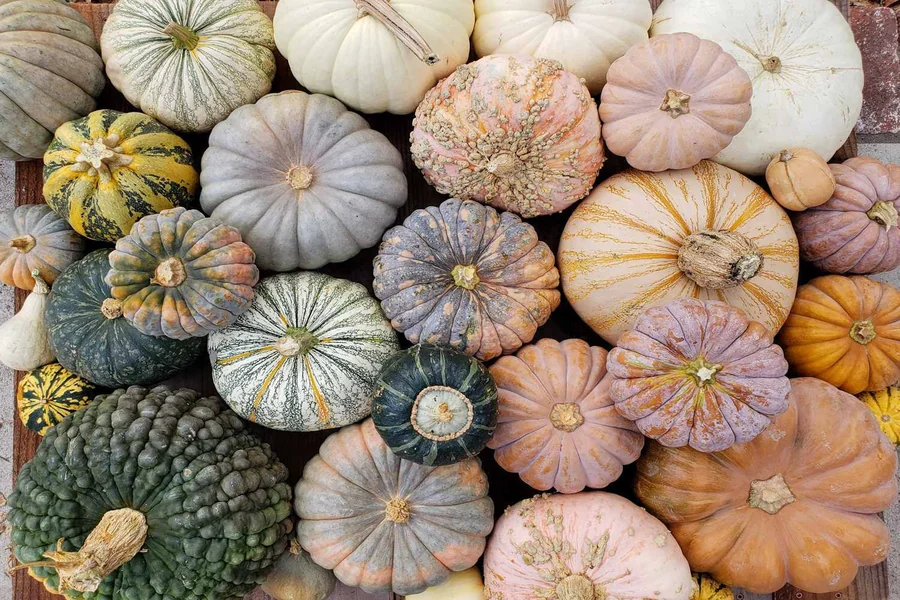
As you begin to consider what kinds of squash there are, you quickly find that there’s a lot of variety in this family of vegetables. Squash is available in a wide variety of shapes, colors, and flavors. Some are light and watery. Others are thick and sticky.
Squash is enjoyed in soups, salads, roasted dishes, and desserts all over the world. It is one of the most versatile vegetables due to its variety.
Learning the various varieties of squash can help you determine which type will be best for preparing, eating, and storing. Some cook fast. Others can persist for months. Both types have their own unique flavors.
Types of Squash Overview
| Category | Main Types | Texture | Storage Time | Common Uses |
| Summer Squash | Zucchini, Yellow squash, Pattypan | Soft, tender | 3–7 days | Stir-fry, grilling, salads |
| Winter Squash | Butternut, Acorn, Spaghetti, Kabocha | Hard, dense | 1–6 months | Roasting, soups, baking |
| Flavor Range | Mild to sweet, nutty | Varies by type | Longer for winter squash | Savory & sweet dishes |
| Harvest Time | Early season | Late season | Seasonal | Year-round availability |
What Are the Main Types of Squash?
Squash is a member of the gourd family. It is divided into two main categories:
1. Summer Squash
Early harvest of summer squash. There is nothing hard or inedible on the skin. The interior is soft and light.
Here are some of the more common varieties of summer squash:
- Zucchini
- Yellow squash
- Pattypan squash
These varieties are fast cooking. They are perfect for grilling, sautéing, and raw consumption.
2. Winter Squash
Winter squash is harvested in the later part of the season. Has a tough, hard shell. May be long-stored.
The most popular squash cultivars are:
- Butternut squash
- Acorn squash
- Spaghetti squash
- Kabocha squash
They have a more flavorful taste, and some are sweet by nature when cooked.
Nutritional Value of Different Types of Squash
Squash isn’t only versatile. It also has a high nutritional value.
Most varieties of squash have:
- Vitamin A is essential for maintaining vision and eye health.
- Vitamin C – immunity.
- Fiber for digestion
Antioxidants that help to protect the cells.
Squash naturally contains more sugars and fiber in the winter. It’s lower in calories and more watery than summer squash.
Eating both types gives a balanced nutrient intake.
Read More: Bean Shortage The Silent Food Crisis Reshaping Global Diets
Popular Types of Squash Explained
Let’s explore the most popular varieties of squash.
Zucchini (Summer Squash)
One of the most popular varieties of squash is zucchini. Not as spicy as black pepper and is quick to cook. Can be used in stir-fries, pasta, and baked goods.
Yellow Squash
Yellow squash is a bit sweet and soft. It can be cut into pieces and fried or barbecued.
Butternut squash
Butternut squash has a sweet and nutty flavor. Ideal for soups, roasting, and purees.
Acorn squash
The flavor of acorn squash is slightly earthy. It is frequently baked with seasoning or stuffed.
Spaghetti squash
Spaghetti squash is a one-of-a-kind vegetable. When cooked, its flesh turns into noodle-like strands. It is a popular substitute for pasta that is low in carbohydrates.
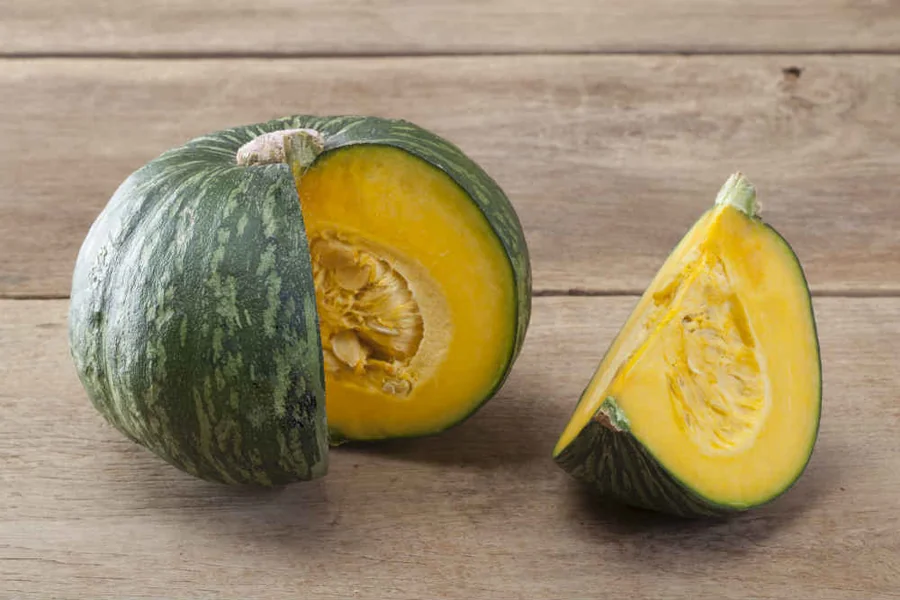
Kabocha squash
Kabocha squash is rich and creamy. Is thick and sweet.
How to Choose the Right Types of Squash
When deciding on a squash, consider how you plan to use it.
Here are some easy tips:
- To use as a quick meal option → pick zucchini or yellow squash
- For soups and roasting → select butternut or kabocha.
- For stuffing → choose acorn squash
- If you’re looking for a low-carb option, then spaghetti squash is the way to go.
Always check for:
- Firm skin
- No soft spots
- Bright, healthy color
Fresh squash is better tasting and will keep longer.
Cooking Methods for Different Types of Squash
There are a variety of squash and each has its own preferred cooking technique.
How to use summer squash in recipes.Recipes for summer squash.
Cook in sauté pan with garlic and olive oil.
- Grill with herbs
- Add to pasta dishes
- Bake into casseroles
There is a wide variety of ways to cook winter squash.
- Roast in the oven
- Blend into soups
- Steam and mash
- Stuff with rice or meat
Winter squash will cook slower than butternut squash, but will become more flavorful.
Read More: Goldenrod Look Alikes The Yellow Flower Illusion That Tricks Everyone
Comparison Table: Summer vs Winter Squash
| Feature | Summer Squash | Winter Squash |
| Skin | Soft and edible | Hard and thick |
| Harvest Time | Early season | Late season |
| Flavor | Mild and light | Sweet and rich |
| Storage | Short-term | Long-term |
| Cooking Time | Fast | Slow |
| Examples | Zucchini, yellow squash | Butternut, acorn, kabocha |
Health Benefits of Different Types of Squash
Squash could be a beneficial addition to a healthy diet.
1. Supports Digestion
Squash is a high-fiber food. It aids digestion to keep it smooth.
2. Boosts Immunity
Vitamin C helps boost the immune system.
3. Improves Eye Health
Beta-carotene is contained in orange squash types.
4. Helps Weight Management
Most squash varieties are low in calories.
5. Supports Heart Health
Squash is a good source of potassium, which is important for controlling blood pressure.
Storage Tips for Types of Squash
Squash stores well when properly stored.
Summer Squash Storage
- Store in the refrigerator.
- Use within 3–5 days
- Keep without washing for more freshness.
Winter Squash Storage
- Keep in a cool dry location.
- Avoid direct sunlight
- May last for several months!
Cut or sliced winter squash keeps much longer than whole winter squash.
Common Mistakes When Using Types of Squash
Avoid these mistakes:
- Cooking summer squash too long (mushy)
- Not peeling winter squash properly
- Not cooking until darned, before they’re ripe
- Allowing cut squash to be kept for too long.
- Any minor error can alter texture and flavour.
Read More: Can Goats Eat Peaches
Creative Ways to Use Types of Squash
Squash is not as rigid as most people believe it is.
Try these ideas:
- To smoothies: Hide zucchini in smoothies for added nutrition.
- Serve spaghetti squash in place of pasta
- Roast butternut squash to enjoy in desserts
- For a side dish, grill slices of acorn squash.
These are all ideas for making meals a healthier and more interesting experience.
Final Thoughts
Knowing the different varieties of squash will enable you to cook them more sensibly and eat better. Whether it’s a soft summer squash or a rich, hearty winter squash, there’s a variety that offers a unique texture and flavor.
Zucchini can be used in a variety of dishes, such as pinwheats, pasta, zucchini muffins, and butternut squash soups. It’s all about selecting the right squash to use in a recipe and preparing it correctly.
There are a variety of shapes, colors, and types of squash, which makes it easy to incorporate variety, nutrition and flavor into your daily menu.
FAQs:
What are the different types of squash?
There are two principle varieties: summer squash and winter squash.
Which squash is the healthiest?
All varieties of squash are healthy, with winter varieties being higher in fibre and vitamins.
Is squash skin edible?
Yes, the skin of squash can be eaten. The skin of winter squash is typically removed.
. Which of the following statements about the types of sweet corn is true?
One of the sweetest varieties is butternut squash.
Zucchini is a types of squash?
Yes, zucchini is a type of summer squash.
What is the longest the squash can be kept for?
Summer squash can be stored for a few days. Winter squash will store for many months.
What can you use spaghetti squash for?
It is used as an alternative to pasta in low carb diets.
Is squash good for eating raw?
Yes, some summer squash like zucchini can be eaten raw.
About the Author