Introduction to Goldenrod and Its Importance
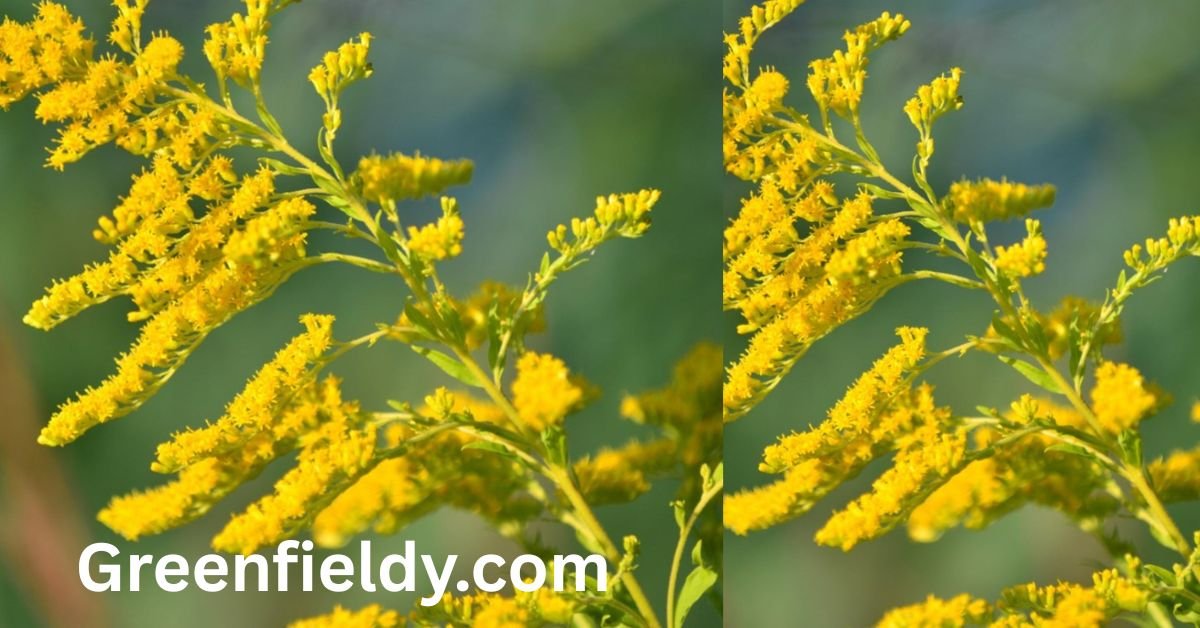
Goldenrod is a bright, eye-catching plant known for its clusters of small yellow flowers that bloom in late summer and fall. It plays a valuable role in ecosystems by supporting pollinators like bees and butterflies. However, many plants resemble goldenrod closely, which often leads to confusion among gardeners, foragers, and nature enthusiasts. Understanding goldenrod look alikes is essential for proper identification, especially when dealing with allergies, herbal uses, or ecological studies.
What Is Goldenrod? Key Characteristics
Goldenrod belongs to the Solidago genus and is commonly found in fields, meadows, and roadsides. It typically grows upright with tall stems and narrow leaves. The most recognizable feature is its plume-like clusters of tiny yellow flowers that form dense sprays.
Goldenrod is often wrongly blamed for seasonal allergies, but it is actually not the main culprit. Its pollen is heavy and sticky, meaning it doesn’t travel far in the air.
Why Identifying Goldenrod Look Alikes Matters
Misidentifying plants can lead to several issues. Some look alike species may trigger allergies, while others may not have the same ecological or medicinal value. In certain cases, confusing plants can even pose risks if used incorrectly in herbal remedies. That’s why learning about goldenrod look alikes helps you make informed decisions in gardening, foraging, and environmental awareness.
Ragweed: The Most Common Goldenrod Look Alike

One of the most frequently confused plants with goldenrod is ragweed. While goldenrod has bright yellow flowers, ragweed features greenish, less noticeable blooms.
The confusion arises because both plants bloom around the same time. However, ragweed produces lightweight pollen that travels easily through the air, making it a major cause of seasonal allergies.
Key differences:
- Goldenrod has vibrant yellow flowers
- Ragweed has dull green flowers
- Goldenrod pollen is heavy; ragweed pollen is airborne
Tansy: A Close Visual Match

Tansy is another plant often included in discussions about goldenrod look alikes. It has yellow flowers as well, but they appear as flat, button-like clusters rather than feathery plumes.
Tansy leaves are also more fern-like compared to the simpler leaves of goldenrod. While tansy can be visually appealing, it is considered toxic if consumed in large amounts.
Senecio Species: Yellow but Different
Plants from the Senecio genus also resemble goldenrod due to their yellow blooms. However, their flower structure is more daisy-like, with visible petals surrounding a central disk.
Unlike goldenrod’s dense clusters, Senecio flowers are more spaced out and individually distinguishable. These subtle differences help separate them from true goldenrod.
Yellow Rocket: Early Blooming Confusion
Yellow rocket can sometimes be mistaken for goldenrod, especially by beginners. However, it blooms earlier in the season, usually in spring rather than late summer.
Its flowers are arranged in smaller clusters and have a cross-like shape, typical of plants in the mustard family. Timing is a key factor in distinguishing this plant from goldenrod.
Wild Mustard: Another Misleading Similarity
Wild mustard shares the yellow color that makes goldenrod so recognizable. However, its flowers are larger and have four distinct petals, forming a cross shape.
Additionally, wild mustard grows differently, often appearing bushier and less tall than goldenrod. These structural differences make identification easier once you know what to look for.
Read: Wild Mustard Look Alikes
How to Identify True Goldenrod Accurately
To confidently identify goldenrod, focus on these features:
- Bright yellow flower clusters in plume shapes
- Tall, upright growth habit
- Narrow, alternating leaves
- Blooming in late summer to early fall
Also, observe the environment. Goldenrod thrives in open, sunny areas like fields and roadsides. Combining visual clues with location and season will help you distinguish it from goldenrod look alikes.
Tips for Gardeners and Nature Enthusiasts
If you are planting or studying wildflowers, accurate identification is essential. Here are a few helpful tips:
- Use a reliable plant identification guide or app
- Observe plants at different growth stages
- Take note of flowering time and structure
- Avoid relying on color alone
By paying attention to these details, you can avoid confusion and better appreciate the diversity of plants that resemble goldenrod.
Faqs
1. What are the most common goldenrod look alikes?
The most common goldenrod look alikes include ragweed, tansy, wild mustard, and certain Senecio species. These plants often share the same yellow coloring or bloom during similar seasons, which leads to confusion. However, their flower structures and pollen behavior are quite different.
2. Why is goldenrod often blamed for allergies?
Goldenrod is frequently mistaken as the cause of seasonal allergies because it blooms at the same time as ragweed. In reality, ragweed produces lightweight pollen that spreads through the air, while goldenrod’s pollen is heavy and does not travel far.
3. How can I quickly tell goldenrod apart from its look alikes?
To distinguish goldenrod from its look alikes, check the flower shape and color intensity. Goldenrod has bright yellow, plume-like clusters, whereas plants like ragweed have dull green flowers. Observing bloom timing and leaf shape also helps in accurate identification.
4. Are any goldenrod look alikes harmful?
Yes, some plants that resemble goldenrod can be harmful if misused. For example, tansy contains toxic compounds and should not be consumed. This is why proper identification of goldenrod look alikes is important, especially for foragers and herbal users.
5. Where does goldenrod typically grow?
Goldenrod is commonly found in open fields, meadows, roadsides, and sunny areas. It thrives in well-drained soil and blooms from late summer to early fall, which is a key detail when comparing it to similar-looking plants.
Conclusion
Goldenrod is a beautiful and beneficial plant, but its resemblance to several other species often leads to confusion. From ragweed to tansy and wild mustard, these goldenrod look alikes share visual similarities but differ in important ways such as flower structure, pollen behavior, and blooming season.
Learning to identify these differences not only improves your knowledge of plants but also helps in making safer and more informed choices in gardening and foraging. With careful observation and a bit of practice, distinguishing goldenrod from its look alikes becomes much easier and even enjoyable.
About the Author