Wild foraging can feel like stepping into a living treasure hunt, where every plant offers both opportunity and risk. Among the most commonly found edible plants is wild mustard, valued for its nutrition and versatility. However, many wild mustard look alikes exist, and confusing one plant for another can lead to unpleasant or even dangerous consequences. That’s why understanding wild mustard look alikes is essential for anyone interested in safe foraging.
In this comprehensive guide, you’ll learn how to identify wild mustard, recognize its most common look alikes, and follow best practices to stay safe in the wild.
What is Wild Mustard?
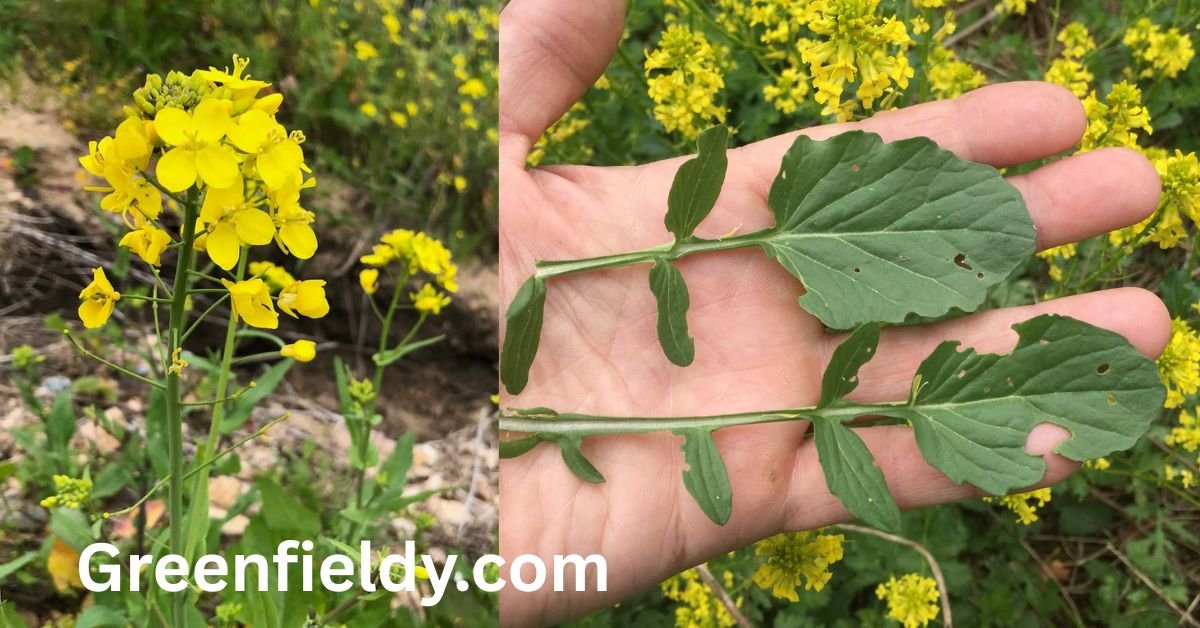
Wild mustard (commonly Sinapis arvensis) is a fast-growing plant belonging to the Brassicaceae family. It is widely found in open fields, roadsides, gardens, and disturbed soils.
Key Features of Wild Mustard:
- Flowers: Bright yellow with four petals arranged in a cross shape
- Leaves: Lobed, slightly hairy, and rough to the touch
- Stem: Upright and sometimes covered with fine hairs
- Smell: Mildly spicy or mustard-like when crushed
Wild mustard is edible, and its leaves, flowers, and seeds are commonly used in salads, cooked dishes, and even homemade mustard.
Why Understanding Wild Mustard Look Alikes Matters
Nature often creates plants that look very similar. Many wild mustard look alikes share the same habitat, height, and flower color. While some are harmless or edible, others can cause irritation or toxicity.
Misidentifying wild mustard look alikes can lead to:
- Digestive problems
- Allergic reactions
- Exposure to toxic compounds
This makes proper identification not just helpful—but essential.
Common Wild Mustard Look Alikes
Understanding the differences between wild mustard and its look alikes can significantly improve your foraging confidence.
1. Wild Radish (Raphanus raphanistrum)
One of the most common wild mustard look alikes.
Similarities:
- Similar height and branching
- Yellow or pale flowers
- Grows in the same environments
Differences:
- Flowers often have purple or white veins
- Leaves are more deeply lobed
- Taste is stronger and more peppery
Wild radish is edible but has a sharper flavor compared to wild mustard.
2. Charlock (Field Mustard)
Charlock is very closely related and often confused with wild mustard.
Similarities:
- Bright yellow flowers
- Same plant family
- Similar leaf structure
Differences:
- Leaves are smoother and less hairy
- Slightly different seed pods
Charlock is edible and considered one of the safer wild mustard look alikes.
3. Shepherd’s Purse (Capsella bursa-pastoris)
This plant can resemble young wild mustard during early growth stages.
Similarities:
- Grows in similar habitats
- Rosette leaf pattern when young
Differences:
- Small white flowers instead of yellow
- Distinct heart-shaped seed pods
Shepherd’s purse is edible and commonly used in traditional herbal remedies.
4. Garlic Mustard (Alliaria petiolata)
Another plant in the mustard family that can confuse beginners.
Similarities:
- Similar leaf structure in early growth
- Belongs to the same plant family
Differences:
- White flowers instead of yellow
- Leaves smell like garlic when crushed
Garlic mustard is edible and widely used in cooking.
5. Hedge Mustard (Sisymbrium officinale)
A less obvious but still notable look alike.
Similarities:
- Tall growth habit
- Yellow flowers
Differences:
- Flowers are smaller and less vibrant
- Leaves are narrower and less lobed
Hedge mustard is edible but not as commonly used.
6. Tansy Ragwort (Jacobaea vulgaris) – Toxic
This is one of the most important wild mustard look alikes to recognize and avoid.
Similarities:
- Yellow flowers
- Similar height
Differences:
- Flowers look like small daisies, not cross-shaped
- Leaves are deeply divided and fern-like
Warning: Tansy ragwort contains toxic compounds that can damage the liver if consumed.
Key Identification Tips
When identifying wild mustard look alikes, small details make a big difference.
Focus on These Clues:
- Flower shape: Four petals in a cross pattern (a key trait of the mustard family)
- Color consistency: Bright yellow without veins or patterns
- Leaf texture: Slightly rough and hairy
- Smell: Mild mustard or peppery scent when crushed
Always use multiple identification features rather than relying on a single trait.
Safe Foraging Practices
Foraging requires patience, discipline, and caution. Even experienced foragers double-check their findings.
Follow These Rules:
- Never eat a plant unless you are 100% certain of its identity
- Use multiple sources such as field guides or expert advice
- Avoid harvesting from polluted areas like roadsides or industrial zones
- Start with small amounts when trying a new plant
When it comes to wild mustard look alikes, caution is always better than risk.
Benefits of Wild Mustard
Once correctly identified, wild mustard offers impressive nutritional and culinary value.
Nutritional Benefits:
- Rich in vitamins A, C, and K
- Contains antioxidants
- Supports digestion
Culinary Uses:
- Fresh leaves in salads
- Cooked greens in soups and stir-fries
- Seeds used to make mustard
Wild mustard is both a nutritious and versatile addition to your diet.
FAQs
1. Are all wild mustard look alikes dangerous?
No, not all wild mustard look alikes are dangerous. Many, such as wild radish and charlock, are edible. However, some plants like tansy ragwort are toxic, which is why proper identification is essential before consuming any wild plant.
2. What is the easiest way to identify wild mustard?
The easiest way to identify wild mustard is by looking for bright yellow flowers with four petals arranged in a cross shape, along with slightly hairy, lobed leaves and a mild mustard-like smell when crushed.
3. Can beginners safely forage wild mustard?
Yes, beginners can forage wild mustard, but they must proceed carefully. Learning about wild mustard look alikes, using reliable field guides, and verifying identification with multiple sources is crucial for safety.
4. What is the most dangerous wild mustard look alike?
Tansy ragwort is one of the most dangerous wild mustard look alikes due to its toxic compounds, which can cause serious liver damage if consumed.
5. Is wild mustard edible in all stages of growth?
Wild mustard is generally edible at all stages, but younger leaves are more tender and better for raw consumption. Older leaves may become bitter and are best cooked.
6. Do wild mustard look alikes grow in the same areas?
Yes, most wild mustard look alikes grow in similar environments such as fields, roadsides, and disturbed soil. This overlap increases the chances of confusion, making identification skills even more important.
7. Can smell help identify wild mustard?
Yes, smell can be a helpful clue. Wild mustard leaves release a mild spicy or mustard-like scent when crushed. However, smell alone should not be relied upon—always confirm with other features.
8. Are there regional differences in wild mustard look alikes?
Yes, the types of wild mustard look alikes can vary depending on your region. Always research local plant species and consult region-specific guides for accurate identification.
Conclusion
Understanding wild mustard look alikes is a vital skill for anyone interested in foraging. While wild mustard itself is a valuable and nutritious plant, its resemblance to other species—both edible and toxic—makes careful identification essential.
By learning key characteristics such as flower shape, leaf texture, and plant structure, you can confidently distinguish wild mustard from its look alikes. More importantly, adopting safe foraging habits—like verifying plants with multiple sources and avoiding uncertain specimens—can protect you from unnecessary risks.
Wild foraging is a rewarding experience that connects you with nature in a meaningful way. However, it demands respect, knowledge, and attention to detail. The more you practice observing and identifying plants, the more confident and capable you will become.
The next time you encounter a patch of yellow flowers in the wild, take a closer look. With the right knowledge of wild mustard look alikes, you’ll know exactly what you’re seeing—and whether it belongs on your plate or should be left untouched.
About the Author