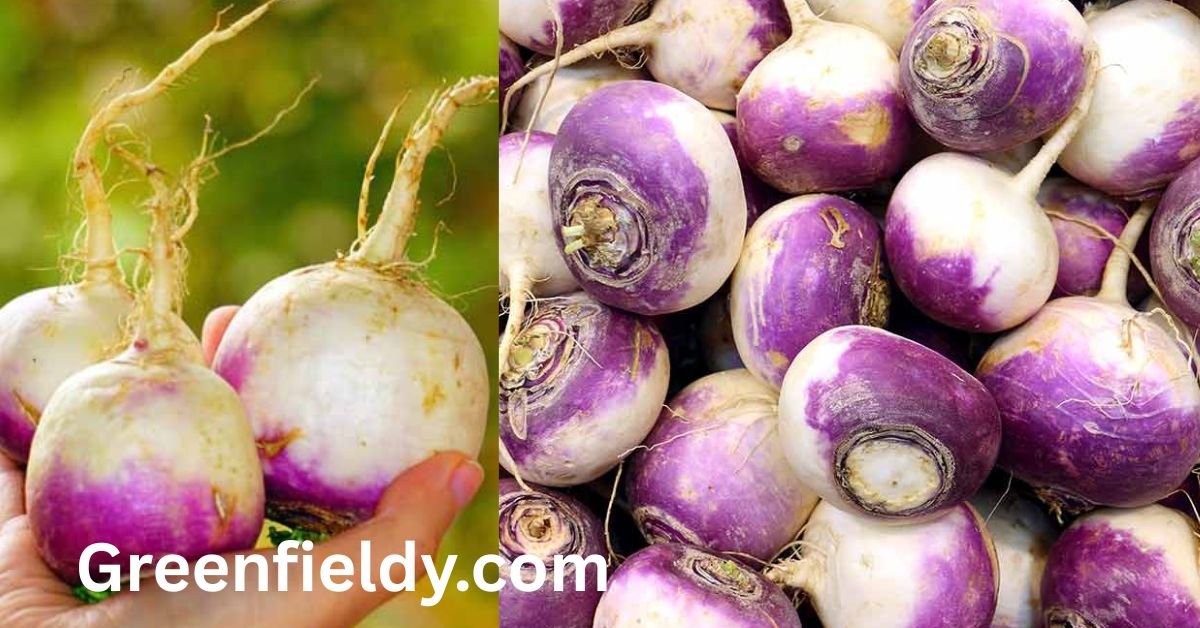
A turnip shortage refers to a situation where the supply of turnips in markets becomes insufficient to meet consumer demand. This can lead to rising prices, limited availability, and disruptions across food supply chains. While turnips are often considered a simple root vegetable, they play an important role in diets, agriculture systems, and even livestock feed in many regions. When shortages occur, the effects can be wider than expected.
This article explores what causes a turnip shortage, how it affects consumers and farmers, and what solutions can help stabilize supply in the future.
What is a Turnip Shortage?
A turnip shortage happens when production, distribution, or availability of turnips falls below normal consumption levels. This imbalance can be temporary or long-term depending on the underlying causes.
Turnips are grown in many parts of the world due to their adaptability to cool climates and relatively short growing cycle. Because they are often used in fresh cooking, stews, pickles, and livestock feed, any disruption in supply can quickly affect both food markets and agricultural operations.
Turnip Shortage 2026
Key Causes of Turnip Shortage
Several factors can contribute to a shortage. These are often interconnected rather than isolated.
1. Weather and Climate Conditions
Turnips grow best in cool, moist conditions. Extreme weather can reduce yields significantly.
- Drought reduces soil moisture, affecting root development
- Excess rainfall can lead to rot and fungal diseases
- Early frost can damage crops before harvest
Climate change has also increased unpredictability in growing seasons, making production less stable.
2. Reduced Agricultural Output
Farmers may plant fewer turnips due to:
- Low profit margins compared to other crops
- Rising costs of fertilizer and fuel
- Shift toward more profitable vegetables or cash crops
When fewer farmers grow turnips, supply naturally declines.
3. Pest and Disease Outbreaks
Turnips are vulnerable to pests like flea beetles and root maggots. Diseases such as downy mildew can also damage crops.
If outbreaks are widespread, entire harvests can be reduced or lost.
4. Supply Chain Disruptions
Even when production is stable, distribution issues can create shortages:
- Transportation delays
- Poor storage facilities
- Fuel shortages affecting logistics
- Trade restrictions or export limits
These factors can prevent turnips from reaching markets on time.
5. Increased Demand
Sometimes the shortage is driven by higher consumption:
- Seasonal demand spikes
- Increased use in food processing
- Growing popularity of healthy vegetables in diets
- Use as livestock feed during feed shortages
When demand rises faster than supply, shortages occur.
Impacts of Turnip Shortage
A shortage affects different groups in different ways.
1. Rising Prices for Consumers
The most immediate effect is price inflation. Consumers may find:
- Higher retail prices
- Smaller quantities available
- Reduced quality due to storage issues
For low-income households, this can limit access to affordable vegetables.
2. Financial Pressure on Farmers
Farmers may experience mixed outcomes:
- Those with stored stock may benefit from higher prices
- Others face losses due to reduced yield or crop failure
- Increased production costs reduce overall profitability
3. Impact on Food Industries
Restaurants, food processors, and markets that rely on consistent vegetable supply may struggle to maintain menus or production schedules.
4. Livestock Feed Challenges
In some regions, turnips are used as animal feed. A shortage can force farmers to switch to more expensive feed alternatives, increasing production costs for meat and dairy.
5. Market Instability
Uncertainty in supply creates volatility in vegetable markets, making it harder for businesses to plan pricing and inventory.
Regional Differences in Turnip Shortage
Turnip shortages do not affect all regions equally. Areas dependent on seasonal farming are more vulnerable.
- Temperate regions may experience shortages during harsh winters or unexpected frosts
- Agriculture-dependent economies feel shortages more strongly due to limited imports
- Urban markets often experience faster price increases due to transportation dependency
Local farming capacity plays a major role in determining how severe the shortage becomes.
Agricultural Factors Behind Long-Term Shortages
If shortages persist over multiple seasons, deeper agricultural issues may be responsible.
Soil Degradation
Continuous farming without proper soil management reduces fertility, lowering yields over time.
Lack of Crop Rotation
Farmers who do not rotate crops may experience declining productivity and higher pest activity.
Limited Access to Modern Farming Techniques
In some regions, outdated farming methods reduce efficiency and output compared to modern agricultural systems.
Water Scarcity
Irrigation challenges can limit consistent turnip production, especially in arid or semi-arid regions.
Economic Effects of Turnip Shortage
Beyond agriculture, shortages influence broader economic conditions.
- Inflation in vegetable markets
- Increased cost of living for households
- Pressure on government food supply policies
- Potential import dependency if domestic production fails
In countries where vegetables form a large part of daily diets, even small shortages can significantly affect household budgets.
Is There A Turnip Shortage
Possible Solutions to Turnip Shortage
Addressing shortages requires both short-term and long-term strategies.
1. Improved Farming Practices
- Use of disease-resistant seed varieties
- Better irrigation systems
- Crop rotation techniques
- Organic pest control methods
2. Government Support
- Subsidies for vegetable farming
- Investment in cold storage infrastructure
- Support for small-scale farmers
3. Supply Chain Improvements
- Better transportation networks
- Reduced post-harvest losses
- Efficient market distribution systems
4. Diversification of Crops
Encouraging farmers to grow multiple crops reduces dependency on a single vegetable and stabilizes supply.
5. Climate-Resilient Agriculture
Developing farming techniques that adapt to changing weather patterns can help reduce future shortages.
Future Outlook
The future of turnip supply depends heavily on how agriculture adapts to environmental and economic pressures. If climate change continues to affect growing conditions and farming costs remain high, shortages may become more frequent.
However, advancements in agricultural technology, improved seed varieties, and better supply chain management can significantly reduce risks. In many regions, awareness of food security is increasing, which may lead to stronger policies supporting vegetable production.
FAQs
1. What is the main reason for turnip shortage?
The most common reasons include poor weather conditions, pest outbreaks, reduced farming, and supply chain disruptions.
2. Are turnip shortages common?
They are usually seasonal or regional, but can become more serious during climate extremes or economic disruptions.
3. How does a turnip shortage affect prices?
When supply decreases and demand remains steady or increases, prices typically rise in local markets.
4. Can turnip shortages be prevented?
They can be reduced through better farming practices, improved storage systems, and government support for agriculture.
5. Do turnip shortages affect other vegetables?
Indirectly, yes. Consumers may switch to other vegetables, increasing demand and potentially raising their prices as well.
6. How long do turnip shortages last?
It depends on the cause. Weather-related shortages may last a season, while structural agricultural issues can last longer.
Conclusion
A turnip shortage is more than just a temporary lack of a vegetable in the market. It reflects deeper challenges in agriculture, climate conditions, supply chain systems, and economic pressures. While turnips may seem like a simple crop, their availability is tied to complex global and local factors.
Addressing shortages requires coordinated efforts between farmers, governments, and distribution networks. By improving farming methods, investing in infrastructure, and adapting to climate changes, it is possible to reduce the frequency and severity of such shortages in the future.
Ultimately, ensuring stable turnip supply is part of a larger goal: building a more resilient and secure food system for everyone.
About the Author