Introduction to Austrian Winter Peas
Austrian winter peas are a cool-season legume widely valued for their ability to improve soil health, provide nutritious forage, and support sustainable farming practices. These hardy peas thrive in colder climates where many crops struggle, making them a reliable choice for farmers and gardeners looking to maximize productivity during the winter months.
Unlike traditional spring peas, austrian winter peas are specifically bred to tolerate frost and continue growing in low temperatures. Their adaptability and multiple uses have made them increasingly popular in both small-scale gardens and large agricultural systems.
What Are Austrian Winter Peas?
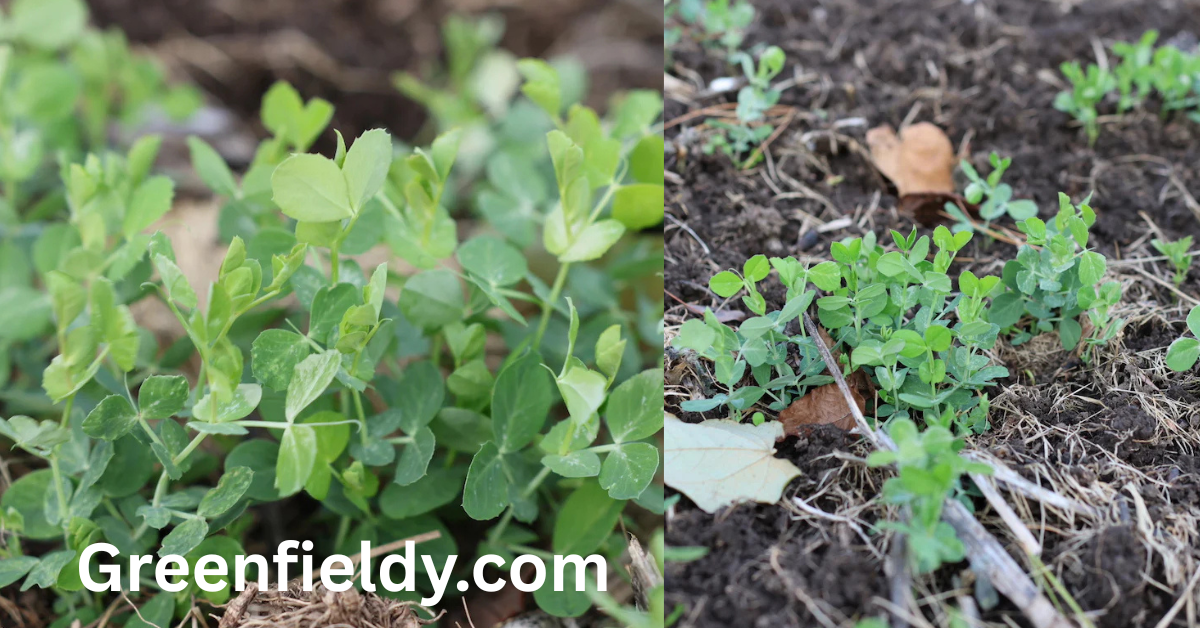
Austrian winter peas are a type of field pea (Pisum sativum subsp. arvense) grown primarily as a cover crop or forage crop. They are known for their rapid growth, nitrogen-fixing ability, and resilience in cool weather.
These peas typically feature:
- Purple or pink flowers
- Vining growth habit
- High biomass production
- Strong cold tolerance
Farmers often plant austrian winter peas to protect soil during the off-season while also enriching it for future crops.
Benefits of Austrian Winter Peas
The value of austrian winter peas goes far beyond simple crop production. They offer a wide range of agricultural and environmental benefits:
Soil Fertility Improvement
Austrian winter peas fix nitrogen from the atmosphere and convert it into a form plants can use. This reduces the need for synthetic fertilizers.
Erosion Control
Their dense growth helps hold soil in place, preventing erosion caused by wind and rain.
Weed Suppression
By forming a thick ground cover, austrian winter peas limit sunlight exposure to weeds, reducing their growth.
Livestock Forage
They provide high-protein forage for animals, making them ideal for grazing systems.
Biodiversity Support
Their flowers attract pollinators, contributing to a healthier ecosystem.
Ideal Growing Conditions
To get the best results from austrian winter peas, it is important to understand their preferred growing environment.
Climate
They thrive in cool climates and can tolerate frost. Mild winters are ideal, although they can survive moderate freezing temperatures.
Soil Type
Well-drained loamy soils are best. However, austrian winter peas can adapt to a variety of soil types as long as drainage is adequate.
Sunlight
Full sun is preferred, though they can tolerate partial shade.
Soil pH
A pH range of 6.0 to 7.5 is optimal for growth.
How to Plant Austrian Winter Peas
Planting austrian winter peas is straightforward, making them accessible even for beginners.
Planting Time
- Fall planting is most common
- Sow seeds 6–8 weeks before the first expected frost
Seeding Rate
- Broadcast: 60–90 lbs per acre
- Drill: 40–60 lbs per acre
Planting Depth
- 1 to 2 inches deep
Spacing
- 2 to 4 inches apart for optimal coverage
Proper planting ensures strong root development and maximum nitrogen fixation.
Care and Maintenance
Austrian winter peas require minimal maintenance, but a few practices can improve results.
Watering
They generally rely on natural rainfall. Supplemental watering is only needed during dry periods.
Fertilization
Since they fix their own nitrogen, additional nitrogen fertilizer is unnecessary. However, phosphorus and potassium may be beneficial if soil levels are low.
Pest Management
Common pests include aphids and pea weevils. Monitoring and early intervention help prevent damage.
Disease Control
Ensure proper air circulation and avoid overwatering to reduce the risk of fungal diseases.
Austrian Winter Peas as a Cover Crop
One of the most important uses of austrian peas is as a cover crop.
Soil Enrichment
They add organic matter and improve soil structure when incorporated into the soil.
Nitrogen Contribution
They can supply up to 70–150 lbs of nitrogen per acre, benefiting subsequent crops.
Companion Planting
They are often mixed with grains like rye or oats to enhance biomass and provide structural support for climbing vines.
Harvesting and Usage
The harvesting method depends on the intended use of austrian winter peas.
For Forage
- Harvest or graze when plants are lush and green
- Typically before flowering for maximum nutrition
For Green Manure
- Cut and incorporate into soil before full maturity
For Seed
- Allow pods to fully mature and dry before harvesting
Their versatility makes them suitable for multiple agricultural purposes.
Common Challenges and Solutions
While austrian peas are relatively easy to grow, some challenges may arise.
Winter Kill
In extremely harsh winters, plants may not survive.
Solution: Plant early to establish strong roots before freezing temperatures.
Poor Germination
This can occur in compacted or poorly drained soil.
Solution: Improve soil structure and ensure proper planting depth.
Pest Damage
Insects may feed on leaves and pods.
Solution: Use integrated pest management techniques.
Lodging
Plants may fall over due to their vining nature.
Solution: Mix with support crops like cereals.
Faqs
1. What are austrian winter peas used for?
Austrian winter peas are mainly used as a cover crop, livestock forage, and for improving soil fertility through natural nitrogen fixation.
2. When should austrian peas be planted?
They are best planted in the fall, about 6–8 weeks before the first frost, so they can establish strong roots before winter.
3. Can austrian winter peas survive cold weather?
Yes, austrian winter peas are highly cold-tolerant and can survive moderate freezing temperatures, though extreme cold may affect them.
4. Do austrian peas need fertilizer?
They usually do not require nitrogen fertilizer because they produce their own, but phosphorus and potassium may be added if needed.
5. Are austrian winter peas good for soil health?
Yes, they significantly improve soil by adding nitrogen, increasing organic matter, reducing erosion, and suppressing weeds.
Conclusion
Austrian winter peas are a powerful addition to any sustainable farming or gardening system. Their ability to fix nitrogen, protect soil, and provide high-quality forage makes them a multifunctional crop with long-term benefits.
Whether used as a cover crop, forage source, or soil enhancer, austrian winter peas offer a natural and efficient way to improve productivity while reducing reliance on chemical inputs. By understanding their growing requirements and proper management techniques, farmers and gardeners can unlock their full potential and build healthier, more resilient soil systems.
About the Author