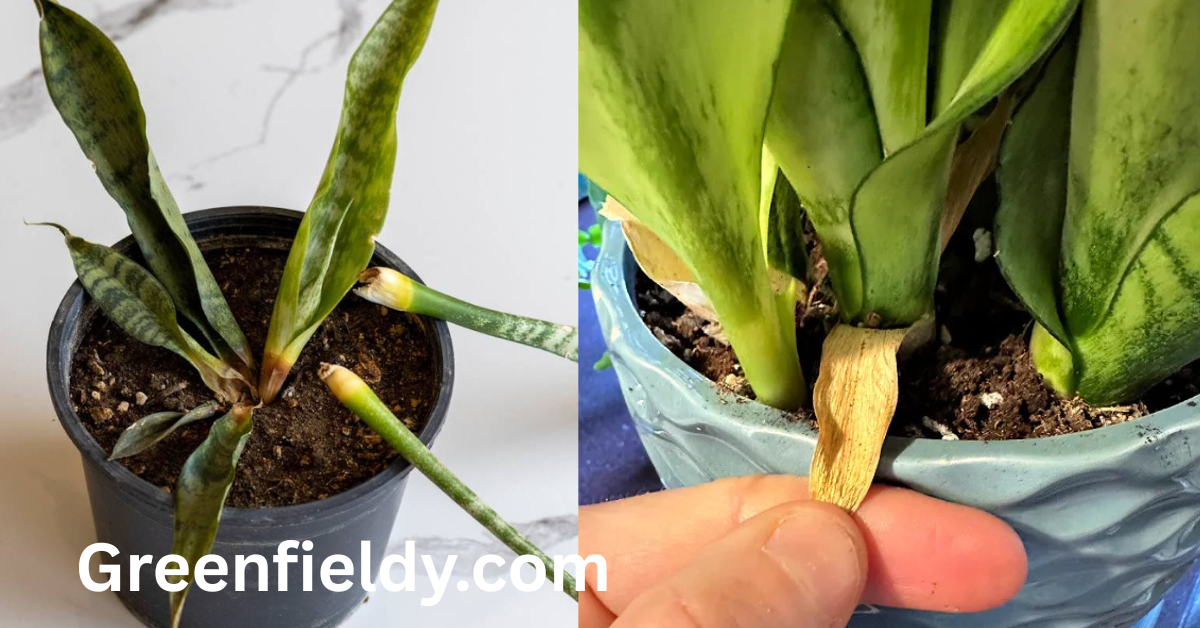
Snake plant yellow leaves are one of the most common problems plant owners face. While snake plants are famous for surviving neglect, yellowing leaves usually signal that something in the plant’s environment is out of balance. Overwatering, poor drainage, lighting stress, pests, or sudden temperature changes can all cause a healthy snake plant to lose its deep green color.
The good news? In most cases, yellow snake plant leaves can be fixed before the damage spreads. Once you identify the cause, your plant can often recover quickly with a few simple adjustments.
Why Are My Snake Plant Leaves Turning Yellow?
If your snake plant leaves are turning yellow, the most likely cause is overwatering. Snake plants store water inside their thick leaves, so they do not need frequent watering. When the soil stays wet for too long, the roots struggle to absorb oxygen and nutrients, causing the leaves to yellow.
However, watering is not the only reason. Problems with sunlight, drainage, pests, root rot, fertilizer, and temperature can also stress the plant and lead to discoloration.
Most Common Causes of Snake Plant Yellow Leaves
Overwatering
Overwatering is the number one reason snake plant yellow leaves appear. Snake plants are drought-tolerant succulents that prefer dry conditions. Constantly wet soil suffocates the roots and may eventually lead to root rot.
Signs of overwatering include:
- Yellow leaves
- Mushy stems
- Soft or drooping foliage
- Wet soil that stays damp for days
- Foul smell from the pot
If the leaves feel soft instead of dry, excess moisture is usually the problem.
Poor Drainage
Even if you water correctly, poor drainage can trap moisture around the roots. Snake plants need fast-draining soil and pots with drainage holes.
Heavy garden soil or decorative pots without drainage can slowly damage the root system. Water becomes trapped at the bottom of the container, creating the perfect environment for fungal growth and root rot.
To improve drainage:
- Use cactus or succulent potting mix
- Choose a pot with drainage holes
- Add perlite or pumice to the soil
- Empty saucers after watering
Too Much Direct Sunlight
Snake plants enjoy bright light, but harsh afternoon sun can scorch the leaves. Excessive direct sunlight may cause pale yellow patches, brown edges, or bleached-looking foliage.
This often happens when indoor plants are suddenly moved outside or placed directly beside a hot south-facing window.
The best lighting for snake plants is:
- Bright indirect light
- Filtered sunlight
- Gentle morning sun
Underwatering
Although snake plants tolerate dry conditions, severe underwatering can still cause stress. If the plant goes too long without water, the leaves may wrinkle, curl, dry out, and eventually turn yellow.
An underwatered snake plant usually has:
- Thin or shriveled leaves
- Crispy edges
- Dry compact soil
- Slow growth
Water deeply when the soil becomes fully dry instead of giving the plant tiny amounts frequently.
Root Rot
Root rot is a serious condition caused by excessive moisture around the roots. It usually begins silently below the soil before the leaves start changing color.
Common symptoms include:
- Yellowing leaves
- Black or mushy roots
- Rotting smell
- Collapsing leaves
- Soft plant base
If you suspect root rot:
- Remove the plant from the pot
- Cut away black mushy roots
- Let the roots dry for several hours
- Repot in fresh well-draining soil
Catching root rot early can save the plant.
Temperature Stress
Snake plants prefer stable indoor temperatures. Sudden cold drafts, air conditioners, heaters, or freezing temperatures can shock the plant and trigger yellow leaves.
Snake plants grow best between 60°F and 85°F. Temperatures below 50°F can damage the foliage quickly.
Avoid placing your plant:
- Near air vents
- Beside drafty windows
- Close to heaters
- Outdoors during cold nights
Pests
Pests such as spider mites, mealybugs, aphids, and scale insects feed on plant sap and weaken the leaves. Over time, damaged leaves may become spotted, faded, or yellow.
Check for:
- Tiny webbing
- Sticky residue
- White cotton-like insects
- Small brown bumps on leaves
Treat infestations using:
- Neem oil
- Insecticidal soap
- Rubbing alcohol on cotton swabs
Keeping the leaves clean also helps prevent future pest problems.
Nutrient Deficiency
Snake plants are light feeders, but they still need nutrients occasionally. Old exhausted soil may lack the minerals required for healthy green growth.
A nutrient-deficient snake plant may develop:
- Pale yellow leaves
- Weak growth
- Smaller leaves
- Faded color
Feed the plant with a balanced houseplant fertilizer during spring and summer. Avoid excessive fertilizing because too much fertilizer can also damage the roots.
Natural Aging
Sometimes a yellow leaf is completely normal. Older leaves naturally die as the plant grows new foliage.
If only one lower leaf turns yellow while the rest of the plant looks healthy, there is usually no reason to worry. Simply trim the aging leaf near the base with clean scissors.
How to Fix Yellow Leaves on a Snake Plant
Once a snake plant leaf turns yellow, it usually will not turn green again. The goal is to stop the problem from spreading to healthy leaves.
Here’s how to fix the issue:
Step 1: Check Soil Moisture
Insert your finger 2 inches into the soil. If it still feels wet, wait before watering again.
Step 2: Inspect the Roots
Remove the plant from the pot and check for black, mushy, or foul-smelling roots.
Step 3: Improve Drainage
Repot the plant into fresh succulent soil if the current mix holds too much moisture.
Step 4: Adjust Light Exposure
Move the plant to bright indirect light if it receives harsh afternoon sun or sits in a dark corner.
Step 5: Remove Damaged Leaves
Cut yellow leaves near the base using sanitized scissors or pruning shears.
Step 6: Monitor Watering Habits
Only water when the soil becomes fully dry.
Signs Your Snake Plant Is Overwatered
Many people confuse underwatering and overwatering because both can cause discoloration. However, an overwatered snake plant usually shows these signs:
- Soft yellow leaves
- Mushy stems
- Wet heavy soil
- Root rot smell
- Falling or collapsing foliage
If the leaves feel soft and swollen instead of dry and crispy, too much water is usually the issue.
How to Prevent Snake Plant Leaves From Turning Yellow
Prevention is much easier than saving a severely damaged plant. Proper care keeps snake plants healthy for years.
Follow these simple care tips:
- Use well-draining soil
- Water only when soil dries completely
- Provide bright indirect sunlight
- Keep temperatures stable
- Avoid overfertilizing
- Inspect regularly for pests
- Use pots with drainage holes
Snake plants thrive when left alone more often than not. Too much attention is sometimes their biggest enemy.
Snake Plant Turning Yellow At Top
Snake plant turning yellow at the top is usually caused by too much direct sunlight, inconsistent watering, or temperature stress. The leaf tips and upper sections are most exposed to heat and sunlight, so they often show damage first. If the yellow area feels soft, overwatering may be the problem. If it looks dry or faded, sunburn is more likely. Move the plant to bright indirect light, check that the soil drains properly, and water only when the soil becomes completely dry. Trim badly damaged leaves if needed. With proper care, healthy new growth should appear while preventing more yellowing at the top of the plant.
Should You Cut Off Yellow Snake Plant Leaves?
Yes, yellow leaves should be removed. They will not recover, and keeping them attached forces the plant to waste energy.
Use clean sharp scissors to cut the leaf at the soil line. Removing damaged foliage also improves airflow and helps the plant focus on healthy new growth.
Best Soil for Snake Plants
The best soil for snake plants is a loose, fast-draining mix designed for succulents or cacti.
A good mix may include:
- Cactus potting soil
- Perlite
- Sand
- Pumice
Dense moisture-retaining soil is one of the fastest ways to trigger yellow leaves and root problems.
Can Yellow Snake Plant Leaves Turn Green Again?
Unfortunately, yellow leaves usually do not turn green again. Once chlorophyll disappears from the leaf tissue, the damage is permanent.
However, fixing the underlying problem can stop additional leaves from turning yellow and encourage healthy new growth.
FAQs
Why is only one snake plant leaf turning yellow?
One yellow leaf is often normal aging, especially if the rest of the plant looks healthy. Simply trim it off near the base.
How often should I water a snake plant?
Water only when the soil becomes fully dry. Most snake plants need water every 2 to 4 weeks depending on temperature, humidity, and lighting.
Can low light cause snake plant yellow leaves?
Yes, extremely low light can weaken snake plants over time and contribute to yellowing leaves. Bright indirect light is ideal.
Do yellow leaves mean root rot?
Not always, but root rot is a common cause. Check the roots if the leaves feel soft or the soil smells bad.
Should I mist my snake plant?
No. Snake plants prefer dry conditions and do not need misting. Excess moisture around the leaves may encourage fungal problems.
Conclusion
Snake plant yellow leaves are usually a warning sign that your plant’s care routine needs adjustment. Overwatering, poor drainage, root rot, lighting stress, and pests are the most common causes. Fortunately, snake plants are resilient and can often recover once the problem is identified early.
The key is balance. Give your snake plant bright indirect light, well-draining soil, and water only when the soil is dry. With proper care, your plant can return to producing strong upright green leaves instead of yellow ones.
About the Author