Garden Salsa Pepper: Complete Growing & Care Guide
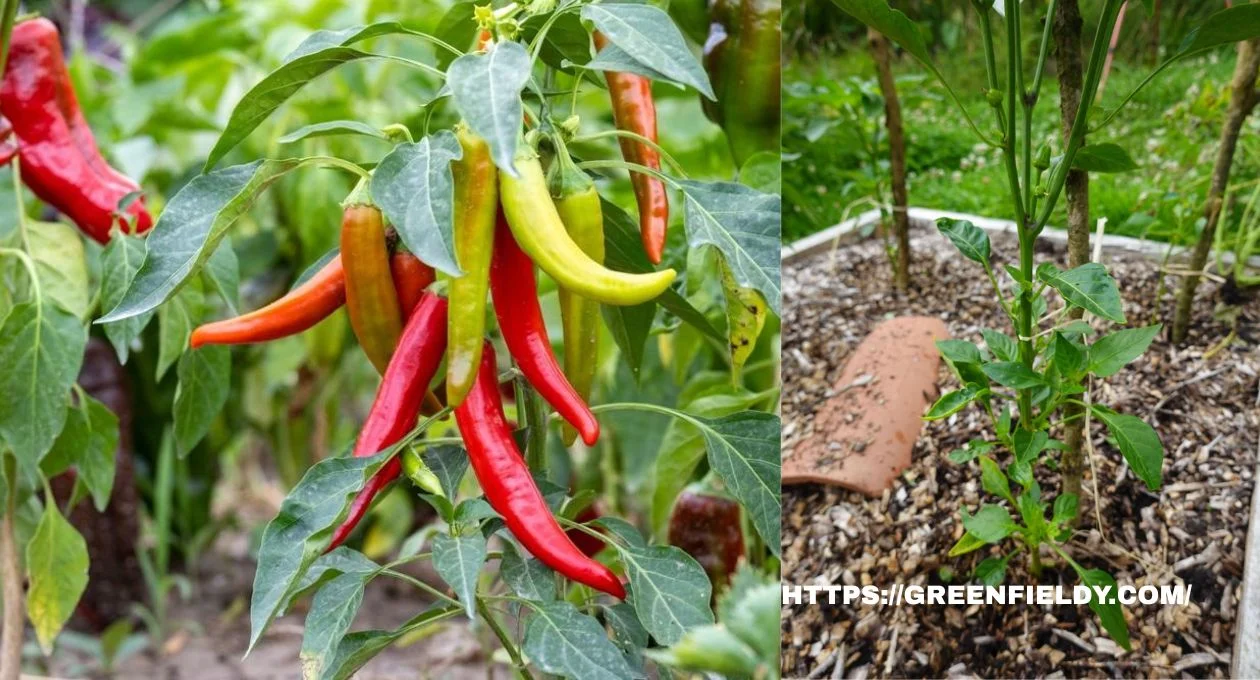
The Garden Salsa Pepper is a strong choice for home gardeners who want a productive chilli plant with steady heat, good flavour, and easy care. It grows well in garden beds, raised beds, greenhouses, and large containers when it gets enough sun, warmth, and regular watering.
This hybrid pepper is best known for its long green fruits that turn red when fully ripe. Many growers use it for fresh salsa, sauces, tacos, grilled dishes, and everyday cooking. Seed suppliers commonly list Garden Salsa peppers at around 3,000 Scoville Heat Units, although some list a wider range of about 1,000–5,000 SHU.
Table of Contents
ToggleGarden Salsa Pepper Quick Info
| Feature | Details |
|---|---|
| Plant name | Garden Salsa Pepper |
| Plant type | F1 hybrid chilli pepper |
| Heat level | Medium |
| Scoville rating | Often around 3,000 SHU; some sources list 1,000–5,000 SHU |
| Fruit size | Usually 8–9 inches long |
| Days to maturity | About 73 days from transplant |
| Sun needs | Full sun |
| Best growing style | Ground, raised beds, greenhouses, or containers |
| Best uses | Salsa, sauces, cooking, grilling, and pickling |
What Is a Garden Salsa Pepper?
The Garden Salsa Pepper is a hybrid hot pepper bred for gardeners who want a salsa-friendly chilli with useful heat and strong yields. Its fruits are long, smooth, and usually harvested green, but they turn red when fully mature.
It is hotter than many mild sweet peppers but usually easier to handle than serrano or very hot chilli varieties. That makes it a good middle-ground pepper for families, beginner growers, and home cooks who want flavour without extreme heat.
A healthy plant can set heavy loads of fruit through the season when grown in warm weather, full sun, and well-drained soil. Garden Salsa is often chosen for fresh salsa because the peppers have enough bite to stand out without overpowering the recipe.
Garden Salsa Pepper Scoville Heat Level
Garden Salsa peppers are usually classed as medium-heat peppers. Several seed suppliers list the variety near 3,000 SHU, while others give a broader range of 1,000–5,000 SHU.
Heat can vary because pepper sharpness depends on genetics, weather, watering, ripeness, and growing stress. Dry or hot conditions may make peppers taste stronger.
| Pepper | General Heat Level |
|---|---|
| Banana pepper | Mild |
| Garden Salsa Pepper | Medium |
| Jalapeño | Medium to hot |
| Serrano | Hot |
This level of heat works well for homemade salsa, pasta sauces, grilled vegetables, chilli, tacos, and stuffed pepper recipes.
How to Grow Garden Salsa Pepper Plants
Garden Salsa peppers are not difficult to grow, but they need the right basics. Give them warmth, sun, good soil, and steady moisture.
Start plants indoors before the growing season or buy healthy transplants from a nursery. Move them outside only after frost risk has passed and night temperatures are warm enough for peppers.

Space plants well so air can move around the leaves. Good airflow helps reduce disease pressure and keeps the plant healthier during humid weather.
Best Soil for Garden Salsa Peppers
Garden Salsa peppers grow best in rich, loose, well-drained soil. Heavy, soggy soil can slow root growth and increase the risk of disease.
Before planting, mix compost into the soil. This improves drainage, adds organic matter, and supports steady growth.
A slightly acidic to neutral soil works well for most pepper plants. If your garden soil is poor, use a raised bed or large container with quality vegetable potting mix.
Sunlight Requirements
Garden Salsa peppers need full sun. Aim for at least 6–8 hours of direct sunlight each day.
Plants grown in weak light may become tall, thin, and less productive. They may also flower poorly or drop flowers before fruit forms.
For container plants, place the pot in the sunniest part of your patio, balcony, or garden.
Watering Schedule
Keep the soil evenly moist, but not wet. Deep watering two or three times per week is often enough in warm weather, but container plants may need water more often.
Avoid letting the soil swing from very dry to very wet. Inconsistent watering can lead to stress and lower yields.
Common signs of poor watering include:
- Curling leaves
- Yellow leaves
- Blossom drop
- Small or misshapen peppers
Water at the base of the plant where possible. This keeps the leaves drier and helps reduce disease problems.
Temperature Needs
Garden Salsa peppers grow best in warm conditions. They perform well when daytime temperatures are mild to hot and nights stay warm.
Cold nights can slow growth. Frost can damage or kill pepper plants.
Do not rush transplanting outdoors in early spring. Wait until the soil has warmed and the weather is settled.
Best Fertilizer for Garden Salsa Peppers
Garden Salsa peppers benefit from steady feeding, but they do not need heavy nitrogen all season.
Good options include:
- Compost
- Fish emulsion
- Balanced vegetable fertilizer
- Calcium-rich amendments
- Fertilizer with more phosphorus and potassium during fruiting
Too much nitrogen can create a large leafy plant with fewer peppers. UF Seeds also notes that excess nitrogen often gives a bushy green plant but less fruit.
Feed lightly and consistently. Follow the label on any fertilizer you use.
Growing Garden Salsa Peppers in Containers
Garden Salsa peppers grow well in containers if the pot is large enough. A 5-gallon container is a good minimum size for one plant.
Use a pot with strong drainage holes. Peppers dislike sitting in waterlogged soil.
For best results:
- Use quality potting mix
- Choose a sunny location
- Water more often in hot weather
- Add support if the plant becomes heavy with fruit
- Feed lightly during the growing season
Container growing is useful for patios, balconies, small gardens, and rented homes where digging garden beds is not possible.
Common Garden Salsa Pepper Problems
Even strong pepper plants can face problems. Most issues come from watering stress, heat, poor drainage, pests, or nutrient imbalance.
Yellow Leaves
Yellow leaves are often linked to overwatering, poor drainage, or nutrient deficiency.
Check the soil first. If it feels wet for long periods, reduce watering and improve drainage.
Curling Leaves
Curling leaves may happen because of heat stress, underwatering, pests, or wind damage.
Look under the leaves for insects. Aphids, mites, and whiteflies often hide there.
Blossom Drop
Blossom drop happens when flowers fall before fruit forms. This can be caused by heat, cold nights, dry soil, irregular watering, or too much fertilizer.
Keep watering steady and avoid overfeeding with nitrogen.
Common Pests
Watch for:
- Aphids
- Spider mites
- Whiteflies
Good airflow, regular inspection, and quick action can prevent small pest problems from spreading. Neem oil or insecticidal soap may help, but always follow the product label.
When to Harvest Garden Salsa Peppers
Garden Salsa peppers are usually ready around 73 days from transplant, depending on your climate and growing conditions. Jung Seed lists the variety at 73 days and describes the fruits as smooth green peppers that turn red at full maturity.
You can harvest them green for a brighter, milder flavour. Leave them on the plant until red if you want a sweeter and slightly stronger taste.
Most fruits reach about 8–9 inches long. Harvest often to encourage the plant to keep producing.
Use clean scissors or pruners when picking peppers. Pulling by hand can damage the branches.
Best Companion Plants for Garden Salsa Pepper
Companion planting can help save space and support a healthier garden. Garden Salsa peppers can grow near many common herbs, flowers, and vegetables.
Good companion plants include:
- Basil
- Onions
- Tomatoes
- Marigolds
- Carrots
Avoid planting peppers too close to fennel. Fennel can compete with nearby vegetables and may reduce growth.
Garden Salsa Pepper vs Jalapeño
Garden Salsa peppers and jalapeños can both work well in salsa, but they are not the same.
| Feature | Garden Salsa Pepper | Jalapeño |
|---|---|---|
| Shape | Long and slender | Shorter and thicker |
| Heat | Medium | Medium to hot |
| Fruit size | Often 8–9 inches | Usually smaller |
| Flavour | Bright, chilli-like, salsa-friendly | Earthy and classic |
| Best use | Salsa, sauces, grilling | General cooking, stuffing, pickling |
| Yield | Often heavy | Moderate to heavy |
Garden Salsa is a good option if you want longer fruits, strong production, and a pepper made with salsa in mind. Jalapeño is still better if you want the classic thick-walled chilli used in nachos, poppers, and pickles.
FAQs
Are Garden Salsa peppers hot?
Garden Salsa peppers are moderately hot. They are usually listed around 3,000 SHU, although some sources give a wider range of 1,000–5,000 SHU. This makes them spicy enough for salsa but not extreme.
Can Garden Salsa peppers grow in pots?
Yes. Garden Salsa peppers grow well in containers if the pot is at least 5 gallons, has drainage holes, and gets full sun.
How long do Garden Salsa peppers take to mature?
Most Garden Salsa peppers mature in about 73 days from transplant. Some gardeners may see small timing differences based on weather, soil, and plant health.
Why are my pepper leaves turning yellow?
Yellow leaves often come from overwatering, poor drainage, or a lack of nutrients. Check soil moisture first before adding fertilizer.
How often should I water Garden Salsa peppers?
Water deeply when the top layer of soil begins to dry. In hot weather, garden plants may need deep watering two or three times weekly, while container plants may need water more often.
Final Thoughts
The Garden Salsa Pepper is a practical, high-yield pepper for home gardens. It has enough heat for salsa and cooking, but it stays manageable for most people.
Grow it in full sun, use well-drained soil, water consistently, and harvest often. With simple care, one healthy plant can give you plenty of long green and red peppers through the growing season.
When to Harvest Mullein Timing, Quality, and Maximum Benefits
About the Author