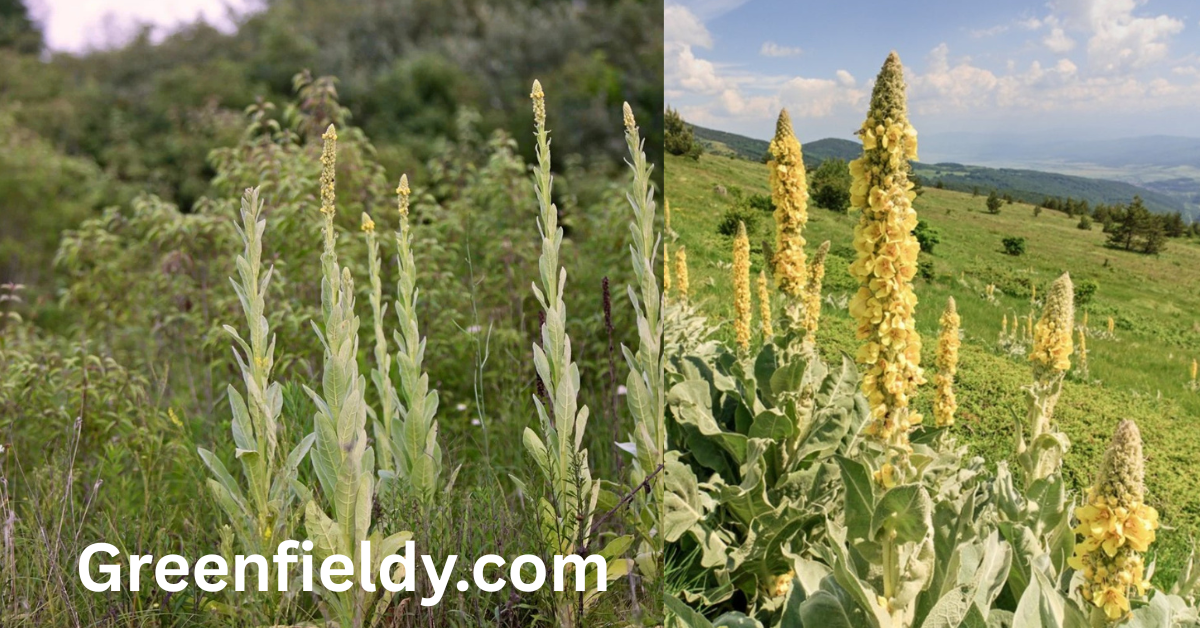
Mullein stands like a quiet sentinel in wild fields, tall, soft-leaved, and crowned with golden flowers. But harvesting it at the wrong moment is like picking fruit before it ripens—you lose its full potential. Understanding When to harvest mullein is the key to unlocking its medicinal strength, flavor, and usability.
This guide walks you through everything you need to know, from seasonal timing to plant maturity, ensuring you harvest mullein at its peak.
Understanding Mullein and Its Growth Cycle
Before diving into When to harvest mullein, it’s important to understand the plant’s lifecycle. Mullein is a biennial plant, meaning it grows over two years.
- First year: It forms a low rosette of soft, velvety leaves.
- Second year: A tall flowering stalk emerges, producing yellow flowers.
Each stage offers different harvesting opportunities. Knowing this cycle helps you decide exactly when to collect leaves, flowers, or roots.
Why Timing Matters When Harvesting Mullein
Harvesting mullein at the right time directly affects its quality. The plant’s medicinal compounds—especially those used in herbal remedies—are strongest at specific stages.
If you harvest too early, the plant may not have developed its full potency. Too late, and the leaves may become tough or the flowers may lose their vibrancy.
That’s why mastering When to harvest mullein ensures:
- Higher medicinal value
- Better taste for teas
- Longer shelf life
When to Harvest Mullein Leaves
Leaves are one of the most commonly used parts of the plant. The best time to harvest them is during the first year of growth.
Ideal timing:
- Late spring to early summer
- Before the flower stalk appears
At this stage, the leaves are:
- Soft and thick
- Rich in beneficial compounds
- Less bitter
Pick leaves in the morning after the dew has dried. Avoid damaged or yellowing leaves.
When to Harvest Mullein Flowers
If you’re focusing on flowers, timing becomes more precise. Mullein flowers bloom gradually along the stalk.
Best time for harvesting flowers:
- Mid to late summer
- When flowers are fully open
Each flower lasts only a day, so daily harvesting is often needed.
This is one of the most important answers to When to harvest mullein, because flowers are delicate and lose potency quickly if not picked fresh.
When to Harvest Mullein Roots
Roots are typically harvested in the first year or early second year before the plant fully flowers.
Ideal root harvesting time:
- Late fall of the first year
- Early spring of the second year
At this stage, the plant’s energy is stored in the roots rather than the stalk or flowers, making them more potent.
Signs That Mullein Is Ready to Harvest
Instead of relying only on dates, observe the plant itself.
Key signs include:
- Leaves are large, soft, and vibrant green
- Flowers are bright yellow and freshly opened
- Roots are thick and well-developed
Understanding these natural signals makes mastering When to harvest mullein much easier and more accurate.
Best Time of Day to Harvest Mullein
Timing doesn’t stop at seasons—it also includes the time of day.
Best harvesting window:
- Morning, after dew dries
- Before intense afternoon heat
This helps preserve the plant’s natural oils and prevents moisture-related spoilage.
Avoid harvesting during rain or high humidity, as this can lead to mold during drying.
How to Harvest Mullein Properly
Knowing When to harvest mullein is only half the equation—how you harvest matters too.
Tips for proper harvesting:
- Use clean scissors or pruning shears
- Cut leaves without damaging the plant base
- Gently pluck flowers to avoid bruising
- Dig roots carefully to keep them intact
Always leave some parts of the plant behind to allow natural regrowth and seed production.
What to Do After Harvesting Mullein
Once you’ve figured out When to harvest mullein, proper handling ensures you don’t waste your effort.
Drying process:
- Spread leaves and flowers in a single layer
- Keep them in a warm, dry, shaded area
- Avoid direct sunlight to preserve color and nutrients
Storage:
- Use airtight containers
- Keep in a cool, dark place
Proper drying and storage can keep mullein usable for up to a year.
Common Mistakes to Avoid When Harvesting Mullein
Even with good timing, mistakes can reduce quality.
Avoid these common errors:
- Harvesting wet plants (leads to mold)
- Picking overly mature or damaged leaves
- Ignoring the plant’s growth stage
- Waiting too long to collect flowers
Understanding these pitfalls strengthens your knowledge of When to harvest mullein and ensures better results.
FAQs About When to Harvest Mullein
1. When to harvest mullein for the best medicinal use?
The best time depends on the plant part. Leaves should be harvested in the first year during late spring or early summer. Flowers should be picked in mid to late summer when fully open, and roots are best collected in late fall of the first year or early spring of the second year.
2. Can I harvest mullein leaves in the second year?
Yes, but it’s not ideal. Second-year leaves tend to be tougher and less potent because the plant focuses its energy on producing flowers. For best results, harvest leaves in the first year.
3. How often can I pick mullein flowers?
Mullein flowers bloom daily along the stalk, so you can harvest them every day during the flowering season. Freshly opened flowers provide the highest quality and potency.
4. What happens if I harvest mullein too late?
If harvested too late, leaves may become dry and bitter, flowers may wilt quickly, and roots may lose some of their stored nutrients. Timing is important to maintain quality and effectiveness.
5. Is it okay to harvest mullein after it rains?
It’s better to wait until the plant is completely dry. Harvesting wet mullein can lead to mold during the drying process and reduce its shelf life.
Conclusion
Harvesting mullein is both a science and an art. The plant doesn’t follow a rigid schedule—it responds to seasons, environment, and growth stages. By learning When to harvest mullein, you align yourself with its natural rhythm.
Leaves are best in the first year, flowers during peak bloom, and roots before flowering begins. Add proper timing, careful harvesting, and good storage practices, and you’ll have high-quality mullein ready for use.
In the end, harvesting mullein isn’t just about collecting a plant—it’s about capturing it at its most powerful moment.
Mullein Look Alikes Plants You Might Confuse Easily
About the Author