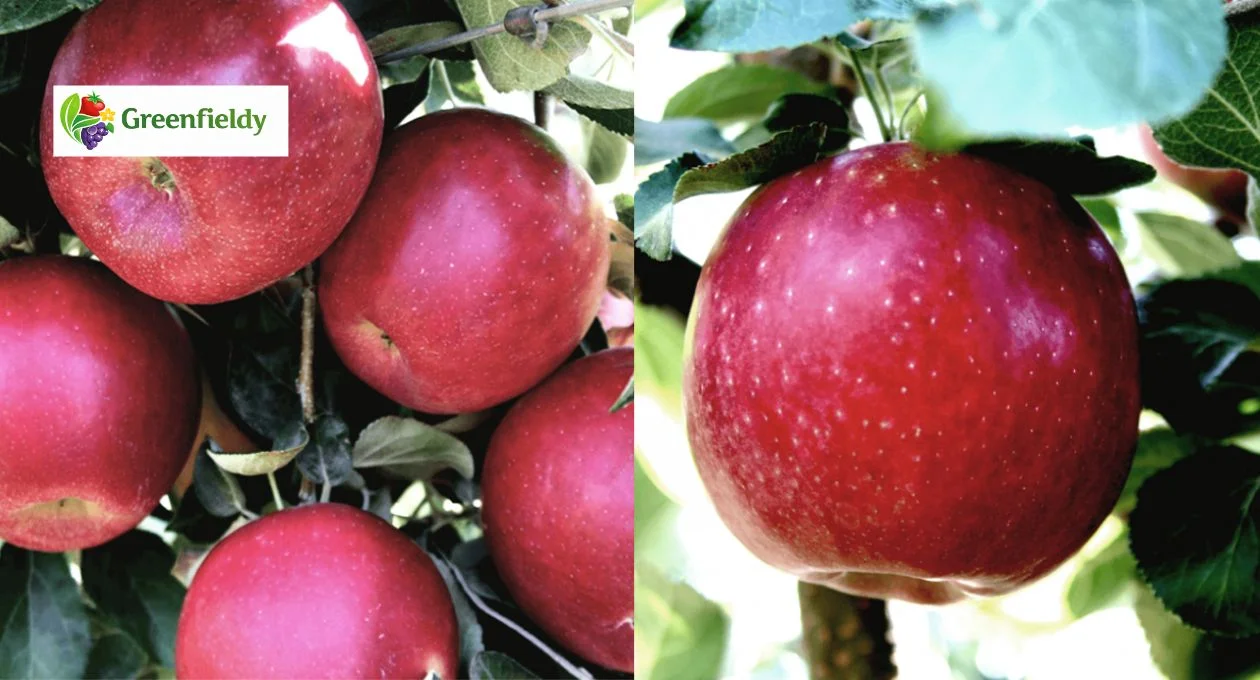
Cosmic Crisp conflict became one of the most interesting apple industry disputes because it was not just about fruit. It involved Washington State University, a startup called Phytelligence, plant patents, licensing rights, growers, commercialization, and millions of trees tied to a major retail launch. At the center was WA 38, the apple variety marketed as Cosmic Crisp, a cross between Enterprise and Honeycrisp developed through WSU’s breeding program. The dispute showed how valuable modern agriculture innovation can become when science, business, intellectual property, and market timing collide.
What Was the Cosmic Crisp Conflict?
The Cosmic Crisp conflict was a legal dispute between Washington State University and Phytelligence, a company that spun out of WSU-related research. The disagreement focused on whether Phytelligence had the right to commercially propagate and sell WA 38 trees, the apple variety sold under the Cosmic Crisp brand.
WSU argued that Phytelligence could grow WA 38 trees under a propagation agreement but could not sell or transfer those trees without a separate commercial license. Phytelligence argued that its agreement gave it a path to obtain commercial rights and that WSU or its agents had blocked that process. The competitor article also highlighted WSU’s allegation that Phytelligence improperly sold 135,000 Cosmic Crisp trees to a grower, which Phytelligence denied.
This made the story bigger than a contract disagreement. It became a case study in how university inventions move into the commercial market.
Quick Facts About the Cosmic Crisp Apple
| Item | Details |
|---|---|
| Variety name | WA 38 |
| Brand name | Cosmic Crisp® |
| Parent apples | Enterprise × Honeycrisp |
| Developed by | Washington State University apple breeding program |
| Initial cross | 1997 |
| Commercial release | 2019 |
| Main issue in dispute | Propagation, licensing, and commercial sale rights |
WA 38 was patented by Washington State University and marketed under the Cosmic Crisp brand. WSU’s Tree Fruit program describes WA 38 as the result of a 1997 cross between Enterprise and Honeycrisp.
Why Did Cosmic Crisp Matter So Much?
Cosmic Crisp mattered because it was not an ordinary apple launch. It was designed to be a large-scale commercial variety with strong consumer appeal and grower value. The apple was promoted for its crisp texture, juiciness, firmness, and storage potential.
The stakes were high because Washington growers had invested heavily in the variety. The competitor article reported that Washington farmers ordered 12 million Cosmic Crisp trees before the first grocery deliveries planned for 2019. It also described the launch as one of the biggest apple launches in history.
That is why the legal fight mattered. A dispute over who could sell trees was also a dispute over access to a potentially valuable commercial crop.
Timeline of the Cosmic Crisp Conflict
| Year / Date | Event |
|---|---|
| 1997 | WSU’s apple breeding program crossed Enterprise and Honeycrisp to create WA 38. |
| 2012 | WSU and Phytelligence entered into an agreement related to propagation of WA 38 trees. |
| 2016 | WSU later alleged Phytelligence sold WA 38 trees to a third party without proper authorization. |
| Jan. 16, 2018 | WSU terminated the propagation agreement, according to court records. |
| Feb.–Mar. 2018 | Phytelligence and WSU filed lawsuits and counterclaims. |
| 2019 | Cosmic Crisp entered commercial retail release. |
| 2020 | A federal appeals court affirmed a ruling favorable to WSU in the dispute. |
The Federal Circuit case record states that WSU terminated the propagation agreement after alleging that Phytelligence sold WA 38 to a third party without a license. It also notes that Phytelligence rejected several licensing options presented through WSU’s channels.
What Did Washington State University Claim?
Washington State University’s position was that Phytelligence had permission to propagate WA 38 trees under a specific agreement, but not to commercially sell or transfer them without a separate license. WSU treated WA 38 as valuable intellectual property tied to university research and grower investment.
WSU’s countersuits framed the matter as protection of a new apple variety and the licensing system surrounding it. The university argued that proper licensing was necessary not only for WSU but also for Washington growers participating in the apple’s launch.
This is the heart of WSU’s argument: propagation rights and commercialization rights were not the same thing.
What Did Phytelligence Claim?
Phytelligence argued that its agreement gave it an option or pathway to commercially propagate WA 38. According to the competitor article, Phytelligence said it tried to secure a non-exclusive commercial license but faced resistance. It also denied WSU’s allegation that it had improperly sold 135,000 trees.
The company’s position was that it had long-standing ties to WSU and that the dispute came from the actions of certain individuals within the university system. It also claimed that delayed access to commercialization rights frustrated growers who wanted access to Cosmic Crisp trees.
This is what made the case legally and commercially complicated: both sides claimed they were defending proper access to the apple.
Why Was Licensing So Important?
In modern agriculture, a new fruit variety can be protected through patents, trademarks, and controlled licensing. This allows breeders and institutions to manage quality, collect royalties, and control commercial rollout.
For Cosmic Crisp, WSU owned the patent rights to WA 38, while the apple was sold under the Cosmic Crisp brand. WSU’s own materials describe WA 38 as patented by the university and sold under the Cosmic Crisp name.
| Legal / Commercial Element | Why It Mattered |
|---|---|
| Plant patent | Protected the WA 38 cultivar |
| Trademark | Protected the Cosmic Crisp brand name |
| Propagation agreement | Allowed limited tree growing activity |
| Commercial license | Controlled sale or transfer rights |
| Grower access | Determined who could plant and sell the crop |
Without clear licensing, the entire commercial launch could become messy. Unauthorized trees could affect royalties, supply control, grower fairness, and brand standards.
What Did the Court Decide?
The later court record favored WSU. The Federal Circuit affirmed that Phytelligence could not force WSU to grant the commercial license it wanted under the contract theory Phytelligence advanced. The case record also states that Phytelligence had rejected options WSU provided for obtaining commercial rights.
Capital Press also reported in 2020 that WSU prevailed in the appeal involving the Cosmic Crisp dispute.
The practical lesson is simple: a propagation agreement does not automatically equal a commercial sales license. In intellectual property-heavy agriculture, contract wording matters.
Is Cosmic Crisp Still Successful Today?
Yes, Cosmic Crisp moved beyond the legal controversy and became a significant apple variety. It was commercially released in 2019, and later reporting and industry coverage describe it as having strong market presence. Food & Wine described Cosmic Crisp as one of the newer apples best positioned for broad national prominence because of its nationwide distribution, production scale, and balance of flavor, texture, and storage qualities.
The legal dispute did not stop the apple’s commercial rollout. Instead, it became part of the larger story behind one of the most ambitious fruit launches in the United States.
Why This Conflict Is a Strong Case Study
The Cosmic Crisp conflict is useful because it shows how innovation is not only about inventing a better product. It is also about ownership, contracts, licensing, distribution, timing, and market control.
For universities, it shows the importance of protecting research-based intellectual property. For startups, it shows the danger of assuming that research access or propagation rights automatically create commercial rights. For growers, it shows how licensing structures can shape access to valuable crops.
That is why this story ranked well as a news and business article: it connected a simple product, an apple, with a much bigger conflict involving law, science, money, and agriculture.
FAQs About the Cosmic Crisp Conflict
What was the Cosmic Crisp conflict about?
The Cosmic Crisp conflict was about whether Phytelligence had the right to commercially sell or transfer WA 38 trees, the apple variety marketed as Cosmic Crisp. WSU argued that Phytelligence could propagate the trees but could not sell them without a separate license.
Who owns the Cosmic Crisp apple?
Washington State University owns the WA 38 variety rights. WSU’s Tree Fruit program states that WA 38 was patented by WSU and is sold under the Cosmic Crisp brand name.
Is Cosmic Crisp the same as WA 38?
Yes. WA 38 is the cultivar name, while Cosmic Crisp is the commercial brand name. The apple comes from a cross between Enterprise and Honeycrisp.
Did WSU win the Cosmic Crisp lawsuit?
WSU prevailed in the later appeal. The Federal Circuit case record and Capital Press reporting show that the outcome favored WSU’s position in the dispute.
Conclusion
The Cosmic Crisp conflict was not just a lawsuit about apples. It was a high-value dispute over university research, startup commercialization, plant patents, trademarks, and grower access. WSU developed WA 38 through years of breeding work, while Phytelligence believed it had a path toward commercial propagation rights. The courts ultimately favored WSU’s position, reinforcing the importance of clear licensing in agricultural innovation.
Cosmic Crisp still became a major apple launch, but the conflict behind it remains a sharp reminder: in modern food production, the product may be natural, but the business behind it is deeply legal, strategic, and controlled.
Apple Like Fruit Guide to Fruits That Resemble Apples
About the Author