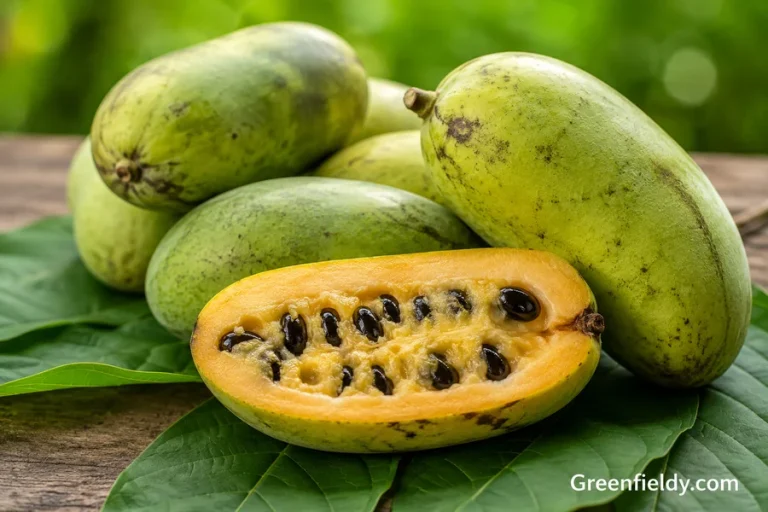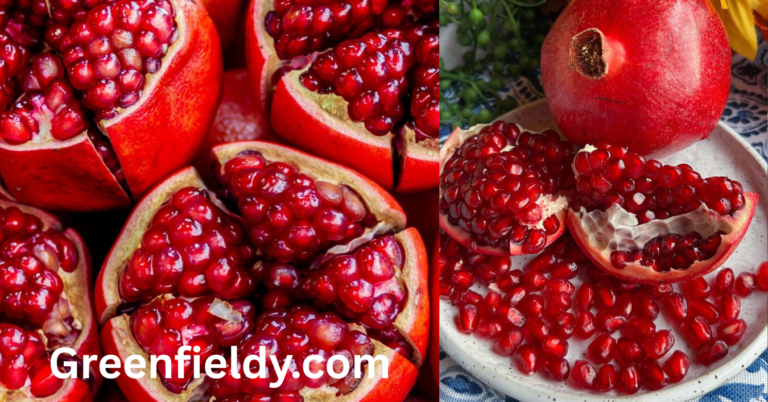
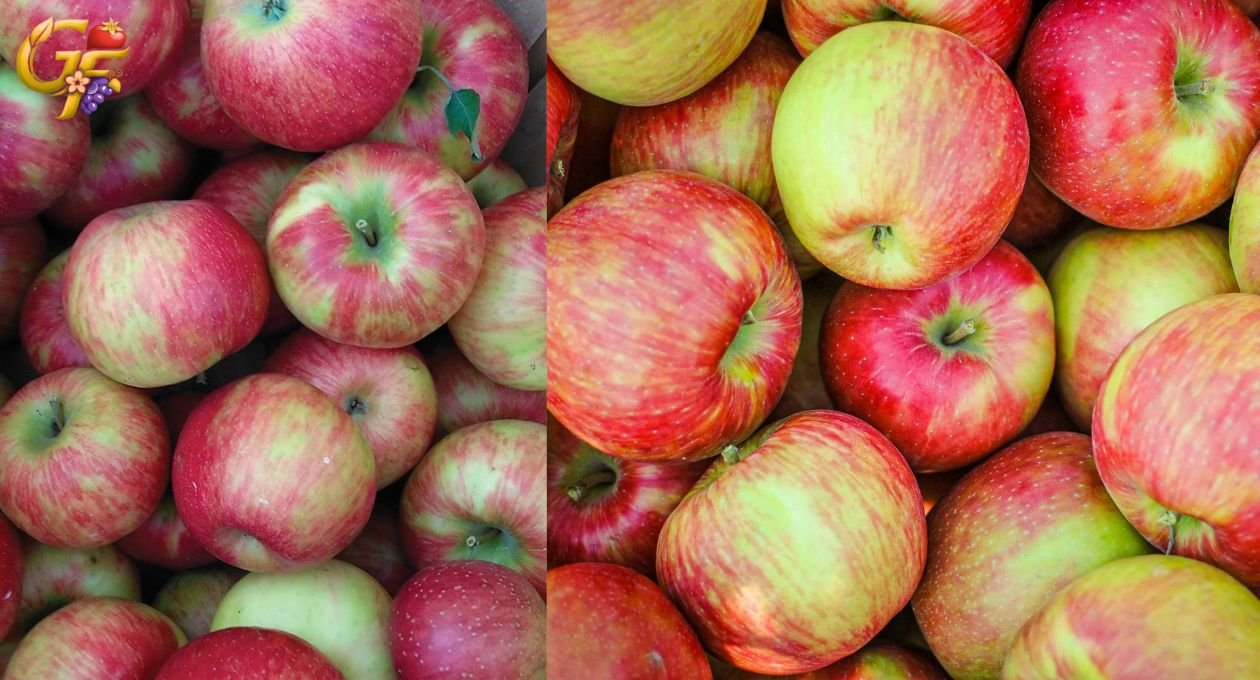
Fruits that resemble apples often capture attention because of their familiar round shape, crisp texture, and refreshing flavor. An apple like fruit may not belong to the same species as a traditional apple, yet it shares similar characteristics such as firm flesh, thin skin, and a balanced sweet–tart taste.
Across different regions of the world, several fruits look or taste similar to apples. Some belong to the same botanical family, while others simply share visual or textural similarities. These fruits are widely enjoyed fresh, cooked in desserts, or used in traditional recipes.
This guide explores different types of apple-like fruits, their features, nutritional value, and how they are used in everyday diets.
Click The Latest Fuzzy Fruits
What Is an Apple Like Fruit?
An apple like fruit generally refers to fruits that resemble apples in appearance, structure, or flavor. These fruits are often round, firm, and juicy with a central core containing seeds.
In botanical terms, many apple-like fruits belong to the pome fruit category, which means they develop from a specific type of flower structure. Apples, pears, and quinces are examples of pome fruits.
However, some fruits that resemble apples visually may belong to completely different plant families. Despite their botanical differences, people often group them together because of their similar shape, texture, or taste.
Common Types of Apple Like Fruit
Several fruits around the world resemble apples in different ways. Some share the same botanical family, while others simply have a similar appearance.
Common examples include:
Quince – A golden-yellow fruit with a strong fragrance and firm flesh that becomes soft and sweet when cooked.

Pear – Although slightly elongated, pears have a similar juicy texture and belong to the same plant family as apples.

Crabapple – A smaller relative of the apple tree that produces tiny fruits with a strong tart flavor.

Jujube – Often called the red date, fresh jujube fruits have a crisp texture that closely resembles the crunch of an apple.

Rose Apple – A tropical fruit with smooth skin and a mild apple-like flavor.

These fruits are often described as apple-like because they share similar textures, shapes, or culinary uses.
Characteristics of a Yellow Apple Like Fruit
A yellow apple like fruit typically has bright golden or pale yellow skin and a pleasant fragrance. One of the most well-known examples is quince, which turns a deep yellow color when fully ripe.
Typical characteristics include:
- Smooth or slightly fuzzy outer skin
- Firm flesh that softens when cooked
- Strong aromatic scent
- Balanced sweet and tart flavor
Because of their firm texture, many yellow apple-like fruits are commonly used in cooking rather than eaten raw.
Understanding Small Apple Like Fruit
A small apple like fruit refers to fruits that resemble apples but are much smaller in size. Crabapples are the most recognizable example of this category.
These fruits are valued for several reasons:
- Their intense flavor
- Decorative appearance on trees
- Use in jellies, preserves, and sauces
- High natural pectin content
Due to their strong tartness, small apple-like fruits are usually processed into jams or jellies rather than eaten fresh.
Features of a Green Apple Like Fruit
A green apple like fruit is often known for its crisp texture and refreshing taste. These fruits usually have bright green skin and juicy flesh that offers a balance between sweetness and acidity.
Key characteristics include:
- Fresh and slightly tart flavor
- High water content
- Crisp and crunchy texture
- Versatility in salads and desserts
Because of their refreshing taste, green apple-like fruits are frequently used in smoothies, fruit salads, and healthy snacks.
Nutritional Value of Apple Like Fruits
Most varieties of apple like fruit provide a range of important nutrients that support overall health. Like apples, many of these fruits are naturally rich in fiber and antioxidants.
Common nutrients found in apple-like fruits include:
- Vitamin C
- Dietary fiber
- Potassium
- Natural antioxidants
Regularly consuming these fruits may help support digestion, strengthen the immune system, and promote heart health.
Culinary Uses of Apple Like Fruits
An apple like fruit can be used in many types of recipes depending on its flavor and texture. Some varieties are enjoyed raw, while others become sweeter and softer when cooked.
Popular culinary uses include:
- Fresh fruit salads
- Homemade jams and jellies
- Baked desserts such as pies and tarts
- Fruit sauces and compotes
In many traditional cuisines, apple-like fruits are used to create flavorful desserts and preserves.
How to Identify an Apple Like Fruit
Recognizing an apple like fruit usually involves observing its shape, texture, and internal structure.
Some common identifying features include:
- Round or slightly oval shape
- Crisp flesh with seeds in the center
- Smooth edible skin
- Sweet or mildly tart flavor
These characteristics are similar to those found in traditional apples.
Growing Apple Like Fruits in Home Gardens
Many apple-like fruits can be grown successfully in home gardens if the right conditions are provided. Most varieties prefer moderate climates, fertile soil, and adequate sunlight.
Basic growing tips include:
- Plant trees in well-drained soil
- Ensure they receive plenty of sunlight
- Water regularly but avoid excessive moisture
- Prune trees periodically to encourage healthy growth
With proper care, these fruit trees can produce harvests for many years.
Why Apple Like Fruits Are Popular Worldwide
The popularity of apple like fruit varieties comes from their versatility, flavor, and nutritional value. Many cultures include these fruits in both sweet and savory dishes.
People appreciate them because they are:
- Easy to include in everyday meals
- Suitable for a wide range of recipes
- Rich in beneficial nutrients
- Available in different varieties and flavors
Their familiar apple-like qualities make them appealing to consumers around the world.
FAQs About Apple Like Fruit
1. What fruit is most similar to an apple?
Several fruits resemble apples, including quince, pear, crabapple, and jujube. These fruits share similar textures, shapes, or botanical characteristics.
2. What is a yellow apple like fruit?
Quince is one of the most well-known yellow apple like fruits. It develops a golden color when ripe and is commonly used in jams and cooked dishes.
3. What is considered a small apple like fruit?
Crabapple is a typical small apple like fruit. It resembles a miniature apple and is often used to make jelly and preserves.
4. Are green apple like fruits sour?
Many green apple like fruits have a slightly tart taste, which makes them refreshing in salads, juices, and snacks.
5. Are apple-like fruits healthy?
Yes, most apple-like fruits contain fiber, vitamins, and antioxidants that support digestion, heart health, and overall well-being.
Conclusion
An apple like fruit includes a wide range of fruits that resemble apples in shape, flavor, or texture. From the fragrant yellow quince to the small but flavorful crabapple and the crisp jujube, these fruits offer both nutritional value and culinary flexibility.
Exploring apple-like fruits helps people discover new flavors while enjoying many of the same qualities that make apples popular. Whether eaten fresh, cooked in desserts, or preserved in jams, these fruits remain a delicious and nutritious addition to a balanced diet.
About the Author