If you’ve Googled “best plants for vegetable garden” then you are probably standing over a patch of dirt and scratching your head as you try to determine what will not die on you. Fair enough. Most guides throw fifty vegetables at you and say, “Here’s the advice.” It isn’t. It’s just overwhelming.
So this one’s different. The whole list is prompted by one question: What grows for a non-green fingered person? All the following fit the bill because they have the ability to get things wrong, produce results, and don’t require a horticulture degree.
Don’t give up and you can know what and when to plant and why it will last.
Why Plant Choice Makes or Breaks Your Garden
This is the most common reason for most new gardeners to fail. They select vegetables which require an optimal soil, daily care or a longer season than their climate affords. After some weeks, something wilts and they give up.
This isn’t a hard repair — go with plants that are tough. Forgot to water on a day? Doesn’t matter. Soils are a bit coarse? Still fine. This is the idea behind this list in a nutshell.
Top 10 Best Plants for Vegetable Garden Beginners
| Plant | Sun Needed | Days to Harvest | Difficulty |
| Tomatoes | Full sun | 60–85 | Easy |
| Zucchini | Full sun | 45–55 | Easy |
| Bush Beans | Full sun | 50–60 | Very Easy |
| Lettuce | Partial shade | 30–45 | Very Easy |
| Radishes | Full sun | 20–30 | Very Easy |
| Peppers | Full sun | 60–90 | Moderate |
| Cucumbers | Full sun | 50–65 | Easy |
| Carrots | Full sun | 60–75 | Moderate |
| Spinach | Partial shade | 30–40 | Easy |
| Herbs (basil, mint) | Full sun | 20–60 | Very Easy |
That table covers most of what people are actually searching for. But there’s more to it than a chart. Here’s the reasoning behind each pick.
Read Also: True Great Gardens of the World
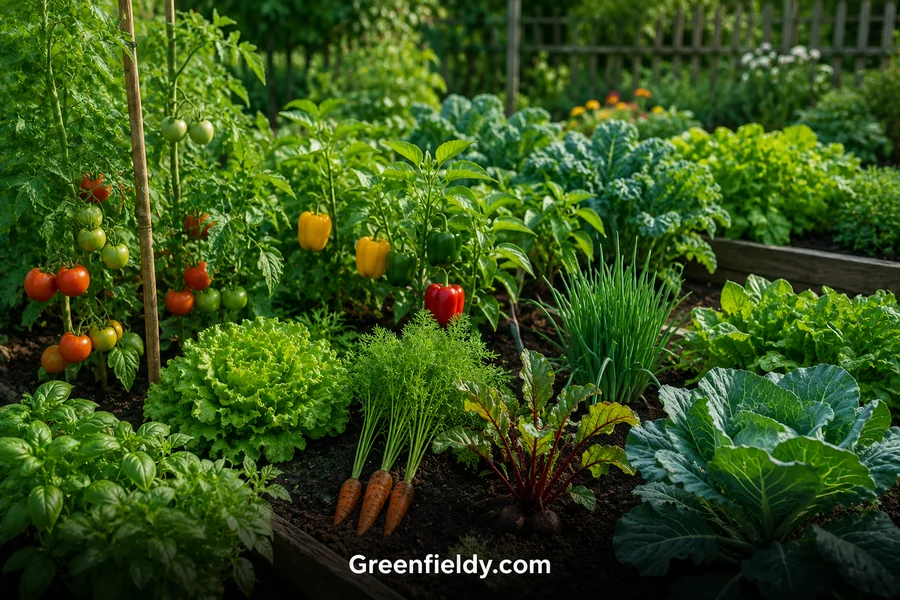
The Best Plants for Vegetable Garden Beds, Explained
1. Tomatoes
Tomatoes show up on almost every best plant for the vegetable garden list, and honestly, they earn the spot. They produce a lot, they taste nothing like the ones from the store, and they don’t punish you for basic care.
Plant after your last frost date. Stake or cage them early — wait too long and the plant gets floppy and hard to manage. Water the base, not the leaves. Wet foliage invites disease.
Best for: anyone who wants something to show for their effort by midsummer.
2. Zucchini
Zucchini borders on ridiculous. One plant can bury a family in squash by August. If you’re new to this and need an early win, plant zucchini.
Give it room — it sprawls more than people expect. Pick the squash small, around 6 to 8 inches. Wait too long and it turns woody and loses flavor.
3. Bush Beans
Bush beans skip the trellis that pole beans need, so there’s one less thing to build. They also pull nitrogen into the soil as they grow, which sets up whatever you plant there next.
Sow the seeds straight into the ground once it warms up. No indoor starting, no fuss.
4. Lettuce
Lettuce grows fast and asks for very little. It tolerates partial shade too, so it’s a solid choice for the spot where nothing else wants to grow.
Pull outer leaves as you need them and the plant keeps going. Or cut the whole head at once and call it done.
5. Radishes
Want proof gardening actually works, and fast? Plant radishes. They’re ready in under a month. Kids especially like these — the payoff comes before their patience runs out.
Sow directly into loose soil. Thin the seedlings so the roots have room to swell.
6. Peppers
Peppers ask for a little patience, but they pay it back. Bell peppers, jalapeños, banana peppers — all of them do fine in containers or beds as long as they get full sun.
Start seeds indoors about 8 weeks before your last frost. They’re slow off the blocks. Once transplanted, though, they mostly take care of themselves.
7. Cucumbers
Cucumbers climb and sprawl and, once established, produce heavily. A trellis saves space and keeps the fruit straighter and cleaner off the ground.
Keep the soil evenly moist. Let it swing between soggy and dry and the cucumbers turn bitter.
8. Carrots
Carrots need loose soil, free of rocks, to grow straight instead of twisted. Heavy clay soil? Go with raised beds or containers instead.
Thin seedlings early so the roots aren’t fighting each other for space. This one rewards patience with flavor.
9. Spinach
Spinach likes it cool, which makes it a natural for early spring or fall. Once summer heat hits, it bolts — goes to seed — fast, so get it in the ground before then.
10. Herbs
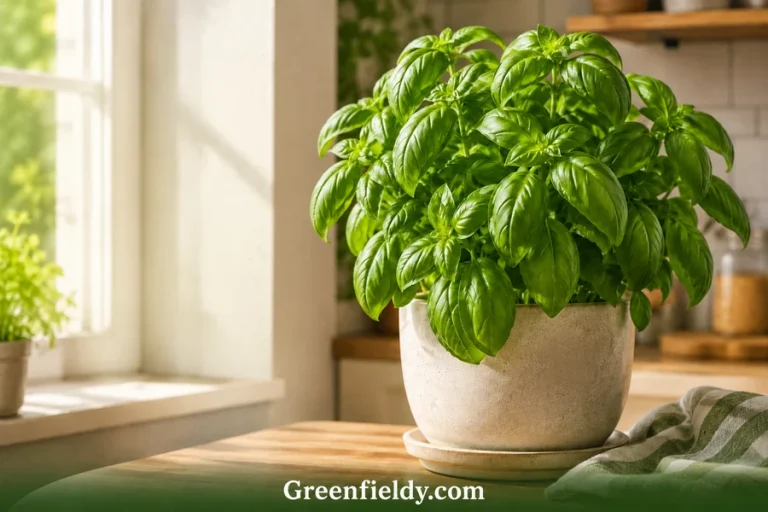
Basil, mint, and parsley round things out because they’re nearly indestructible and they make everything else you’re cooking taste better instantly.
One warning: mint spreads like it’s trying to take over the yard. Keep it in a pot unless that’s exactly what you want.
Read Also: The Three Sisters Crops
Companion Planting: Pair These for Better Results
Some plants genuinely help their neighbors. It’s not superstition — it’s pest control and soil chemistry doing the work.
- Tomatoes + Basil: basil pushes away pests that go after tomato plants
- Carrots + Onions: onion scent throws off the carrot fly
- Beans + Corn: beans replace the nitrogen corn burns through
- Cucumbers + Radishes: radishes pull cucumber beetles away from the real target
One pairing to skip: tomatoes near corn. Both attract the corn earworm, so you’re just inviting trouble.
When to Plant: A Simple Seasonal Breakdown
Timing trips up more people than bad soil does.
Early Spring (cool weather): lettuce, spinach, radishes, peas
Late Spring (after last frost): tomatoes, peppers, cucumbers, beans
Summer: zucchini, a second round of carrots, herbs
Fall: spinach, lettuce, radishes again
Check your local frost dates before anything cold-sensitive goes in the ground. That one step alone prevents most beginner disasters.
Common Mistakes That Ruin a Vegetable Garden
Even with solid picks from the best plants for vegetable garden list, things can still go wrong. Watch for these.
Overcrowding. Plants need room to breathe. Cram them together and you’re inviting disease while stunting growth.
Wrong sun exposure. Most vegetables want 6 to 8 hours of direct sun. Give them less and yields drop off fast.
Overwatering. More water isn’t automatically better. Soggy roots rot. Check the soil before you water — don’t just run on a schedule.
Ignoring the soil. Vegetables pull a lot out of the ground as they grow. Work in compost before planting, not after things start going sideways.
Final Words
Picking the best plants for vegetable garden success has less to do with what’s trendy and more to do with matching plants to your climate, your space, and how much time you actually have to give them.
Start small. Tomatoes, zucchini and bush beans are as easy to grow as it can be, and they will show in no time. After doing the above, develop more peppers, cucumbers and carrots to add variety.
A garden doesn’t have to be complicated to work with. Choose a couple of these plants, provide the necessary requirements and let the season take care of the balance.
FAQs:
What are the easiest vegetables to grow for beginners?
Bush beans, zucchini, radishes, and lettuce. They forgive mistakes and grow fast, which keeps beginners motivated.
What vegetables should not be planted together?
Skip tomatoes near corn — both draw the corn earworm. Also avoid onions next to beans, since onions can stunt bean growth.
What is the best month to start a vegetable garden?
Most regions get going in early spring, right after the last frost. Cool-season crops like lettuce and spinach can actually go in a bit earlier.
How much sun does a vegetable garden need?
Most vegetables want 6 to 8 hours of direct sun a day. Leafy greens like lettuce and spinach can get by in partial shade.
What are the most productive vegetables to grow in a small garden?
Zucchini, bush beans, and cherry tomatoes give you the most per square foot, which makes them a good fit for small spaces or containers.
Read More Articles: Plant Swap Ideas
About the Author