
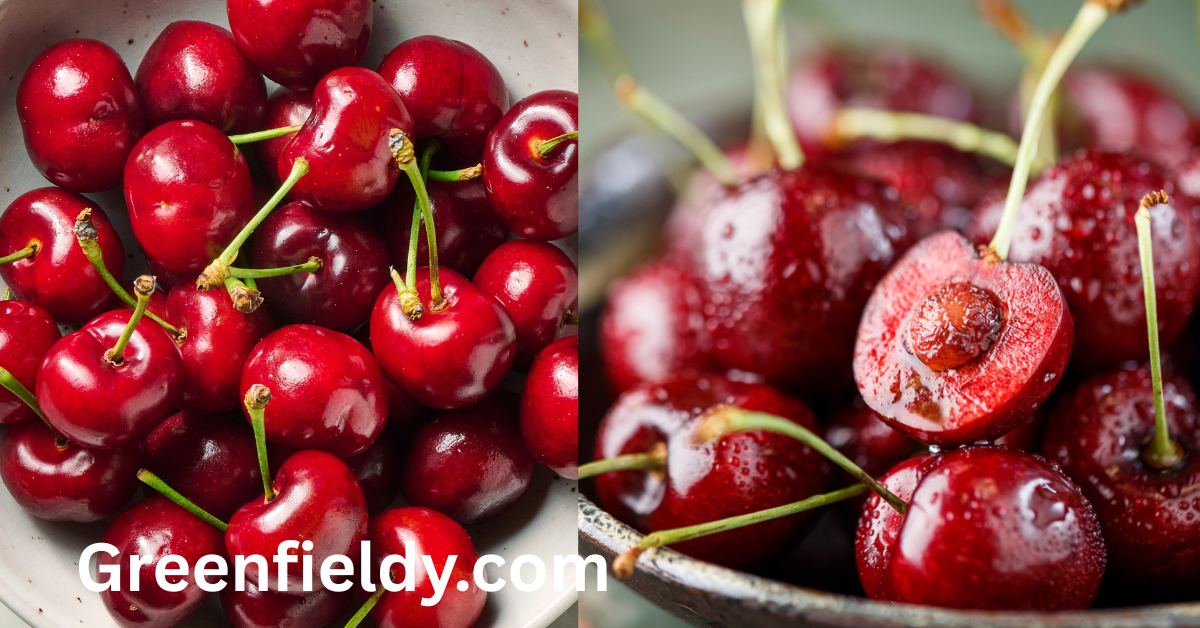
Florida is famous for oranges, strawberries, and tropical fruits, but many people are surprised to learn that cherries can also grow in certain parts of the state. Understanding the cherry season in Florida is important for gardeners, fruit lovers, and anyone interested in local produce. Unlike northern states where cherries thrive in cooler climates, Florida presents unique challenges because of its heat and humidity. However, with the right cherry varieties and proper care, successful harvesting is possible in some regions.
This guide explains everything you need to know about cherry season in Florida, including the best growing conditions, harvesting times, suitable cherry varieties, and tips for maintaining healthy trees.
Understanding Cherry Season in Florida
The cherry season in Florida differs significantly from traditional cherry-growing states like Michigan, Washington, or Oregon. Most sweet cherry trees require a large number of chill hours during winter, which Florida’s warm climate cannot provide.
Because of this, only low-chill cherry varieties are suitable for Florida gardens. In many areas of the state, cherries typically begin ripening between late spring and early summer. Depending on the variety and region, harvesting often occurs from April through June.
Northern Florida generally offers better conditions for cherries because temperatures are slightly cooler during winter. Central and southern regions face more challenges, though some adapted varieties can still produce fruit.
Why Florida’s Climate Makes Cherry Growing Difficult
One of the biggest reasons cherries are uncommon in Florida is the climate. Cherry trees usually need cold winters to break dormancy and develop fruit properly. Florida’s subtropical weather creates several obstacles:
- Insufficient winter chill hours
- High humidity levels
- Frequent summer rain
- Increased fungal diseases
- Heat stress during flowering
These factors can affect pollination, fruit quality, and overall tree health. Still, advances in horticulture have introduced low-chill cherry varieties that are better suited for warmer climates.
Gardeners who understand local conditions can still enjoy a productive cherry season in Florida with careful planning and maintenance.
Best Cherry Varieties for Florida
Not every cherry tree can survive Florida’s environment. Choosing the correct variety is the most important step for success. Low-chill varieties are specifically bred to require fewer cold hours.
Some of the best options include:
Barbados Cherry
Despite its name, the Barbados cherry is not a true cherry, but it grows exceptionally well in Florida. It produces small red fruits rich in vitamin C and thrives in warm weather.
Minnie Royal Cherry
This low-chill variety can adapt to northern and central Florida. It requires cross-pollination with another compatible variety for proper fruit production.
Royal Lee Cherry
Royal Lee cherries are often planted alongside Minnie Royal trees. Together, they improve pollination and fruit yield during the cherry season in Florida.
Surinam Cherry
Another tropical option, Surinam cherry grows well throughout Florida. The fruit has a tart flavor and is commonly used in jams and desserts.
Selecting disease-resistant varieties greatly improves the chances of a successful harvest.
When Does Cherry Season Start in Florida?
The exact timing of the cherry season in Florida depends on weather patterns and the type of cherry tree being grown.
In general:
- Flowering begins between January and March
- Fruit development occurs during spring
- Harvesting usually starts in April
- Peak picking season continues into June
Warmer winters may cause earlier blooming, while cooler northern regions often experience slightly delayed harvests.
Florida’s cherry season is shorter compared to colder states because high temperatures accelerate fruit ripening. Gardeners should monitor trees closely to harvest cherries before birds, insects, or heavy rains damage the fruit.
Ideal Growing Conditions for Cherry Trees
Creating favorable growing conditions can significantly improve fruit production during the cherry season in Florida.
Cherry trees need:
Full Sunlight
Trees should receive at least six to eight hours of direct sunlight daily. Proper sunlight improves flowering and fruit sweetness.
Well-Drained Soil
Florida’s sandy soil can work well if drainage is adequate. Waterlogged roots may lead to fungal infections and root rot.
Proper Irrigation
Cherry trees need consistent moisture, especially during flowering and fruit development. However, overwatering should be avoided.
Air Circulation
Good airflow reduces humidity around the tree canopy and helps prevent fungal diseases.
Fertile Soil
Organic compost and balanced fertilizers support healthy growth and fruit production.
Maintaining these conditions helps trees survive Florida’s demanding climate.
Common Problems During Cherry Season in Florida
Growing cherries in Florida comes with several challenges. Understanding these issues early can help gardeners protect their crops.
Fungal Diseases
Warm and humid weather encourages diseases such as leaf spot, powdery mildew, and brown rot.
Birds and Wildlife
Birds are highly attracted to ripening cherries and may quickly consume fruit before harvest.
Heat Stress
Excessive heat can damage blossoms and reduce fruit quality.
Poor Pollination
Some cherry varieties require cross-pollination. Without compatible pollinators nearby, fruit production may remain low.
Root Problems
Poor drainage can weaken roots and shorten tree lifespan.
Regular inspection, pruning, and preventive care are essential during the cherry season in Florida.
How to Care for Cherry Trees in Florida
Proper maintenance increases the chances of a healthy harvest each year.
Watering Schedule
Young trees need regular watering until roots become established. Mature trees generally need deep watering once or twice weekly during dry periods.
Fertilization
Apply fertilizer in early spring before flowering begins. Avoid excessive nitrogen because it may encourage leaf growth instead of fruit production.
Mulching
Mulch helps conserve soil moisture and regulate root temperature. Keep mulch a few inches away from the trunk to prevent rot.
Pruning
Prune cherry trees after harvest to remove dead branches and improve airflow.
Pest Control
Monitor for aphids, caterpillars, and fruit flies. Organic sprays and natural predators can help control infestations.
Consistent care helps trees remain productive throughout the cherry season in Florida.
Can You Grow Sweet Cherries in Florida?
Traditional sweet cherries struggle in Florida because they require long periods of winter cold. However, low-chill hybrids have made it possible for some gardeners to grow sweet cherries successfully.
Northern Florida offers the best chance for sweet cherry production because winter temperatures are cooler. Gardeners in southern Florida often have better success with tropical cherry substitutes like Barbados cherry or Surinam cherry.
Even with adapted varieties, fruit production may vary from year to year depending on winter weather conditions.
Benefits of Growing Cherries at Home
Many Florida gardeners enjoy growing cherries because of the rewards they provide beyond fruit production.
Fresh Fruit
Homegrown cherries can be harvested at peak ripeness for better flavor and nutrition.
Landscape Beauty
Cherry trees add ornamental value with attractive blossoms and colorful fruit.
Pollinator Support
Flowers attract bees and beneficial insects that support local ecosystems.
Nutritional Value
Cherries contain antioxidants, vitamins, and anti-inflammatory compounds.
Gardening Experience
Successfully growing cherries in Florida can be highly satisfying because of the climate challenges involved.
These benefits make the effort worthwhile for many home gardeners.
Tips for a Better Cherry Harvest in Florida
Gardeners can improve fruit quality and increase yields by following several practical strategies.
- Choose low-chill cherry varieties
- Plant trees in the coolest part of the yard
- Protect blossoms from late temperature swings
- Use bird netting during ripening season
- Avoid excessive watering before harvest
- Apply fungicides when necessary
- Encourage pollinators with flowering plants nearby
Timing also matters. Harvest cherries as soon as they reach full color and firmness because Florida’s humidity can quickly reduce fruit quality.
Patience is important as young cherry trees may take several years before producing significant harvests.
The Future of Cherry Growing in Florida
Interest in alternative fruit crops continues to grow across Florida. Researchers and plant breeders are developing more heat-tolerant and low-chill cherry varieties that may expand cherry production in the future.
Climate adaptation and improved gardening techniques are making it easier for homeowners to experiment with fruit trees once considered unsuitable for Florida. While cherries may never become as common as citrus in the state, the possibilities are steadily improving.
For gardeners willing to invest time and care, the cherry season in Florida can become a rewarding part of the home gardening experience.
FAQs About Cherry Season in Florida
When is cherry season in Florida?
The cherry season in Florida usually begins in late spring and continues into early summer. Most cherry varieties ripen between April and June, depending on the weather and the region of the state.
Can cherry trees grow successfully in Florida?
Yes, some cherry trees can grow in Florida, especially low-chill varieties. Northern Florida offers better conditions because of cooler winter temperatures, while tropical cherry varieties perform well in warmer areas.
What are the best cherry varieties for Florida?
Popular choices include Barbados cherry, Surinam cherry, Minnie Royal cherry, and Royal Lee cherry. These varieties are better adapted to Florida’s climate and lower winter chill hours.
Why are cherries difficult to grow in Florida?
Florida’s warm winters, high humidity, and frequent rain create challenges for traditional cherry trees. Many standard cherry varieties require cold temperatures that Florida typically does not provide.
Do cherry trees need full sun in Florida?
Yes, cherry trees grow best with at least six to eight hours of direct sunlight daily. Proper sunlight helps improve flowering, fruit quality, and overall tree health.
How long does it take for a cherry tree to produce fruit?
Most cherry trees begin producing fruit within three to five years after planting, depending on the variety and growing conditions.
Are Barbados cherries real cherries?
Barbados cherries are not true cherries, but they are commonly called cherries because of their appearance. They grow very well in Florida and are known for their high vitamin C content.
Can sweet cherries grow in southern Florida?
Traditional sweet cherries struggle in southern Florida because winters are too warm. However, some low-chill hybrid varieties may produce limited fruit with proper care.
How do you protect cherries from birds during harvest season?
Many gardeners use bird netting to cover trees during ripening. Reflective tape and garden scare devices may also help reduce bird damage during the cherry season in Florida.
What is the best soil for cherry trees in Florida?
Cherry trees prefer well-drained soil with good airflow. Sandy soil can work well if organic matter and nutrients are added regularly.
Conclusion
The cherry season in Florida may be different from traditional cherry-growing regions, but successful cultivation is still possible with the right approach. Choosing low-chill varieties, maintaining healthy growing conditions, and protecting trees from heat and humidity are key factors for success.
Florida gardeners who understand the challenges of the local climate can still enjoy fresh cherries and beautiful flowering trees. Whether you grow Barbados cherries, Surinam cherries, or low-chill sweet cherry hybrids, proper care can lead to a productive harvest during Florida’s spring and early summer months.
As new cherry varieties continue to be developed, cherry growing in Florida is becoming more accessible than ever before.
About the Author


1 thought on “Cherry Season in Florida: Best Time, Popular Varieties, and Growing Tips”