All gardeners face this obstacle at some time. More plants, more variety, more harvest is what you want. Your yard remains the same size, though. Fortunately you don’t need any more land! A better plan is needed. Learning how to maximize garden space is the fastest way to turn a cramped yard into a productive one & it takes less effort than most people think.
This guide explains specifically the techniques used by professional landscapers and small space growers. No filler. Only tactics you can use this weekend!
What Does It Mean to Maximize Garden Space?
The best garden space is the space you have, whether it’s a yard, patio or balcony, growing your plants in it without it seeming cramped. It integrates vertical farming, smart plant layout, multi-use structure and plant spacing. The objective is straightforward: Get more yield out of the same square footage – more beauty at the same time.
Why Garden Space Planning Matters
Most small yards are only using about 40% of their real growing potential. The rest gets lost to wasted paths, oversized lawns, or poor plant placement. A little planning changes that fast.
Here’s what happens when you plan your layout properly:
| Problem | Result Without Planning | Result After Maximizing Space |
| Overcrowded beds | Poor airflow, disease | Healthy spacing, better yield |
| Wasted vertical space | Flat, low output | 2-3x more growing area |
| Random plant placement | Weak growth, shading issues | Balanced sunlight for all plants |
| No clear paths | Trampled soil, compacted beds | Protected beds, easy access |
A well-planned garden isn’t just more productive. It’s easier to maintain too.
Read More Articles: How to Grow Herbs Indoors
15 Ways to Maximize Garden Space
1. Go Vertical First
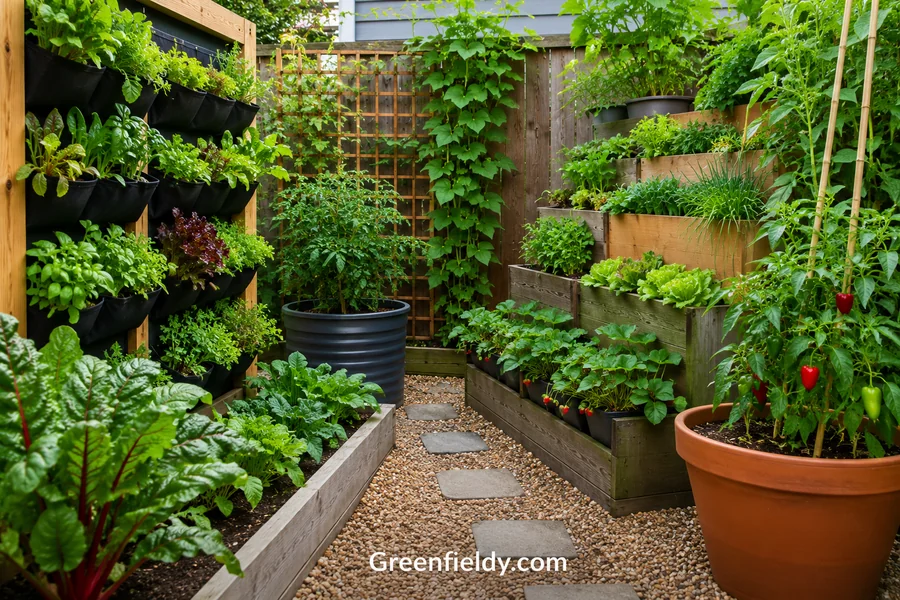
The most important space saver is vertical growth. Grow up instead of out with trellises, arbors and wall planters. Vertical supports work well for cucumbers, beans, peas and even small melons.
2. Use Raised Beds Instead of Rows
The raised beds also allow more plants to be planted in a smaller space, as they don’t require the large rows that are used in traditional gardens. In a raised bed, you can double your production in a square foot by intensive spacing.
3. Try Square Foot Gardening
The one-foot square grid system has each bed divided into one-foot squares with a number of plants in each section. Eliminates guesswork and prevents over or under planting.
4. Plant in Layers
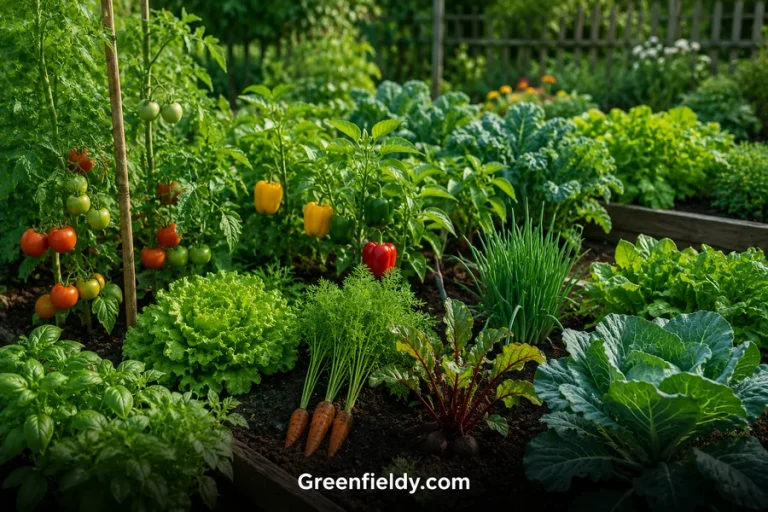
Mix short, medium and tall plants in a bed. Corn above, beans climbing on corn, squash spreading under. This is known as companion layering, and is one of the oldest space-saving gardening tips around.
5. Choose Compact or Dwarf Varieties
New varieties are available now that are designed for small spaces—such as compact tomatoes and dwarf fruit trees and bush squash. Look at the seed packets for terms such as “bush,” “patio,” or “compact.
6. Use Hanging Baskets
Trailing flowers, strawberries and herbs make great hanging basket plants. This makes space available for the entire crop without sacrificing production.
7. Add a Living Wall
Use an unused fence or wall for planter space with a vertical wall planter. This is an ideal spot for herbs, lettuce and small succulents.
8. Interplant Fast and Slow Growers
Cultivate fast-growing vegetables such as radishes between slower growing vegetables, such as tomatoes. The radishes are ready to be picked before the tomatoes require space.
9. Use Containers on Patios and Steps
Any horizontal surface will support a container. Containers make use of the space in steps, railings and patios, which are otherwise unused.
10. Build Multi-Level Garden Structures
Growing space is elevated in tiers and shelving. This is particularly good for herbs and small vegetables.
11. Skip the Traditional Lawn
Most people don’t realize how much space lawns require. By replacing a portion with garden beds, you will immediately make more use of your garden area, without increasing your property line.
12. Train Vines Along Fences
Fences are vertical properties that are free. Climbing roses, kiwi and grapes are all fence line plants.
13. Use Succession Planting
Plant another crop as soon as one crop is finished. This allows beds to remain in use throughout the season rather than being left unused after a crop is harvested.
14. Group Plants by Water Needs
Plants grouped together, with the same watering requirements, can be planted closer together and not worry any individual plant. It also reduces the amount of water that is wasted.
15. Keep Pathways Narrow but Functional
Wide paths are attractive, but consume growing space. Pathways should be just wide enough for a wheelbarrow or person’s comfortable stride; beds should then be filled in between.
Read More: True Great Gardens of the World
Best Plants for Small Garden Spaces
| Plant Type | Space-Saving Method | Notes |
| Tomatoes | Cage or trellis | Choose determinate varieties |
| Cucumbers | Vertical trellis | Saves up to 70% ground space |
| Herbs | Hanging baskets or wall planters | Great for patios |
| Strawberries | Vertical towers | Produces well in small containers |
| Beans | Pole varieties on trellis | Outproduce bush types per square foot |
| Lettuce | Container or raised bed | Fast growing, reusable space |
Quick Layout Plan for a Small Yard
- Plan out where the sunlight falls first. The majority of vegetables require six or more hours of sunlight.
- Use tall objects such as trellis on the northern side as they do not shade the other plants.
- Arrange the beds or planters in the area that has better drainage.
- Fences and walls should be used for climbing plants.
- Maintain wide, clear pathways as compacting of beds is to be avoided.
This five-step layout alone can maximize garden space in a yard as small as 10 by 10 feet.
Common Mistakes That Waste Garden Space
- Planting in rows when beds would accommodate more
- Total lack of vertical structures
- Overcrowding without looking at the size of plants at maturity
- Leaving beds fallow in between crops instead of planting again
- Not using patio spaces, balconies, and fences to hang containers from
Just fixing a couple of these errors will greatly boost your output.
Final Thoughts
Maximize garden space isn’t about tricks or shortcuts. It’s a matter of structure, direction and timing to make the best out of what you have. Commit to 1 or 2 changes from this list. Add vertical growing. Rotate rows to create raised beds. Complete an empty fence line. Little changes can make a big difference over time, and in just one season you will see your yard producing more than you would have expected based on its size.
FAQs:
How can I maximize garden space in a small yard?
Use vertical structures like trellises, plant in raised beds instead of rows, and fill unused areas like fences, walls, and patios with containers or hanging baskets.
What is the best layout to maximize garden space?
Raised beds combined with vertical trellises on the north side of the yard give the most growing area without blocking sunlight from shorter plants.
Does square foot gardening really save space?
Yes. Square foot gardening can produce two to four times more per square foot than traditional row planting because it removes wasted walking space between rows.
Can I grow vegetables in a small balcony garden?
Yes. Containers, hanging baskets, and compact or dwarf plant varieties work well on balconies with enough sunlight.
What vegetables grow best in small spaces?
Cucumbers, pole beans, tomatoes, lettuce, and strawberries all perform well in vertical or container setups.
Read More Articles: Plant Swap Ideas
About the Author