Introduction: Why the Pea Shortage Matters More Than Ever
Walk through a supermarket today and you might notice something subtle but important—frozen vegetable shelves aren’t as stable as they used to be. Prices shift. Availability changes. And in some regions, even basic staples like peas are becoming inconsistent.
The pea shortage is no longer just a local farming issue. It has become a global food supply concern affecting households, restaurants, and food manufacturing industries. Peas—whether frozen, canned, or dried—are a key source of plant-based protein and widely used in everyday diets.
In 2026, this shortage reflects a deeper imbalance between agricultural production, climate stress, and rising global demand for plant-based foods.
This guide explains everything: what causes the pea shortage, its economic impact, and what the future looks like for pea production worldwide.
What Is a Pea Shortage?
A pea shortage occurs when the supply of peas cannot meet market demand. This leads to:
- Higher retail prices
- Limited availability in stores
- Pressure on food manufacturing industries
- Increased dependence on imports
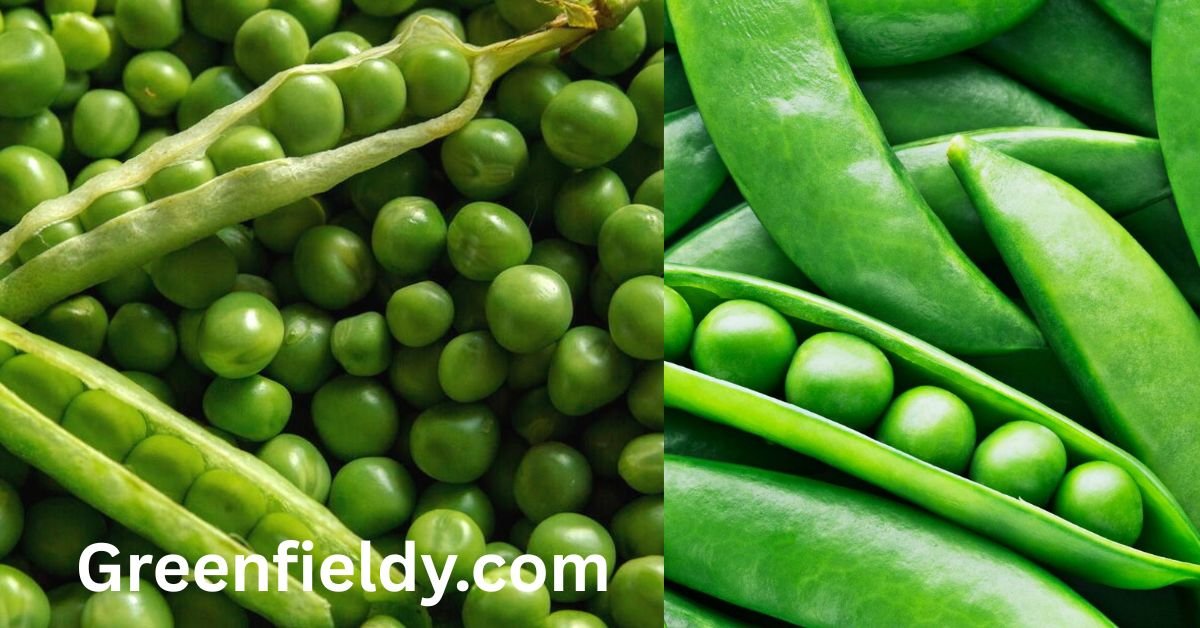
Peas are consumed in multiple forms:
- Green peas (fresh/frozen)
- Dry peas (split peas, flour, animal feed)
- Processed peas in packaged foods
Because peas are widely used in both household cooking and industrial food production, even small supply disruptions can create noticeable market effects.
Global Pea Production Overview
Peas are primarily grown in temperate agricultural regions. Major producers include:
- Canada
- China
- India
- Russia
- France
Peas play a unique role in agriculture because they:
- Improve soil fertility through nitrogen fixation
- Are used in crop rotation systems
- Require relatively low fertilizer input
However, despite these advantages, pea production is highly sensitive to environmental and logistical conditions.
Main Causes of Pea Shortage (2026 Update)
1. Climate Change and Weather Instability
Climate change remains the biggest driver of modern agricultural disruption.
Pea crops are highly sensitive to:
- Frost during flowering
- Heatwaves during growth stages
- Irregular rainfall patterns
- Drought conditions
Even short-term weather changes can reduce yield significantly.
2. Reduced Agricultural Land Availability
Urban expansion and industrial development continue to reduce farmland in many regions.
Farmers are also shifting toward:
- More profitable cash crops
- Less climate-sensitive crops
- Export-driven agriculture
This reduces overall pea cultivation globally.
3. Pest and Crop Disease Pressure
Pea crops are vulnerable to:
- Aphids
- Root rot
- Powdery mildew
- Fungal infections
Large outbreaks can destroy entire harvest cycles, tightening supply quickly.
4. Global Supply Chain Disruptions
Even when crops are successfully harvested, distribution plays a critical role.
Key disruptions include:
- Rising fuel costs
- Transport delays
- Labor shortages
- Cold storage limitations
The global supply chain is still recovering from instability triggered in earlier years.
5. Export Controls and Trade Restrictions
Some producing countries restrict exports during low-yield seasons to protect domestic supply.
While this stabilizes local markets, it often creates:
- Global shortages
- Price spikes in importing countries
- Reduced international trade flow
6. Rising Demand for Plant-Based Foods
One of the most important modern drivers is demand growth.
Peas are now widely used in:
- Plant-based meat alternatives
- Protein powders
- Vegan food products
- Health supplements
This rapid demand growth is outpacing production in several regions.
Economic Impact of Pea Shortage
Rising Consumer Prices
When supply decreases, prices increase across:
- Frozen pea packs
- Canned vegetables
- Ready meals containing peas
Consumers feel the impact first at retail level.
Pressure on Food Manufacturers
Food companies rely heavily on peas for:
- Frozen meals
- Soups
- Snacks
- Plant-based proteins
Shortages force them to:
- Reformulate products
- Increase prices
- Reduce production volume
Impact on Farmers
Farmers experience mixed outcomes:
- Higher prices during shortages
- But higher risk from crop failures
- Income instability due to unpredictable yields
Small-scale farmers are the most vulnerable.
Global Trade Imbalance
Countries dependent on imports face:
- Supply gaps
- Inflation in food markets
- Increased reliance on substitute crops
Environmental Impact of Pea Shortage
Soil Fertility Disruption
Peas naturally improve soil by fixing nitrogen. Reduced pea cultivation can:
- Increase fertilizer dependence
- Raise farming costs
- Impact soil health long-term
Unsustainable Land Expansion
To compensate for shortages, farming may expand into less suitable areas, leading to:
- Soil degradation
- Water stress
- Lower long-term productivity
Climate Adaptation Pressure
The shortage highlights the need for:
- Heat-resistant pea varieties
- Drought-tolerant seeds
- Improved irrigation systems
Regional Insight: South Asia Perspective
In regions like Pakistan and surrounding South Asia:
Peas are a dietary staple used in:
- Curries
- Rice dishes
- Snacks
However, production challenges include:
- Seasonal farming cycles
- Limited cold storage infrastructure
- Water scarcity
- Dependence on imports during off-season
This makes local markets highly sensitive to global supply changes.
Solutions to Reduce Pea Shortage
1. Modern Farming Techniques
- Drip irrigation
- Precision agriculture
- Soil monitoring systems
These improve yield efficiency significantly.
2. Climate-Resilient Crop Development
Agricultural research is focusing on:
- Heat-resistant pea varieties
- Disease-resistant seeds
- Faster-growing strains
3. Improved Storage Infrastructure
Better cold storage and processing reduces post-harvest losses.
4. Crop Diversification
Farmers reducing dependency on a single crop improves:
- Income stability
- Supply balance
- Risk management
5. Strengthening Global Supply Chains
Improved logistics includes:
- Better transport planning
- Digital tracking systems
- Efficient distribution networks
6. Encouraging Local Production
Increasing domestic cultivation reduces dependency on imports and stabilizes local markets.
Future Outlook: Will the Pea Shortage Continue?
The future of pea supply depends on how quickly agriculture adapts.
Short-term outlook (2026–2028):
- Occasional shortages likely due to weather instability
- Price fluctuations expected
Long-term outlook:
- Stabilization possible through innovation
- Climate-resilient farming can improve supply
- Plant-based demand will keep pressure high
Peas will remain a critical global crop, especially in the growing plant-protein economy.
FAQs About Pea Shortage
1. What is causing the pea shortage in 2026?
Climate change, rising demand, pests, and supply chain disruptions are the main causes.
2. Is the pea shortage permanent?
No, it is usually temporary, but long-term risks exist due to climate change.
3. Which countries are most affected?
Import-dependent countries and regions with unstable agriculture face the highest impact.
4. Why are pea prices increasing?
Because demand is rising faster than supply, especially in processed food industries.
5. Are peas still widely available?
Yes, but availability and prices vary depending on region and season.
6. How can pea shortages be solved?
Through better farming methods, improved storage, and climate-resilient crops.
7. Will plant-based food demand worsen shortages?
Yes, increasing demand for pea protein can add pressure unless production increases.
Conclusion
The pea shortage in 2026 is not just an agricultural issue—it is a reflection of global climate pressure, changing diets, and fragile supply chains.
While short-term disruptions are likely to continue, long-term solutions exist through innovation, sustainable farming, and global cooperation.
Peas may be small in size, but their role in the global food system is massive—and ensuring their stability is essential for both food security and future nutrition trends.
Pea Shoots Benefits: Nutrition, Uses, and Health Value
About the Author