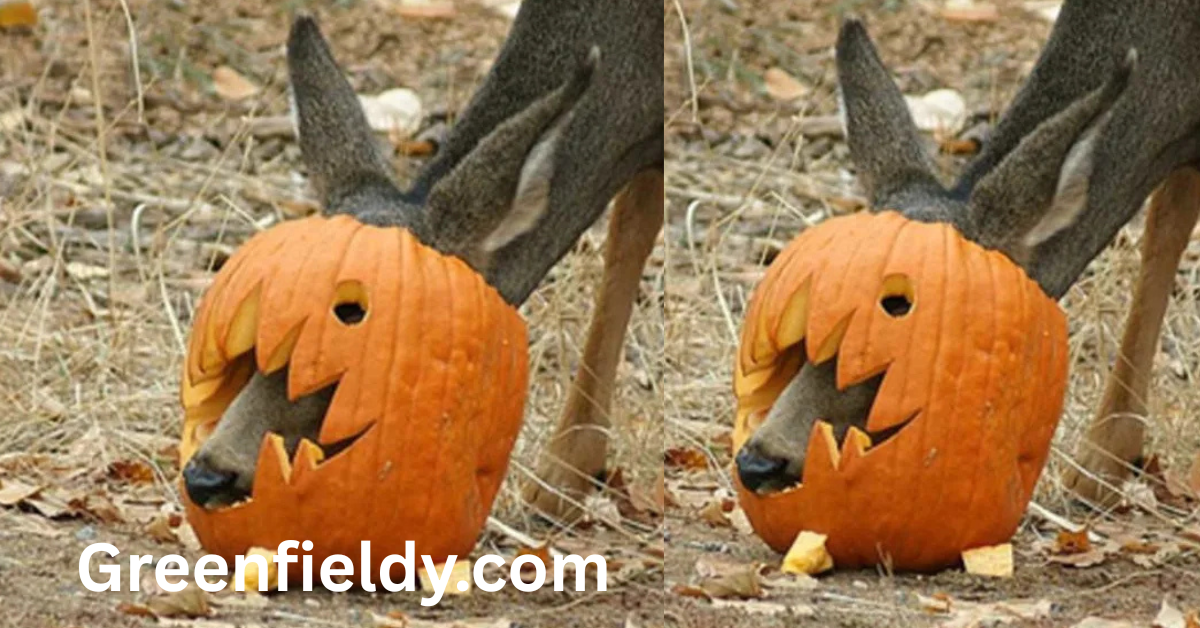
Pumpkins are one of the most popular plants grown during the fall season, but they can quickly attract unwanted visitors to your garden. Many gardeners ask the same question every year: do deer eat pumpkins? Unfortunately, the answer is yes. Deer are known to eat pumpkins, along with pumpkin leaves, flowers, vines, and even carved pumpkins left outside during autumn.
If deer are common in your area, they can damage an entire pumpkin patch in just a single night. Understanding why deer are attracted to pumpkins and how to protect your plants can help you avoid losing your harvest.
Why Deer Eat Pumpkins
Deer are herbivores, which means they survive on plant-based foods. They naturally search for soft, nutritious, and easy-to-access vegetation. Pumpkins meet all of these conditions, making them attractive to deer.
Sweet Taste and Soft Texture
Ripe pumpkins contain natural sugars that appeal to deer. Once a pumpkin becomes cracked, damaged, or soft, deer can easily eat the inner flesh and seeds. The soft texture also makes pumpkins easier to chew compared to harder plants.
Seasonal Food Availability
Pumpkins become available during the fall season, which is an important feeding period for deer. As winter approaches, deer increase their food intake to build energy reserves. Pumpkins provide hydration, fiber, and calories during this time.
Easy Access
Unlike fruits that grow on trees, pumpkins sit directly on the ground. Deer can reach them without effort, making them a convenient food source.
Do Deer Eat Pumpkin Plants?
Deer do not only eat the pumpkin fruit itself. They may feed on nearly every part of the plant.
Pumpkin Leaves
Young pumpkin leaves are tender and easy for deer to chew. Deer often target leaves early in the growing season before pumpkins fully develop.
Pumpkin Flowers
Pumpkin flowers are another favorite food source. If deer eat the blossoms, the plant may produce fewer pumpkins because flowers are necessary for fruit development.
Pumpkin Vines
Deer can also damage pumpkin vines while feeding. Broken or damaged vines may stop the plant from growing properly and reduce pumpkin production.
Signs Deer Are Eating Your Pumpkins
Pumpkin damage can come from several animals, but deer leave behind clear evidence. Here are the most common signs:
- Large rough bite marks on pumpkins
- Missing leaves and flowers
- Trampled vines and plants
- Hoof prints near the garden
- Small pellet-shaped droppings nearby
- Entire pumpkins partially eaten overnight
Because deer are larger animals, the damage they cause is usually more noticeable than damage caused by rabbits or squirrels.
Do Deer Eat Carved Pumpkins?
Yes, deer often eat carved pumpkins left outside during Halloween and fall decorations. In fact, carved pumpkins may attract deer even more because the inside flesh becomes exposed and easier to access.
If pumpkins are left on porches, steps, or yards overnight, deer may bite into them or completely destroy them before morning.
Are Pumpkins Safe for Deer?
Fresh pumpkins are generally safe for deer to eat in small amounts. Pumpkins contain nutrients, water, and fiber that can support deer health. In natural environments, deer commonly eat fruits and vegetables when available.
However, processed pumpkin foods should never be fed to deer. Pumpkin pies, canned pumpkin mixtures, or flavored pumpkin products may contain sugar, spices, preservatives, or artificial ingredients that are unhealthy for wildlife.
Should You Feed Pumpkins to Deer?
Many people leave old pumpkins outside after Halloween to feed deer and other wildlife. While this may seem helpful, wildlife experts often discourage regular feeding.
Problems With Feeding Deer
Feeding deer regularly can create several issues:
- Deer may become dependent on human food sources
- Large groups of deer can spread disease more easily
- Feeding areas may attract predators
- Deer may lose natural foraging habits
- Increased deer activity can damage nearby gardens and crops
If you choose to leave pumpkins outdoors, it is better to do so occasionally rather than making it a regular practice.
How to Protect Pumpkins From Deer
Keeping deer away from pumpkins can be difficult, especially in rural or wooded areas. Fortunately, several methods can help reduce deer damage.
1. Install Fencing
Fencing is one of the most effective ways to stop deer from entering a garden. Deer can jump surprisingly high, so fences should usually be at least 6 to 8 feet tall for maximum protection.
Temporary fencing and electric netting can also work well for seasonal pumpkin patches.
2. Use Deer Repellents
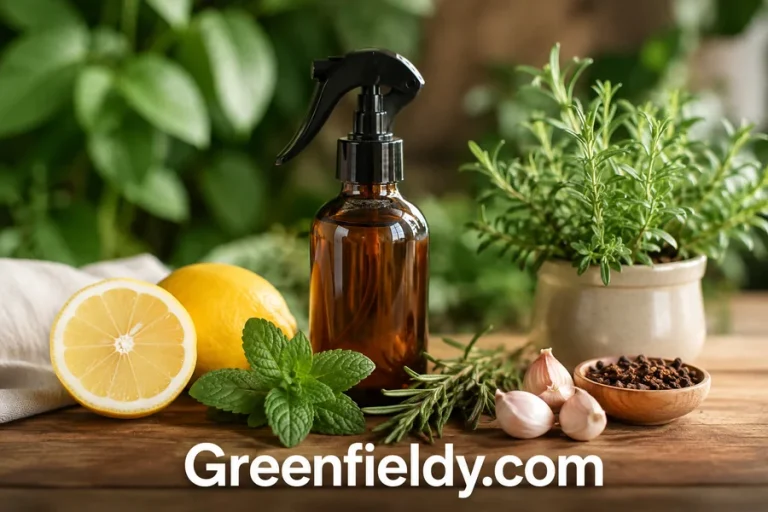
Natural and commercial deer repellents can discourage deer from feeding on pumpkins. Many sprays contain strong scents such as garlic, peppermint, or hot pepper oils that deer dislike.
Repellents often need to be reapplied after rain for continued effectiveness.
3. Try Motion-Activated Devices
Motion-activated sprinklers, lights, and sound devices can scare deer away from gardens. Sudden movement or noise may prevent deer from returning regularly.
These devices work best when combined with other deterrent methods.
4. Plant Deer-Resistant Plants Nearby
Some plants naturally repel deer because of their strong smell or texture. Planting these around pumpkins may help reduce browsing.
Common deer-resistant plants include:
- Lavender
- Sage
- Mint
- Garlic
- Marigolds
- Rosemary
While these plants may not completely stop deer, they can help lower the chances of damage.
5. Remove Food Sources
Rotting fruits, vegetables, and garden scraps may attract deer to your property. Keeping the garden clean can reduce interest from wildlife.
If deer discover a reliable food source, they are more likely to return repeatedly.
When Are Deer Most Active Around Pumpkin Patches?
Deer are most active during the early morning and evening hours. They commonly feed at dawn, dusk, and nighttime when human activity is lower.
During dry seasons or food shortages, deer may become even more aggressive in searching for garden crops like pumpkins.
Can Deer Destroy an Entire Pumpkin Patch?
Yes, deer can destroy a pumpkin patch very quickly. A single deer may eat multiple pumpkins in one night, while a herd can wipe out large sections of a garden within hours.
Because deer also damage leaves and vines, the plants may not recover even if some pumpkins remain untouched.
FAQs
Do deer eat whole pumpkins?
Yes, deer can eat whole pumpkins, especially if the pumpkin is cracked or softened. If food is limited, deer may break open pumpkins themselves to reach the inside flesh and seeds.
Do deer eat pumpkin leaves and vines?
Yes, deer often eat pumpkin leaves, vines, and flowers in addition to the fruit itself. Young plants are especially vulnerable.
Are pumpkins healthy for deer?
Fresh pumpkins can provide hydration, fiber, and nutrients for deer when eaten naturally and in moderation.
How do I stop deer from eating my pumpkins?
You can protect pumpkins by using tall fencing, deer repellents, motion-activated sprinklers, and deer-resistant companion plants.
Do deer eat carved Halloween pumpkins?
Yes, carved pumpkins attract deer because the inside flesh is exposed and easy to eat. Deer may damage or completely consume outdoor Halloween pumpkins overnight.
Conclusion
Do deer eat pumpkins? Yes, deer commonly eat pumpkins, pumpkin plants, flowers, vines, and even Halloween decorations. Pumpkins attract deer because they are sweet, soft, nutritious, and easy to access. While pumpkins are generally safe for deer to eat, they can become a serious problem for gardeners trying to protect their crops.
Using fencing, repellents, motion-activated devices, and deer-resistant plants can help reduce damage and keep your pumpkin patch safer throughout the season. Understanding deer behavior is the best way to prevent unwanted visits and protect your harvest.
About the Author