Elderberry is a popular shrub known for its dark berries and white flower clusters. Many gardeners and foragers search for plants that look like elderberry, especially during berry season. However, several similar plants grow in the wild. Some are harmless, while others can be toxic. Learning the differences helps you stay safe and avoid confusion.
What Does True Elderberry Look Like?
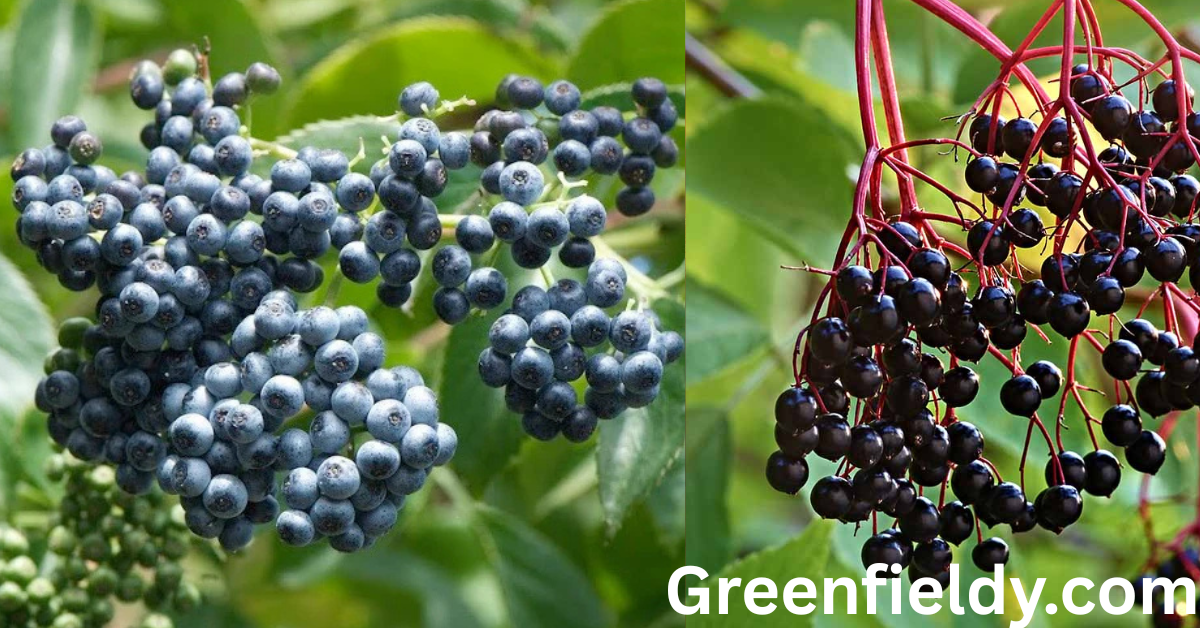
True elderberry belongs to the Sambucus group. The most common types are Sambucus nigra and Sambucus canadensis. These shrubs usually grow between 5 and 12 feet tall. They produce small white flowers in wide, flat clusters. After flowering, dark purple or black berries appear and hang slightly downward when ripe.
The leaves grow in opposite pairs along the stem. Each leaf is compound, meaning it contains several smaller leaflets. The plant has woody stems and grows as a multi-stemmed bush rather than a single tall stalk.
Click The Latest Apple Shortage
Why It Is Important to Identify Correctly
Many plants that look like elderberry grow in the same areas. Some produce dark berries that seem almost identical. However, not all of them are safe to eat. Elderberries are often cooked and used in syrups or jams. In contrast, some similar plants contain harmful substances.
Careful plant identification prevents health risks. Always check leaf pattern, berry shape, stem type, and growth style before picking any wild berries.
Pokeweed: The Most Common Look-Alike

One of the most confused plants that look like elderberry is Phytolacca americana. Its deep purple berries can look similar at first glance. However, the berries grow on long, hanging stems rather than flat clusters.
Pokeweed often has thick, reddish stems. It also grows as a tall, soft-stemmed plant instead of a woody shrub. This plant can reach up to 10 feet in one season. All parts of pokeweed can be poisonous if eaten improperly.
Water Hemlock: A Dangerous Plant to Avoid

Cicuta is another plant sometimes confused with elderberry during flowering season. It produces white umbrella-shaped flower clusters that resemble elderberry blooms.
Unlike elderberry, water hemlock grows in very wet areas such as marshes and stream edges. Its stems are hollow and may have purple streaks. This plant is highly toxic. Always avoid harvesting plants near water unless you are completely certain of the species.
Aralia Species and Their Similar Leaves

Some species in the Aralia group also resemble elderberry. They have compound leaves and may produce dark berries.
However, Aralia plants often grow from a single main stem. Elderberry grows as a branching shrub with multiple woody stems. The berry clusters also differ in shape and arrangement.
Black Nightshade and Small Berry Clusters

Solanum nigrum is a smaller plant that produces black berries. While it may appear on lists of plants that look like elderberry, the differences are clear when you look closely.
Black nightshade grows low to the ground. Its berries form in small clusters rather than large, flat groups. The leaves are simple, not compound like elderberry leaves.
Devil’s Walkingstick: A Taller Relative

Aralia spinosa can also resemble elderberry from a distance. It has large compound leaves and clusters of dark berries.
The key difference is its height and trunk. Devil’s walkingstick can grow up to 20 feet tall and has sharp spines along its stem. Elderberry shrubs are shorter and do not have spines.
Dwarf Elder: A Close but Different Species

Sambucus ebulus is closely related to common elderberry. It produces similar flowers and fruit clusters, which makes it one of the most convincing plants that look like elderberry.
The main difference is structure. Dwarf elder is not a woody shrub. It dies back to the ground each winter and regrows from the base. Its berries are more toxic than common elderberry and should not be eaten without expert guidance.
Simple Tips to Tell the Difference
If you want to safely identify plants that look like elderberry, focus on these features:
Check if the plant is a woody shrub.
Look for opposite, compound leaves.
Examine the berry clusters. Elderberry clusters are wide and flat.
Notice where the plant is growing. Habitat can give helpful clues.
Taking time to observe these details can help you tell elderberry apart from similar plants.
Habitat Clues That Help With Identification
Elderberry often grows along forest edges, roadsides, and open fields with good sunlight. Pokeweed prefers disturbed soil. Water hemlock grows in wet, marshy ground. Understanding where each plant thrives makes identification easier.
When learning about plants that look like elderberry, habitat is just as important as appearance.
Frequently Asked Questions (FAQs)
Are all plants that look like elderberry edible?
No. Some look-alikes, such as pokeweed and water hemlock, are toxic.
What is the easiest way to recognize elderberry?
Look for a woody shrub with opposite compound leaves and flat clusters of dark berries.
Can you eat elderberries raw?
Raw elderberries may cause stomach upset. Most people cook them before eating.
Is dwarf elder the same as common elderberry?
No. Although related, it grows differently and has more toxic berries.
Conclusion
Many plants that look like elderberry grow in similar environments. Some are harmless, but others are dangerous. The safest approach is careful identification. Study the leaf pattern, stem type, berry cluster shape, and growing location. With close observation and patience, you can confidently recognize true elderberry and avoid harmful look-alikes.
About the Author