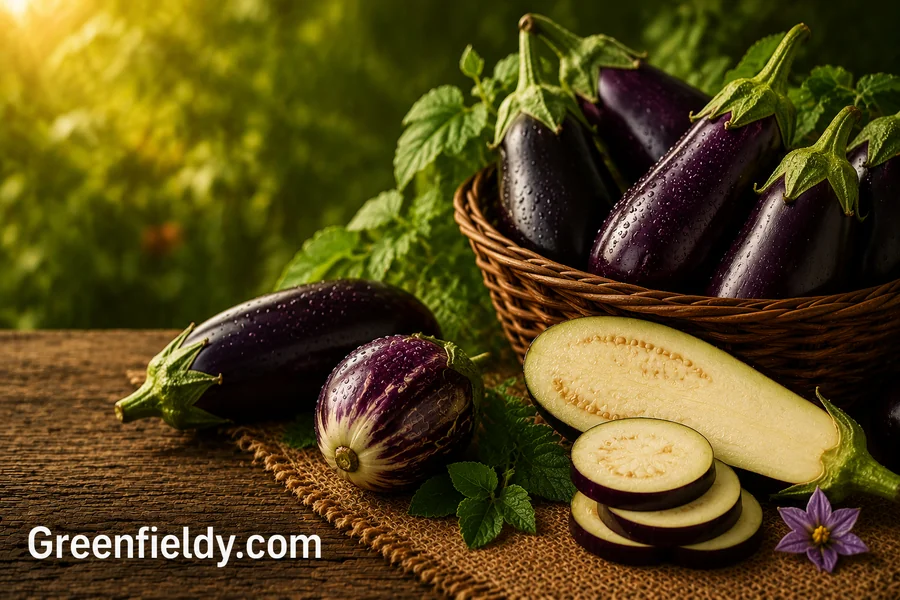
Aubergine is a useful vegetable that people use in many different types of food from all around the world.
You can cook aubergine in lots of ways, like in Mediterranean food or Asian curries or any other way you like.
Aubergine is soft. Has a mild taste so it absorbs flavors like spices, sauces, and oils really well.
Many people use aubergine to make dips, grill it, put it in stews, or bake it in their homes.
You will learn about aubergine, including what is good about it for your health, how it is different from other things, how to cook aubergine, and some helpful tips for your kitchen.
The goal is to make it easy for you to understand and use Aubergine in your cooking.
Aubergine Quick Facts Table
| Feature | Details |
| Common Name | Aubergine |
| Other Name | Eggplant |
| Texture | Soft when cooked |
| Flavor | Mild, slightly earthy |
| Best Cooking Methods | Grilling, roasting, frying, baking |
| Storage | Cool, dry place or refrigerator |
| Key Nutrients | Fiber, potassium, antioxidants |
What Makes Aubergine Special in Cooking
Aubergine is a very good absorber of flavors as opposed to other vegetables.
The spongy structure of aubergine makes it perfectly suitable for incorporation into meals without overshadowing them. This is the reason behind its usage in curries, dips, casseroles, and grilled meals.
Other than being perfect as a meat substitute in vegetarian meals, aubergine is a popular choice due to several other reasons.
When cooked properly, it becomes soft and tasty.

Aubergine Nutrition Benefits
Aubergine can be considered a low-calorie food and has high concentrations of nutrients that support overall health.
Key benefits include:
- As it contains a lot of fiber, it supports digestion.
- Maintains natural moisture and helps to rehydrate.
- An antioxidant, which protects cells from damage
- Supports heart health
- May help control blood sugar levels
- Ideal for weight loss and nutritious eating.
How to Cook Aubergine
Aubergine is easy to prepare in a number of ways. Both techniques result in a different kind of texture and taste.
- Grilling
Grilled aubergine will have a smoky flavor. Cut into slices, brush with oil and sauté both sides.
- Roasting
Bake until tender and to create natural sweetness. Great for dips and salads.
- Frying
After frying, crispy on the outside and soft on the inside. It is commonly used in Mediterranean dishes.
- Baking
Baking is a good option that will not be oily but will retain the flavor.
- Stewing
For curries and slow-cooked dishes, stewing is a great way to absorb sauces and make aubergine more flavorful.

Aubergine Cooking Methods Comparison Table
| Method | Texture Result | Flavor Style | Health Level | Best Use |
| Grilling | Firm & smoky | Strong flavor | High | BBQ dishes |
| Roasting | Soft & rich | Slightly sweet | High | Dips, salads |
| Frying | Crispy outside | Deep flavor | Medium | Snacks, appetizers |
| Baking | Soft & even | Mild flavor | High | Casseroles |
| Stewing | Very soft | Sauce-heavy | High | Curries |
Best Ingredients That Pair With Aubergine
Aubergine is good with bold and pungent flavors.
Popular pairings:
- Garlic and onion
- Tomatoes
- Olive oil
- Chili and spices
- The herbs that you use, such as basil or parsley.
- Cream sauces or yogurts
Read More: Guava Shortage
Common Cooking Mistakes With Aubergine
Texture and bitterness pose problems to many beginners. Below are some of the mistakes to avoid:
- Failing to salt food before cooking Using insufficient oil when frying and roasting
- Over-cooking until it turns into mush
- Irregularly chopping up your ingredients
- Failure to season the food in preparation
Aubergine vs Similar Vegetables
Understanding how aubergine compares helps in choosing the right ingredient.
| Vegetable | Texture | Flavor | Best Use |
| Aubergine | Soft, spongy | Mild | Curries, grills |
| Zucchini | Crisp-soft | Very mild | Stir-fries |
| Bell Pepper | Crunchy | Sweet | Salads |
| Tomato | Juicy | Tangy | Sauces |
Aubergine stands out because it absorbs flavors more deeply than most vegetables.
Best Ways to Store Aubergine
It is best stored in a proper way for longer freshness.
- Keep in a cool and dry place.
- Do not cut prior to the storage period.
- If the product is to be used within a few days, refrigerate.
- Best tasting if used within 3-5 days.
Aubergine should be firm and smooth.
Simple Cooking Tips for Better Results
- Make sure it is divided into equal parts to ensure even cooking.
- Add a medium amount of oil—this will help to give it a better texture.
- Rinse before and after cooking
- Let rest after roasting or frying.
- Combine with sauces for added flavor.
A little of each makes a lot of difference to the quality of dishes.

Aubergine in Global Cuisine
- Aubergine is an important ingredient in many cuisines around the world.
- Moussaka is a typical dish in the Mediterranean area.
- Dips like baba ganoush or other Middle Eastern dips are perfect for pairing with your meal.
- Indian curries and bhartas.
- Asian stir-fry dishes
- Italian baked recipes
It can be used in many different ways and is therefore a favorite in virtually every kitchen in the world.
Health Considerations
Although most of the diets are safe for Aubergine, some of them can be harmful to them. However:
- Individuals might have an allergy to nightshades.
- Excessive frying will increase the calorie count of the food.
- Should be used to complement other vegetables in dishes.
- Moderation and variety are key.
Conclusion
Aubergine is one of those vegetables that is used in a variety of cuisines around the world. Can be utilized with no trouble in different recipes, cooking methods, and cuisines. It adds depth of flavor and texture upon grilling, roasting, or stewing.
There are tips and tricks for preparing aubergine that can ensure that any dish tastes amazing. Aubergine is a versatile ingredient that can be used in a variety of dishes and is versatile in its methods of preparation, which are easy and quick.
Read More: Wild Lettuce Look Alikes
FAQs
What can Aubergine be used for?
The absorbing texture of aubergine helps it absorb flavors, making it a perfect addition to curries, dips, baked dishes, and grilling.
Is the Aubergine peeled?
No, it is not necessary to peel! Skin is edible and provides a lot of nutrients.
Why is Aubergine bitter?
It is a characteristic of older aubergines or badly cooked aubergines that they tend to become bitter. Can be reduced by salting.
Is aubergine healthy?
Yes, it’s low in calories and rich in fiber and antioxidants.
Is Aubergine good to eat raw?
Flavor and texture are reasons why it is not often eaten raw, but it is safe to do so.
How to cook Aubergine?
The most popular ways include flavor and texture, and the most popular ways to achieve this include roasting and grilling.
How to stop aubergine absorbing oil?
Salt before cooking and don’t overheat oil.
What nutrition is there in aubergine?
Yes, it’s low calorie, low fat, and filling, which is great for weight management.
About the Author