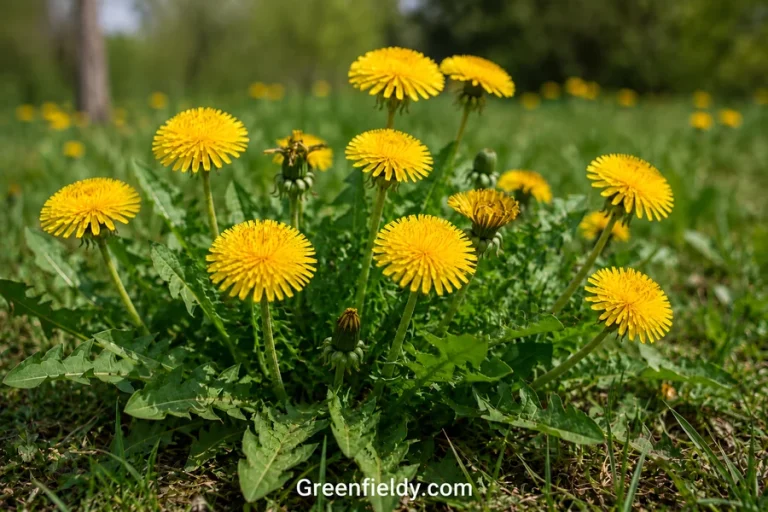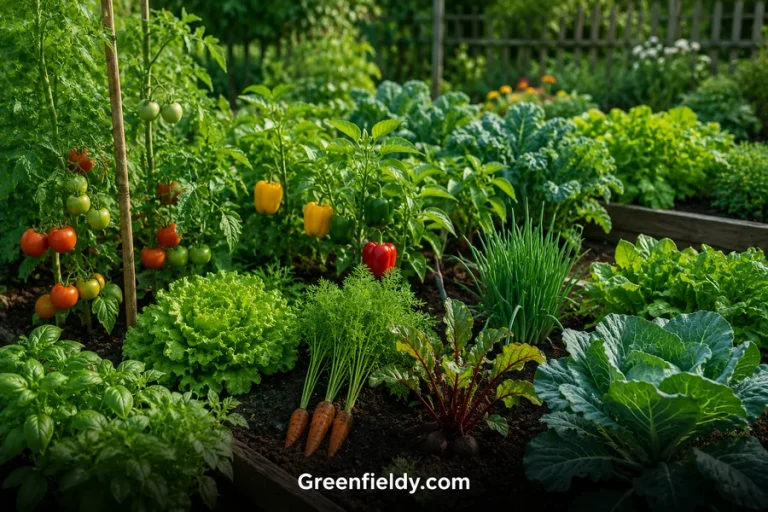

It’s fascinating to drive past a bare spot of dirt and discover blossoms where there was just dirt, pavement, or weeds before. Guerilla gardening is the non-aggressive act of planting in a neglected area, which the gardener doesn’t own or operate.
For some, guerilla gardening is about beauty. For some people it’s about pollinators, for others it’s about having access to food, and for others it’s about neighborhood pride; it’s about bringing a boring corner back to life. The idea is simple. The facts of the real world are not always easy to come by.
This guide will discuss what guerilla gardening is, how people can do it in a responsible way, what kinds of plants typically work, and when it’s more appropriate to be part of an authorized community gardening project.
What Guerilla Gardening Actually Is
Guerrilla gardening typically involves the planting of flowers, herbs, shrubs, or food crops in unmanaged or unowned areas. This could be a bare roadside strip, a vacant-looking lot, a pit of trees, or a forgotten edge of a wall.
The term “guerilla” might give the impression of a dramatic moment. Many are just trying to make good an ignored place in practice.
However, there are legal, safety, and maintenance questions to consider regarding guerrilla gardening. A space can be part of a city department, a local business, a landlord’s, or a private homeowner’s. It may also include underground cables, a drain, protected habitat, or planned construction.
The best way isn’t hiding and trying to get as much in as quickly as you can. It’s all about getting to know the area, not doing harm, and selecting a path that benefits the neighborhood and is not a problem for the neighbors.
The Basic Guerilla Gardening Toolkit
There’s no need to buy fancy equipment to consider a small planting project. The aim is to use the most basic materials and to make the most appropriate choices for the site.
| Item | Why It Matters | Practical Note |
| Native or climate-suited seeds | Better chance of survival | Choose species that suit local rainfall and temperatures |
| Small hand trowel | Helps with small planting holes | Avoid digging where utilities may be present |
| Compost | Supports early growth | Use modest amounts rather than changing soil heavily |
| Water bottle or watering can | Helps new plants settle in | Water slowly at the base |
| Gardening gloves | Protects hands from debris | Wear them around litter, glass, or rough surfaces |
| Mulch or leaf litter | Holds moisture in the soil | Keep it away from plant stems |
| Plant labels | Helps identify useful species | Especially helpful for shared community spaces |
| Permission or local guidance | Prevents avoidable problems | Best option for larger projects |
A small guerilla gardening project should look natural and manageable. A few healthy plants are more useful than a large patch that cannot be maintained.

How to Start Guerilla Gardening Thoughtfully
Step 1 — Notice the Space
Begin by observing the area at different times of day. Does it get strong sun, filtered light, or almost no sun? Does water pool there after rain? Is the soil compacted? Are people constantly walking through it?
A place that looks empty may still have a purpose. It might be a path, drainage route, utility access point, or construction buffer. Good guerilla gardening begins with noticing details before doing anything.
Step 2 — Check the Risks
Before planting, consider who manages the land and whether the work could create a safety issue. Avoid roadsides with heavy traffic, railway land, school grounds, private gardens, protected natural areas, and places with visible utility covers or warning signs.
Do not plant anything that blocks sidewalks, sightlines, wheelchair access, driveways, emergency routes, or drainage channels.
For a larger idea, contact a local council, community group, school, mosque, church, neighborhood association, or property owner. Permission can turn a fragile guerilla gardening effort into a lasting community garden.
Step 3 — Choose Plants That Belong There
The best guerilla gardening plants are hardy, non-invasive, and suited to the local climate. Native wildflowers are often a strong choice because they support local insects and usually cope better with local conditions.
Consider plants that:
- Handle drought once established
- Do not spread aggressively
- Have shallow roots
- Need little pruning
- Do not block paths
- Are safe around children and pets
- Support bees, butterflies, and birds
Avoid planting invasive species, thorny plants near walkways, very tall crops that reduce visibility, or anything that needs constant watering.
Step 4 — Start Small
A small planting area is easier to care for and less likely to attract complaints. Think of a narrow bare edge, a permitted tree pit, a community planter, or a neglected container that can be improved with approval.
Guerilla gardening often works best when it feels like a gentle improvement rather than a sudden takeover of a space.
Start with a few plants. See what survives. Learn from the site.
Read More: Jalapeno Shortage
Step 5 — Plant at the Right Time
Planting season matters more than most beginners expect. Seeds need moisture and reasonable temperatures. Transplants need time to establish roots before intense heat or cold arrives.
In many climates, early spring and early autumn are the easiest periods for planting. Rainy weather can also help new plants settle in.
Do not plant during severe heat, heavy storms, or dry periods when you cannot return to water the plants.
Step 6 — Give New Plants a Fair Start
New seedlings often fail because the soil dries too quickly or they are overwhelmed by weeds. Water deeply after planting. Add a light layer of mulch where appropriate. Keep plants spaced far enough apart for air movement.
You do not need to create a perfect garden bed. In fact, a simple and low-maintenance approach usually fits guerilla gardening better.
The goal is survival, not perfection.
Step 7 — Return and Maintain the Area
Planting is only the first part. The real test is whether the space stays healthy after the first week.
Return to check for dry soil, litter, damaged stems, invasive weeds, or plants blocking the path. Remove only what is necessary. Keep the area tidy.
A planting that is cared for looks intentional. That can make neighbors more likely to respect it and local decision-makers more open to future projects.
Four Types of Guerilla Gardening Worth Knowing
Guerilla gardening can take several forms. Each one has different benefits and different levels of responsibility.
Pollinator Patches
Small patches of native flowers can provide nectar and pollen for insects. These projects are often the easiest to maintain because suitable wildflowers can adapt well once established.
Choose species that bloom at different times. That gives pollinators food across more of the season.
Herb and Edible Planting
Some gardeners focus on herbs, leafy greens, or fruiting plants. This can be useful in a permitted shared garden. However, edible planting needs cleaner soil, regular watering, and more ongoing care.
Avoid growing food near busy roads, industrial sites, contaminated ground, or areas where chemical spraying may occur.
Tree-Pit Planting
A tree pit is the small patch of soil around a street tree. With permission, these spaces can become attractive mini-gardens with low flowers and mulch.
Keep the tree trunk clear. Do not pile soil against the bark. Do not use plants that compete heavily with the tree’s roots.
Community Planters and Containers
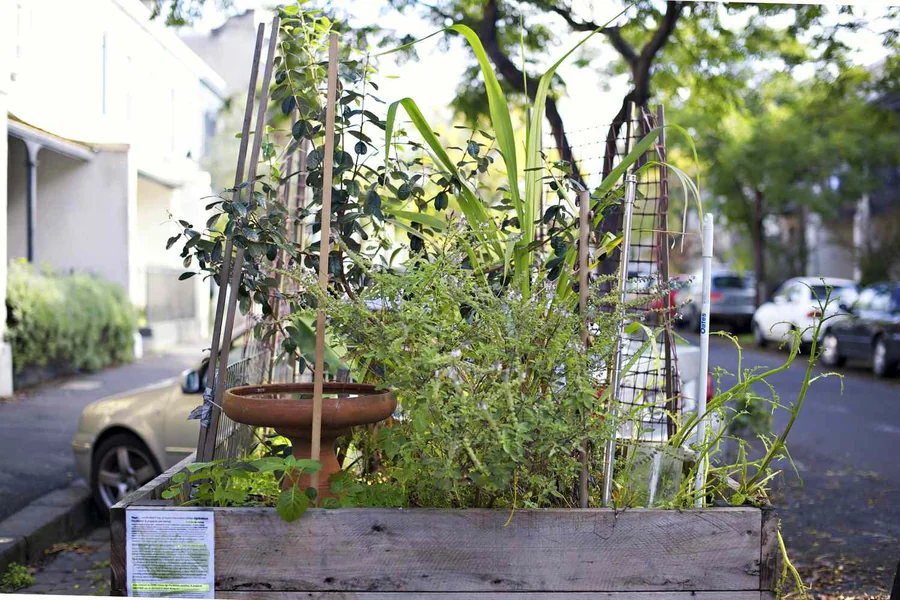
Container gardening is often the best alternative to traditional guerilla gardening. A planter can be placed with permission near a storefront, apartment building, school, or community space.
It is easier to manage, easier to move, and less likely to interfere with underground systems.
Read More: Mint Shortage
Mistakes People Make With Guerilla Gardening
These problems show up often, especially when enthusiasm moves faster than planning.
Planting without understanding the site. A bare patch may have compacted soil, underground utilities, contaminated ground, or a scheduled maintenance purpose. Observe first.
Using invasive plants. A fast-spreading plant may look helpful at first. Later, it can crowd out native species and become difficult to remove.
Choosing high-maintenance plants. Plants that need daily watering, rich soil, or frequent pruning rarely succeed in public-facing spaces.
Blocking access. Even a beautiful planting becomes a problem if it spills onto sidewalks, hides road signs, or narrows a pathway.
Ignoring local rules. Guerilla gardening can result in plants being removed. Permission may feel slower, but it often creates a project that lasts longer.
Planting food in poor locations. Vegetables and herbs can absorb contaminants from unsuitable ground. Use clean soil and approved locations for edible gardens.
Leaving litter behind. A planting project should improve a space. Take away empty seed packets, plastic pots, broken tools, and packaging.
Guerilla Gardening Options Compared
| Approach | Permission Needed | Best For | Maintenance Level | Main Consideration |
| Guerilla gardening in neglected soil | Often unclear or required | Small ornamental planting | Medium | Land ownership and site safety |
| Approved community garden | Yes | Food growing and shared beds | High | Requires coordination |
| Tree-pit planting program | Usually yes | Pollinator-friendly street planting | Medium | Protect tree roots and walkways |
| Container garden | Usually yes | Flexible small spaces | Medium | Needs regular watering |
| Balcony or window-box garden | No, within your home rules | Personal growing | Low to medium | Limited space |
| School or neighborhood planting day | Yes | Long-term community involvement | Medium | Needs organizers and supplies |
For many people, the most practical path is to take the energy behind guerilla gardening and direct it into a permitted local project. You still get the beauty, the pollinator value, and the community impact. You also have a better chance of seeing the plants thrive for years.
Ways to Support Greener Neighborhoods
You do not need to work alone to make a neighborhood greener. Small actions can build momentum.
- Ask a local café or shop about adopting a planter
- Join a cleanup day before proposing new planting
- Request a native plant bed through a community group
- Help maintain an existing public garden
- Offer seedlings to neighbors with suitable yards
- Start a container garden outside a permitted building entrance
- Support local pollinator habitat projects
- Encourage schools or clubs to create a supervised garden
The spirit behind guerilla gardening is often care for overlooked spaces. That same spirit can work through community action, permission-based projects, and shared responsibility.

How to Care for a Small Planting Project
A planting area does not need constant attention. It does need basic care during its first season.
Watering: Water slowly and deeply when the soil is dry. Early morning is usually best. Avoid leaving standing water.
Weeding: Remove weeds that crowd young plants. Leave harmless ground cover where it does not compete too strongly.
Mulching: A thin layer of natural mulch can reduce evaporation and limit weeds. Keep mulch away from stems.
Tidying: Pick up litter and remove dead material when needed. A tidy project is less likely to be mistaken for neglect.
Seasonal checks: At the end of a season, notice what survived. That information is valuable for future planting choices.
Read More: Best Soil for Vegetable Garden
Final Thoughts
The first thing in guerrilla gardening is a sentiment: A neglected area might be better. That’s a good gut reaction.
The best projects often aren’t necessarily large or spectacular. They are the ones that respect the space, use appropriate plants, do not create hazards, and are provided adequate care to ensure growth.
The reasons behind selecting guerrilla gardening, a sanctioned planter, or a community garden are the same. Do a little bit to leave your neighborhood greener than you found it.
FAQs:
Is guerilla gardening legal?
Guerilla gardening may be restricted because the land is often owned or managed by someone else. Rules vary by location, so permission is the safest option.
What is the purpose of guerilla gardening?
Guerilla gardening is usually done to improve neglected spaces, grow plants, support pollinators, add beauty, or encourage community care for local areas.
What plants are best for guerilla gardening?
Hardy native flowers and low-maintenance plants are often best. Choose non-invasive species that fit the local climate and do not block paths or views.
Can guerilla gardening help pollinators?
It can help when gardeners use locally suitable flowering plants. Native species that bloom across different seasons are especially useful for bees and butterflies.
Is it safe to grow food through guerilla gardening?
Food crops should only be grown in clean, approved soil. Avoid roadside, industrial, or potentially contaminated spaces because soil quality may be unknown.
What should I avoid planting in public spaces?
Avoid invasive plants, thorny shrubs near paths, tall plants that block visibility, toxic species, and plants that need constant watering or heavy maintenance.
What is a safer alternative to guerilla gardening?
A permitted community garden, tree-pit program, shared planter, school garden, or container garden can provide similar benefits with fewer legal and safety concerns.
How can I make a small planting project last?
Start small, use climate-suited plants, water during establishment, keep the space tidy, and return often enough to handle weeds, litter, and damaged plants.
About the Author