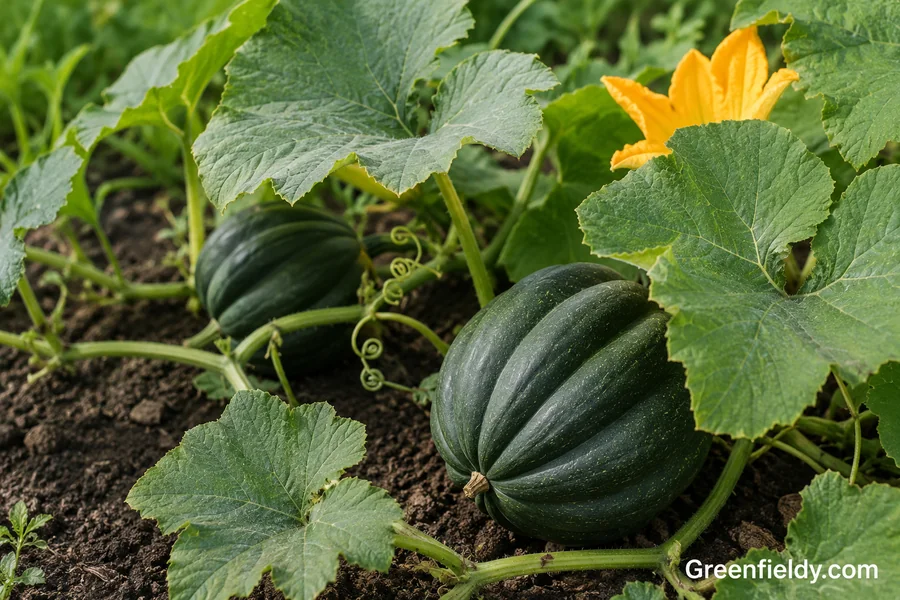
It may appear simple at first glance, but an acorn squash plant can be a challenge. You sow a seed, notice a few large leaves, and expect squash. This crop has its rhythm, though. Requires warm soil, ample space, regular watering, and pollination.
The bright side is that once planted and established, an acorn squash plant doesn’t require much care. It can provide you with dark green, small, store-bought squash for fall meals if it gets the proper start.
This guide takes you through the entire process. You will discover when to plant an acorn squash plant, how to take care of it, what problems may pop up and when the squash is ready to harvest
What an Acorn Squash Plant Actually Is
The acorn squash plant is a warm-season winter squash plant. Contrary to the name, winter squash is a summer crop. The term “winter” is used to designate the ability of the ripe fruit to hold up after harvest.
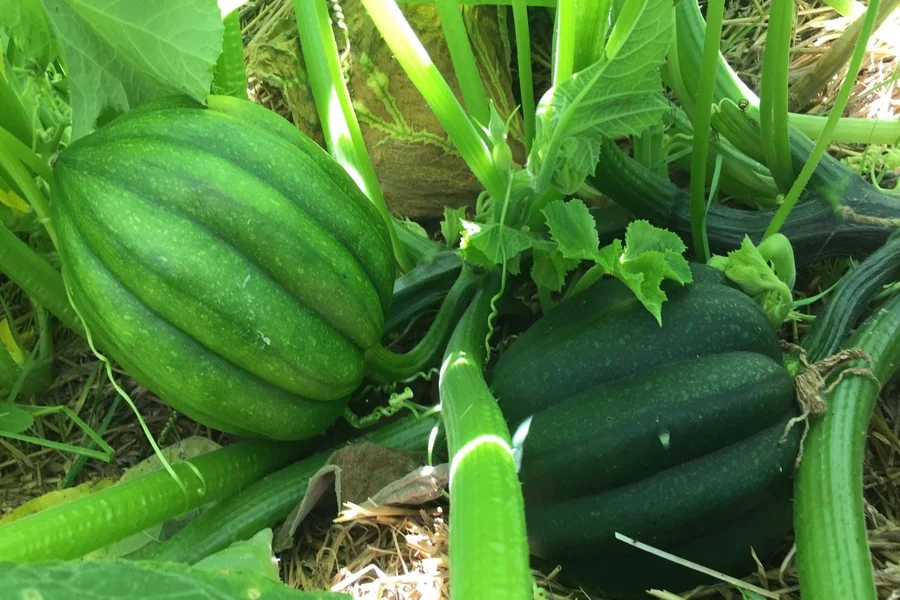
The majority of varieties of acorn squash are spreading vines. Others are more compact and better suited to small gardens or raised beds. The plant produces wide leaves, yellow blooms, long runners, and small ribbed squash, which are typically deep green when ripe.
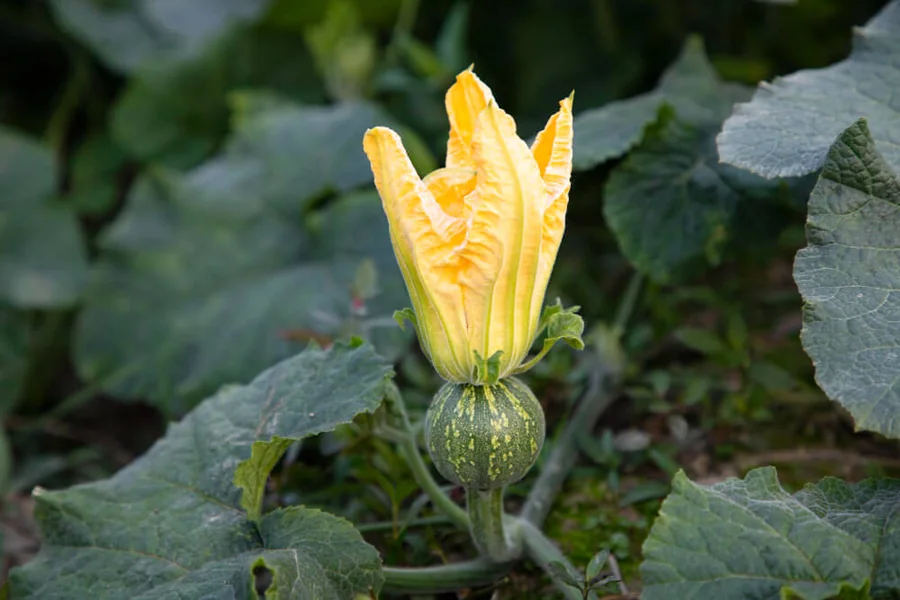
There are separate male and female flowers on an acorn squash plant. A male flower is borne on a thread-like stem. Behind the flower is a tiny squash shape (female flower). Pollen is transferred from these flowers to other flowers by bees. If that is not done, then the small fruit could turn yellow and drop off.
What an Acorn Squash Plant Needs to Grow
Nothing about an acorn squash plant is complicated. But it does need warmth and room. Cold soil, crowded roots, and dry conditions can slow it down fast.
Growing Factor |
Best Range or Requirement | Why It Matters |
| Sunlight | 6–8+ hours daily | Helps vines grow and fruit ripen |
| Soil temperature | At least 65°F | Seeds sprout better in warm soil |
| Soil type | Loose and well-draining | Prevents slow roots and standing water |
| Plant spacing | 2–3 feet between plants | Gives vines room and improves airflow |
| Row spacing | 5–6 feet between rows | Keeps sprawling vines manageable |
| Water | Deep and steady | Supports leaf growth and fruit formation |
| Growing season | About 80–100 days | Gives fruit enough time to mature |
Pick a spot that gets steady sun from morning through afternoon. An acorn squash plant can handle heat once established. It does not enjoy cold nights, soggy soil, or a cramped corner beside larger crops.
Mix compost into the planting area before you sow. You do not need to overfeed the soil. Too much nitrogen can give an acorn squash plant huge leaves and very little fruit.
How to Grow an Acorn Squash Plant
Step 1 — Choose the Right Site for an Acorn Squash Plant
Start with sun. The acorn squash plant requires an open location that allows the vines to spread freely from other plants like tomatoes, peppers, or herbs that may tend to climb.
Select a bed that has good drainage and loose soil. For areas that are prone to waterlogging for extended periods, create a small mound or raised bed. The roots require moisture, yet water shouldn’t be so heavy that they lack air.
Do not plant an acorn squash plant in a location that had a high incidence of disease with squash, cucumber, melon, or pumpkin in the previous year. Rotate crops for a cleaner start.
Step 2 — Warm the Soil Before Planting
Avoid planting an acorn squash plant too early in the cool season. It is never too late, even on a warm afternoon, to check the soil for readiness.
Delayed until frost is not in evidence and the soil is warm several inches below the surface. Black mulch or a garden cover may help to warm the soil in cool climates.
If an acorn squash plant is started in warm soil, it will catch up rapidly. If a plant gets started too early, it can remain in the same spot for weeks and be more susceptible to pests.
Step 3 — Plant the Seeds
Plant acorn squash plant seeds about three-fourths of an inch deep. Two to three seeds can be sown in a small hill, and the best seedling saved.
Space vine varieties at least 24-36 inches apart. Typically, bush types can be spaced more closely. Look at the seed packet—varieties differ.
Another option is to begin an acorn squash plant indoors 3-4 weeks before planting outdoors. If possible, use biodegradable pots. Squash roots don’t like to be disturbed.
Read More: Strawberry Shortage Explained
Step 4 — Water the Young Plants
Young acorn squash plants require water and moisture until they have established roots and foliage. Drip slowly at the base, not on the foliage.
Do not overwater; rather, water deeply. The aim is to wet the root zone and allow it to become slightly moist on the surface before the next watering.
Mulch helps a lot. Soil water can be maintained without fluctuation, and mud splashes can be avoided from reaching the leaves by using straw, dry leaves, or grass clippings that have not been treated. Mulch should be a few inches from the center of the acorn squash plant.
Step 5 — Feed the Vines Without Overdoing It
A plant of acorn squash is tolerant of composty soil. If vines appear to be slow in growth, apply a light side dressing of a balanced vegetable fertilizer when vines start running.
Try not to continue high-nitrogen fertilizing. Can give a look of impressiveness to an acorn squash plant and delay flowering and fruiting.
The simplest solution is the best:
-
Use compost as mulch prior to planting.
-
Only feed with a balanced fertilizer if necessary.
-
Water after feeding.
-
Reduce heavy feeding after fruit starts to develop.
Step 6 — Support Pollination
One of the main reasons the acorn squash plant is successful or unsuccessful is because of pollination. Flowers may appear prior to fruit. That is normal.
Male flowers may show up before female flowers. Female flowers are later and their sepals have a slight swelling behind the petals. Bees require both.
Avoid spraying insecticide on open flowers. Can be toxic to the pollinators your acorn squash plant needs. Bee activity can also be increased if flowers are planted around them.
If you observe small fruits forming and then dropping off, it could be due to poor pollination. The number of bee visits may be diminished in cool temperatures, heavy rain and very hot spells.
Step 7 — Watch the Fruit Mature
An acorn squash plant is easier to handle once fruit starts to grow. Continue dribbling during dry weather; be careful not to harm weeds and allow vines to do the work.
Straw, flat stones, or small boards can be used as support for developing fruit. This will keep the squash cleaner and may decrease the amount of contact with wet soil.
Don’t prune all vines. The fruit is nourished with leaves. Prune only diseased leaves or severely diseased areas.
Four Acorn Squash Plant Types Worth Knowing
Not every acorn squash plant grows the same way. Some sprawl across the garden. Others stay shorter and suit compact spaces.
Acorn Squash Plant Type |
Growth Habit |
Best For |
What to Expect |
Standard vining type |
Long trailing vines |
Large garden beds |
More room needed and strong production |
Bush type |
Compact growth |
Raised beds and small yards |
Easier to control but still needs sunlight |
Early-maturing type |
Faster fruit set |
Short growing seasons |
Harvests sooner than many standard types |
Disease-tolerant type |
Varies by variety |
Areas with recurring plant issues |
May handle common disease pressure better |
A vining acorn squash plant is usually the best choice when space is not a problem. A bush acorn squash plant is useful when your garden is small or you want cleaner rows.
For short growing seasons, look for an acorn squash plant variety with a lower days-to-maturity number. That extra time can make the difference between fully ripe squash and fruit that never hardens before cool weather arrives.
Read More: Kale Shortage
Mistakes People Make With an Acorn Squash Plant
Mistakes People Make With an Acorn Squash Plant
These are more frequent in problems than they should be.
Planting too early. A cold soil may inhibit growth and cause root trouble in an acorn squash plant. Wait for the temperature to become stable and warm.
Crowding the vines. Acorn squash plants can be easily underestimated for space requirements. Close clumping reduces airflow and difficulty in detecting pests.
Watering through the leaves. Wet leaves are not beneficial to the roots. Water around base of plants and do not drench foliage in the late evening.
Using too much nitrogen. Not all leafy acorn squash plants are high-yield. Fruit set and blooms may be delayed and limited with overfeeding.
Ignoring early pests. You can control squash bugs, cucumber beetles, and vine borers more easily if they are detected early. Inspect stems and the underside of leaves every few days.
Harvesting too soon. A soft rind indicates that the acorn squash plant is not at its end. Wait until the fruit is mature before cutting.
Growing Timeline for an Acorn Squash Plant
Plant Stage |
What You Will See |
What to Do |
Days 5–10 |
Seedlings emerge |
Keep soil lightly moist |
Weeks 2–4 |
Larger leaves form |
Thin weak seedlings and mulch |
Weeks 4–6 |
Vines begin spreading |
Check for pests and guide vines |
Weeks 6–8 |
Yellow flowers open |
Protect pollinators and water deeply |
Weeks 8–12 |
Fruit enlarges |
Keep moisture steady and lift fruit off wet soil |
Harvest period |
The rind becomes hard |
Cut mature squash before frost |
An acorn squash plant usually needs a long warm season. Most varieties take around 80 to 100 days from planting to harvest. Weather can speed up or slow down that schedule.
The plant may make more fruit than it can finish in a short season. Let the healthiest fruit stay on the vine. Remove damaged or rotting squash so the acorn squash plant can focus its energy where it matters.
What to Plant Near an Acorn Squash Plant
A few helpful garden neighbors can be accommodated along with the acorn squash plant. The fundamental principle is to not overcrowd it.
Other local options are:
-
Corn: These tall plants offer some structure and can form a classic garden combination.
-
Beans: When trained away from squash vines, they help to utilize vertical space.
-
Marigolds: They can attract pollinators and beneficial insects with their flowers.
-
Nasturtiums: Can attract additional pollinator activity and help establish themselves along the edge of the bed.
-
Radicchio: They mature rapidly and may be ready to harvest before the acorn squash plant becomes spread out.
Don’t grow an acorn squash plant too near to another vine crop of large size unless you have ample space. Pumpkins, melons, cucumbers, and zucchini can easily transform a tidy bed into a mess.
How to Store Acorn Squash After Harvest
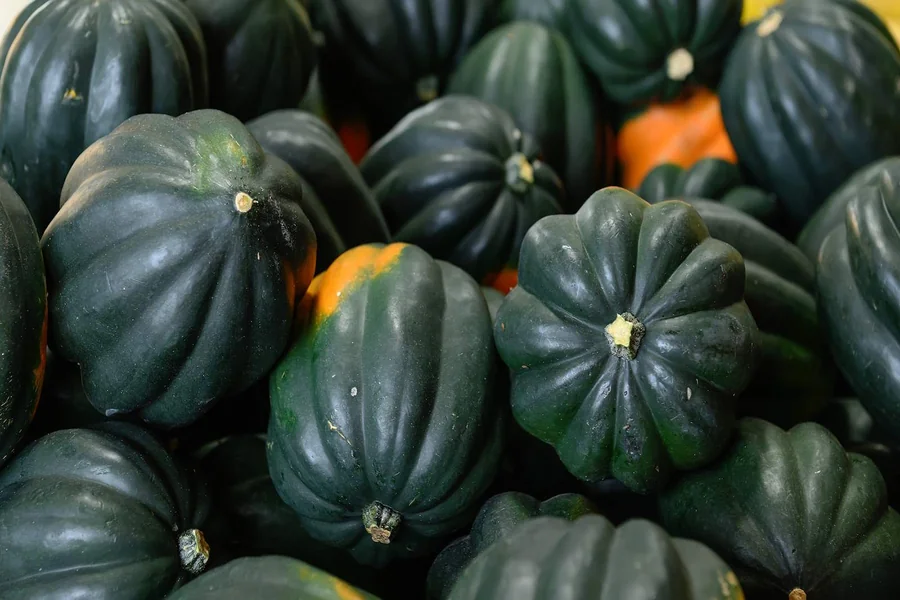
If frost is not a concern, harvest an acorn squash plant before it can mature. The rind should be firm, flat, and not be scratched by a fingernail.
Use clean pruners to cut the stem. Do not twist squash off the vine; leave a short piece attached. Removal of the fruit can cause damage to the stem end and reduce fruit keeping quality.
The following procedure is recommended to get the best results:
-
Remove excess dirt, but do not over wash squash.
-
Allow the squash to stay in a warm, dry place for a few days.
-
Look for soft spots, cuts, or insect damage.
-
Firm squash should only be stored with their rinds on.
-
Store them in a cool, dry, dark place with fresh air.
The acorn squash plant typically yields fruits, which will store for a shorter time than butternut or hubbard squash. Be sure to evaluate stored squash regularly and use fruit that is starting to soften.
Read More: Why Are Grapes So Expensive
Final Thoughts
An acorn squash plant requires heat, sunlight, room, and time. It is not one of the crops that you have to worry about every day. It just requires the proper circumstances from the outset.
Wait for the soil to warm to plant. Water deeply. Let pollinators work. Be alert for pests in early stages. Allow fruit to harden off before harvest.
Plant one acorn squash, and you’ll see why this is a garden fall favorite.
FAQs:
Q: How much sun does an acorn squash plant need?
An acorn squash plant grows best in full sun with at least six to eight hours of direct light each day.
Q: How many acorn squash can one plant produce?
A healthy acorn squash plant may produce several squash. The final number depends on variety, weather, soil, pollination, and pest pressure.
Q: Can an acorn squash plant grow in a container?
Yes. Choose a bush acorn squash plant variety and use a large container with strong drainage, rich soil, and full sun.
Q: Why are the flowers falling off my acorn squash plant?
Male flowers naturally drop after opening. Female flowers may drop when pollination is poor or the plant is under stress.
Q: Should I prune an acorn squash plant?
Prune only damaged, diseased, or severely crowded growth. Healthy leaves help an acorn squash plant make energy for ripening fruit.
Q: Why is my acorn squash plant making leaves but no squash?
Too much nitrogen, poor pollination, cool weather, or young plant age can delay fruit. Give it time and avoid overfeeding.
Q: When should I harvest acorn squash?
Harvest when the acorn squash plant has produced fruit with a hard rind that resists fingernail scratches and a dry-looking stem.
Q: Can acorn squash plant vines survive frost?
No. Frost damages an acorn squash plant quickly. Harvest mature fruit before the first hard frost in your area.
About the Author