Introduction to Wild Lettuce Look Alikes
Wild lettuce, commonly known as Lactuca virosa, has gained attention for its traditional use in herbal practices. However, one of the biggest challenges for beginners and even experienced foragers is correctly identifying it in the wild. Many plants resemble wild lettuce at different growth stages, leading to confusion and potential risks. Understanding Wild Lettuce Look Alikes is essential for safe identification and avoiding harmful mistakes.
Why Correct Identification Matters
Misidentifying plants is not just a minor inconvenience—it can be dangerous. Some Wild Lettuce Look Alikes may lack the desired properties, while others could be toxic. Since wild lettuce is often used for its milky sap and distinct leaf structure, confusing it with similar species can lead to ineffective or unsafe use. Accurate identification ensures both safety and effectiveness.
Key Features of True Wild Lettuce
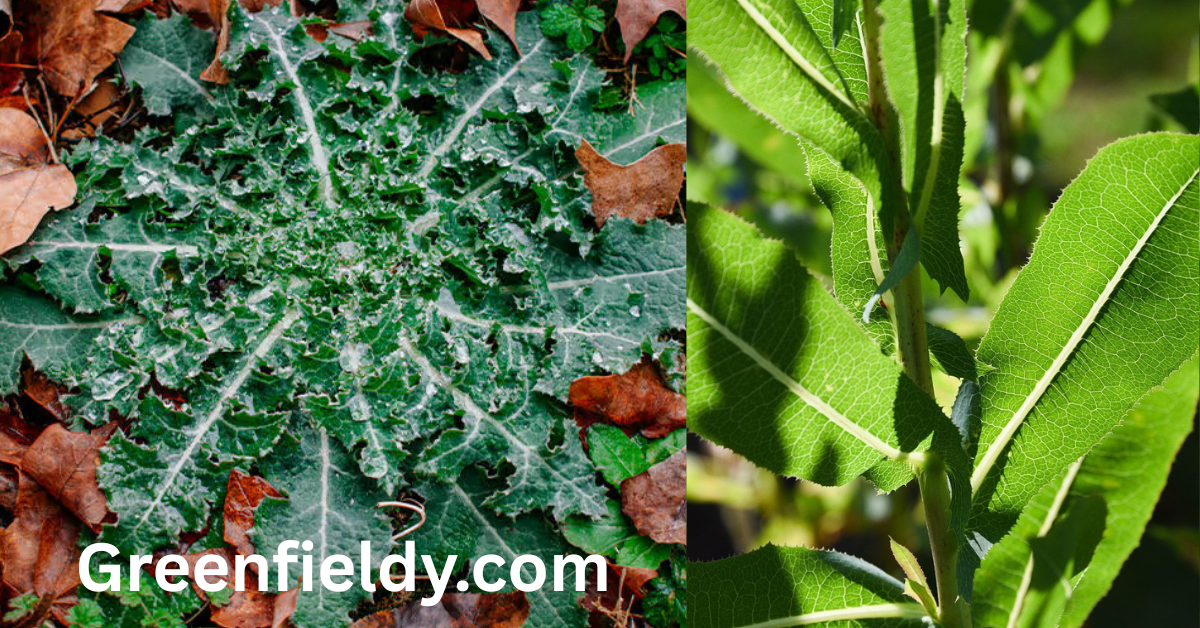
Before exploring Wild Lettuce Look Alikes, it’s important to recognize the defining traits of genuine wild lettuce:
- Tall, upright growth (often 3–6 feet)
- Pale green leaves with a slightly spiny underside along the midrib
- Milky white sap when stems or leaves are broken
- Small yellow flowers resembling dandelions
- A slightly bitter smell
These characteristics act like a “plant fingerprint,” helping distinguish it from similar species.
Common Wild Lettuce Look Alikes
Several plants are often mistaken for wild lettuce. Here are the most common ones:
Prickly Lettuce (Lactuca serriola)
This is the closest relative and often confused with wild lettuce. While it shares similar height and leaf shape, its leaves are more rigid and sharply toothed.
Sow Thistle (Sonchus oleraceus)
Sow thistle has soft, lobed leaves and yellow flowers, making it visually similar. However, its leaves are less spiny and more tender.
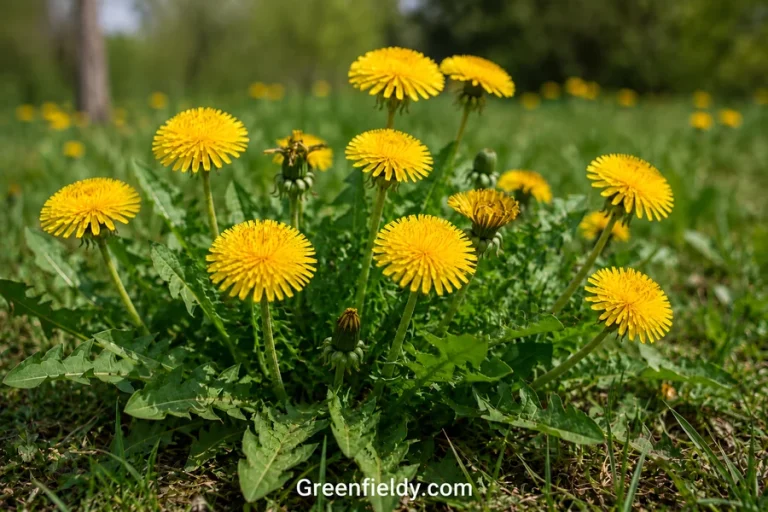
Dandelion (Taraxacum officinale)
Although smaller, young wild lettuce can resemble dandelion plants. The key difference lies in growth pattern—dandelions grow close to the ground, while wild lettuce grows tall.
Compass Plant (Silphium species)
This plant can mimic the tall structure of wild lettuce, but its leaves are thicker and lack the milky sap.
Each of these Wild Lettuce Look Alikes shares partial similarities but differs in crucial details.
How to Differentiate Wild Lettuce Look Alikes
To avoid confusion, focus on these comparison points:
- Sap Test: True wild lettuce produces a noticeable milky latex when cut
- Leaf Orientation: Some look alikes have differently aligned leaves, while wild lettuce leaves often twist vertically
- Spines: Check the underside of the leaf midrib for small spines
- Growth Height: Mature wild lettuce is typically taller than most similar plants
- Texture and Smell: Wild lettuce tends to have a slightly bitter scent
Using multiple identification markers together reduces the risk of mistakes.
Risks of Misidentifying Wild Lettuce Look Alikes
Relying on visual similarity alone can lead to incorrect conclusions. Some Wild Lettuce Look Alikes may cause mild digestive discomfort, while others simply lack any beneficial properties. The real issue is overconfidence—assuming a plant is safe without verifying key features. Always cross-check multiple characteristics before making a decision.
Faqs
1. What are Wild Lettuce Look Alikes?
Wild Lettuce Look Alikes are plants that closely resemble wild lettuce (Lactuca virosa) in appearance, especially in leaf shape, flower color, or growth pattern. These similarities can make identification difficult for beginners.
2. Why is it important to identify Wild Lettuce Look Alikes correctly?
Correct identification is crucial because some look alikes may not have the same properties as wild lettuce, and a few could even cause mild adverse effects. Proper knowledge helps ensure safe and accurate use.
3. What is the easiest way to distinguish wild lettuce from its look alikes?
The most reliable method is checking for milky white sap when the plant is cut, along with observing leaf spines on the underside and overall plant height.
4. Are all Wild Lettuce Look Alikes safe?
Not all of them are harmful, but they are not necessarily beneficial either. Some may be harmless weeds, while others might cause mild irritation or discomfort if used incorrectly.
5. Can beginners safely identify wild lettuce in the wild?
Yes, but beginners should proceed carefully. It’s recommended to study multiple identifying features and avoid relying on a single characteristic when comparing Wild Lettuce Look Alikes.
6. Do Wild Lettuce Look Alikes grow in the same areas as wild lettuce?
Yes, many look alikes grow in similar environments such as roadsides, fields, and disturbed soils, which increases the chances of confusion.
7. What should I do if I’m unsure about a plant’s identity?
If there is any doubt, do not use or consume the plant. Instead, consult a plant identification guide or an expert before making a decision.
Conclusion
Understanding Wild Lettuce Look Alikes is essential for anyone interested in plant identification or foraging. While many plants may appear similar at first glance, careful observation of sap, leaf structure, and growth patterns can help you tell them apart. Taking the time to learn these differences not only improves accuracy but also ensures safety when dealing with wild plants.
In the world of foraging, knowledge acts like a compass—guiding you away from mistakes and toward confident identification.
About the Author