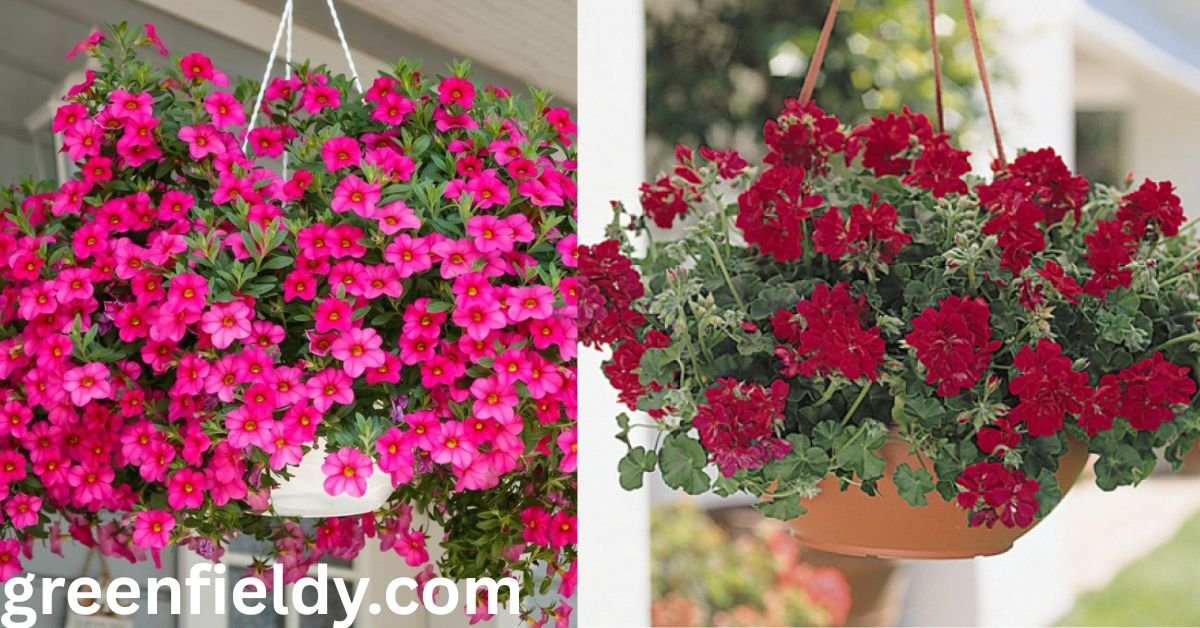
Full sun hanging plants are an excellent way to add color, texture, and life to balconies, patios, pergolas, and garden spaces that receive plenty of direct sunlight. Unlike shade-loving varieties, these plants thrive in bright conditions and often reward gardeners with abundant blooms and lush trailing growth. This guide covers everything you need to know about full sun hanging plants, from understanding sun exposure to long-term care, helping you make informed and practical choices.
What Are Full Sun Hanging Plants?
Full sun hanging plants are trailing or cascading plants that grow well in hanging baskets and containers while receiving at least six to eight hours of direct sunlight each day. These plants are naturally adapted to bright, open environments and often feature strong stems, vibrant flowers, or decorative foliage that can handle heat and light without stress.
They are commonly used to soften hardscapes, frame entrances, or create vertical interest in outdoor spaces where ground planting is limited.
Understanding Full Sun Conditions
Before choosing full sun hanging plants, it’s important to understand what “full sun” really means. Full sun refers to locations that receive uninterrupted sunlight for most of the day, especially during the stronger midday and afternoon hours.
Areas such as south-facing balconies, open patios, rooftops, and pergolas typically qualify as full sun locations. Plants grown in these spots must tolerate higher temperatures, faster soil drying, and intense light without wilting or scorching.
Benefits of Growing Full Sun Hanging Plants
Growing full sun hanging plants offers several advantages for both aesthetics and plant health. These plants often produce more flowers and stronger growth when exposed to adequate sunlight. Bright light encourages better branching, richer foliage color, and longer blooming periods.
Additionally, hanging plants help maximize space, making them ideal for small gardens or urban settings. They also improve airflow around the plant, reducing the risk of certain pests and diseases when properly maintained.
Popular Types of Full Sun Hanging Plants
There is a wide range of full sun hanging plants to choose from, depending on whether you prefer flowers, foliage, or a mix of both. Many flowering varieties are especially well-suited to sunny conditions and bloom continuously throughout the season.
Trailing plants with flexible stems are ideal for hanging baskets, as they naturally cascade downward. Some varieties are known for their drought tolerance, while others thrive with consistent moisture, making it important to match plant selection with your local climate and care routine.
Choosing the Right Hanging Containers
The success of full sun hanging plants depends not only on the plant itself but also on the container. Hanging baskets should have proper drainage holes to prevent waterlogging, which can be more damaging in hot conditions.
Lightweight materials such as plastic, resin, or lined wire baskets are often preferred because they retain moisture better than unlined metal or clay. The size of the container should allow enough room for root growth while holding sufficient soil to prevent rapid drying under intense sun.
Soil and Potting Mix Requirements
Full sun hanging plants perform best in a well-draining, nutrient-rich potting mix. A high-quality mix designed for containers helps retain moisture while allowing excess water to drain freely.
Adding organic matter improves soil structure and supports healthy root development. Because hanging baskets dry out faster than ground soil, the potting mix should balance drainage with moisture retention to protect plants during hot, sunny days.
Watering Needs in Full Sun
Watering is one of the most critical aspects of caring for full sun hanging plants. Due to increased sun exposure and airflow, hanging baskets can dry out quickly, sometimes requiring daily watering during peak summer.
The goal is to keep the soil evenly moist without oversaturating it. Early morning watering is often best, as it allows plants to absorb moisture before the heat of the day and reduces evaporation loss.
Fertilizing for Healthy Growth and Blooms
Because nutrients wash out of containers more quickly, full sun hanging plants benefit from regular feeding. A balanced, slow-release fertilizer can provide steady nutrition over time, while liquid fertilizers can be used for quicker results.
Consistent fertilization supports strong foliage growth and encourages continuous flowering, especially for blooming varieties that expend a lot of energy in bright sunlight.
Pruning, Maintenance, and Longevity
Regular maintenance helps full sun hanging plants stay attractive and healthy throughout the growing season. Pruning or pinching back long stems encourages bushier growth and prevents plants from becoming leggy.
Removing spent flowers, also known as deadheading, promotes new blooms and keeps the plant looking fresh. Occasional inspection for pests or stress signs ensures problems are addressed early.
Common Mistakes to Avoid with Full Sun Hanging Plants
One common mistake is underestimating how quickly hanging baskets dry out in full sun. Inconsistent watering can lead to stress, reduced flowering, or plant loss. Another issue is overcrowding, which limits airflow and root space.
Choosing plants that are not truly suited for full sun can also cause poor performance. Always match plant selection, container size, and care practices to the intensity of sunlight in your space.
Final Thoughts
Full sun hanging plants are a practical and visually appealing solution for bright outdoor areas. With the right plant selection, proper containers, and consistent care, they can thrive and transform sunny spaces into vibrant displays. By understanding their needs and avoiding common mistakes, you can enjoy healthy, long-lasting hanging plants that make the most of full sun conditions.
FAQs
1. What does “full sun” mean for hanging plants?
Full sun generally means the plant receives at least 6–8 hours of direct sunlight daily. Full sun hanging plants are specifically suited to tolerate strong light and higher temperatures without damage.
2. Can full sun hanging plants survive extreme heat?
Many full sun hanging plants can handle heat, but extreme temperatures may still cause stress. Proper watering, good-quality soil, and adequate container size help protect plants during heat waves.
3. How often should I water full sun hanging plants?
In warm and sunny conditions, watering may be needed once a day or every other day. The exact frequency depends on weather, container size, and plant type. The soil should stay moist but not soggy.
4. Are full sun hanging plants suitable for balconies?
Yes, full sun hanging plants are ideal for balconies, especially south- or west-facing ones. Hanging baskets make efficient use of vertical space and thrive when exposed to consistent sunlight.
5. Do full sun hanging plants need fertilizer?
Yes, because nutrients leach out of containers quickly, regular feeding is important. A balanced fertilizer supports healthy growth and encourages continuous blooming.
Conclusion
Full sun hanging plants are an excellent choice for gardeners looking to enhance bright outdoor spaces with color, movement, and natural beauty. When given the right amount of sunlight, water, and nutrients, these plants thrive and provide long-lasting visual appeal. Understanding their specific needs—such as proper containers, well-draining soil, and consistent care—makes a significant difference in their performance. By choosing suitable varieties and maintaining them correctly, full sun hanging plants can become a standout feature in any sunny garden, patio, or balcony.
About the Author