
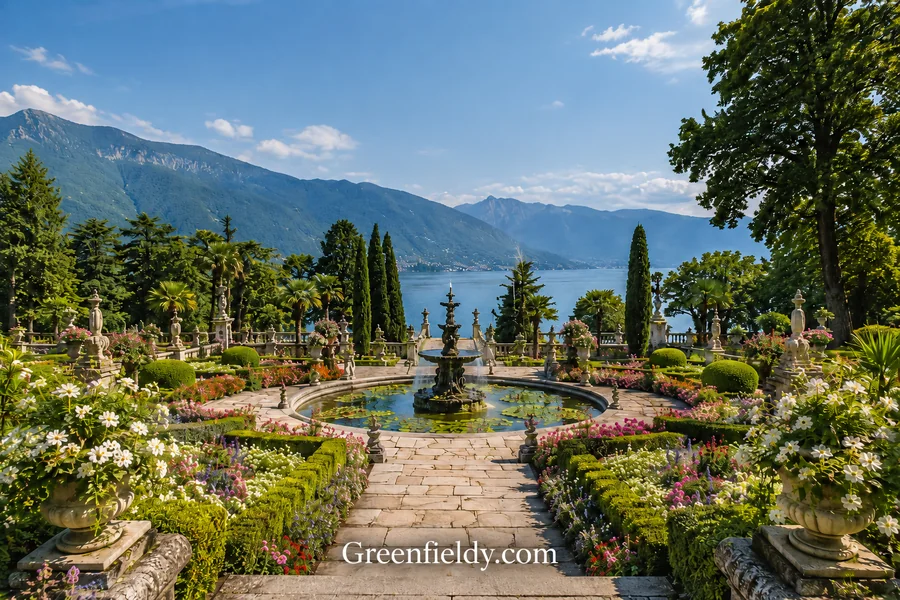
The garden has been a space of more than plants. They share information about culture, history, design & people and nature. The key characteristics of the true great gardens of the world are beauty, planning and heritage – all of which are enjoyed by visitors.
These destinations are available for inspiration on landscape design and preservation, from formal European gardens to tranquil Asian ones. We examine the real world’s great gardens and their characteristics, and their continuing appeal to gardeners, travellers and landscape architects over the generations.
What Are the True Great Gardens of the World?
The true great gardens of the world are historically important and visually remarkable gardens known for outstanding design, cultural value & horticultural excellence.
Examples include:
| Garden | Country | Known For |
| Versailles Gardens | France | Formal landscape design |
| Kew Gardens | England | Plant conservation |
| Keukenhof | Netherlands | Spring flower displays |
| Ryoan-ji | Japan | Zen rock garden |
| Butchart Gardens | Canada | Reclaimed landscape transformation |
| Villa d’Este | Italy | Renaissance fountains |
| Singapore Botanic Gardens | Singapore | Tropical plant collections |
Why the True Great Gardens of the World Matter
Great gardens are living works of art. Unlike buildings or monuments, they change with the seasons. Trees grow. Flowers bloom and fade. Landscapes evolve.
The true great gardens of the world matter because they:
- Preserve plant diversity
- Protect cultural heritage
- Inspire landscape design
- Support education and research
- Provide peaceful public spaces
- Encourage environmental awareness
Many of these gardens are also recognized as UNESCO World Heritage Sites or internationally important botanical collections.
Characteristics of the True Great Gardens of the World
Not every large garden becomes world-famous. The most respected gardens usually share several important traits.
1. Strong Design Vision
Every great garden follows a clear design concept.
Some emphasize symmetry. Others focus on natural forms. The design creates a memorable visitor experience.
2. Historical Significance
Many world-renowned gardens reflect important periods in history.
They may showcase:
- Renaissance design
- Victorian gardening traditions
- Japanese Zen principles
- Mughal landscaping
- Modern ecological approaches
3. Exceptional Plant Collections
The true great gardens of the world often contain rare species and extensive plant collections.
Botanical gardens especially play a key role in conservation efforts.
4. Lasting Influence
Great gardens influence future generations of designers and gardeners.
Their layouts and planting techniques are studied worldwide.
Famous Examples of the True Great Gardens of the World
Versailles Gardens, France
The Gardens of Versailles are still considered one of the most important landscapes that have ever been designed.
These gardens were designed in the 17th century by the famous landscape architect André Le Nôtre.
Some important aspects of the garden are:
- Geometrical designs
- Large fountains
- Large avenues
- Statues
- Reflecting pools
Most formal gardens today originate from Versailles.
Kew Gardens, England
Royal Botanic Gardens at Kew is a combination of science and learning about nature.
Key features are:
- Many varieties of plants
- Old glasshouses
- Programs for conserving plants
- Facilities for botany-related studies
Kew is still considered one of the foremost botanical gardens in the world.
Keukenhof, Netherlands
Known as the Garden of Europe, Keukenhof showcases millions of flowering bulbs every spring.
Visitors come from around the world to see:
- Tulips
- Daffodils
- Hyacinths
- Seasonal floral displays
Its annual displays have become a global symbol of spring gardening.
Ryoan-ji, Japan
The rock garden at Ryoan-ji demonstrates how simplicity can create lasting impact.
The garden contains:
- Carefully placed rocks
- White gravel
- Minimal planting
Its design encourages contemplation and reflection.
Butchart Gardens, Canada
The Butchart Gardens is a very impressive case of landscape rejuvenation.
Once a depleted limestone quarry, it now ranks among the most visited gardens in the world.
Notable gardens include:
- The Sunken Garden
- The Rose Garden
- The Japanese Garden
- The Italian Garden
Read Also: Snake Plant Yellow Leaves Causes, Fixes, and How to Save Your Plant
Garden Styles Found Among the World’s Greatest Gardens
Understanding garden styles helps explain why the true great gardens of the world look so different from one another.
| Style | Main Features |
| Formal Garden | Symmetry, order, geometry |
| English Landscape Garden | Natural appearance, rolling lawns |
| Japanese Garden | Simplicity, balance, symbolism |
| Botanical Garden | Plant collection and research |
| Renaissance Garden | Fountains, terraces, sculptures |
| Mughal Garden | Water channels and symmetry |
| Contemporary Garden | Modern materials and sustainable design |
Each style reflects the values of its culture and era.
How Great Gardens Influence Modern Landscaping
Famous gardens have inspired many of the present landscape designs.
Examples include:
Water Features
Reflecting pools and fountains are still in use due to historical gardens like Versailles and Villa d’Este.
Garden Rooms
The concept of creating distinct areas of the spa has existed for centuries.
Native Planting
Botanical institutions are a source of inspiration for modern sustainable gardening.
Seasonal Interest
Leading gardens showcase year-round attractiveness in gardens.
What Visitors Can Learn From the True Great Gardens of the World
A visit to a great garden provides more than visual enjoyment.
People often learn about:
- Plant selection
- Garden design
- Biodiversity
- Environmental stewardship
- Local history
- Cultural traditions
Many visitors return home with practical ideas for their own gardens.
Read Also: Do Deer Eat Vinca
Best Time to Visit Famous Gardens
Timing can significantly affect the experience.
| Garden Type | Best Season |
| Tulip Gardens | Spring |
| Rose Gardens | Late Spring to Summer |
| Japanese Gardens | Spring and Autumn |
| Botanical Gardens | Year-round |
| Tropical Gardens | Throughout the year |
| Formal European Gardens | Spring through Early Autumn |
Researching bloom schedules before visiting can improve the experience.
Conservation and the Future of Great Gardens
Climate change presents new challenges for gardens worldwide.
Many institutions are adapting through:
- Water conservation
- Plant research
- Seed banking
- Habitat restoration
- Sustainable maintenance practices
The true great gardens of the world have become more and more places of environmental learning.
This is no longer simply about aesthetics; these places also contribute to saving plants for posterity.
How to Create a Garden Inspired by the World’s Greatest Gardens
You do not need a large estate to apply principles from famous gardens.
Consider these ideas:
Focus on Structure
Use pathways, borders, and focal points to create organization.
Choose a Theme
A clear theme creates a stronger visual impact.
Include Seasonal Variety
Select plants that provide interest across multiple seasons.
Add a Focal Point
Examples include:
- Fountain
- Sculpture
- Pond
- Feature tree
Prioritize Maintenance
Even simple designs require ongoing care.
The best gardens balance beauty with practicality.
Common Features Shared by the True Great Gardens of the World
Here is a quick summary:
| Feature | Why It Matters |
| Strong Design | Creates visual harmony |
| Historic Value | Preserves cultural heritage |
| Plant Diversity | Supports conservation |
| Visitor Experience | Encourages education |
| Seasonal Interest | Maintains year-round appeal |
| Lasting Influence | Inspires future generations |
Final Thoughts
True great gardens of the world are among the greatest examples of mankind’s excellence in designing gardens. By merging art, science, culture, and nature, these gardens have managed to continue inspiring millions of people every year.
From the grandiosity of Versailles, the scientific value of Kew Gardens, to the beauty of Keukenhof and the simplistic nature of Ryoan-ji, all these gardens provide a different angle regarding the way humans can create beautiful gardens from the nature around them.
Not only do these gardens impress through their stunning nature, but they also manage to be educational and historically significant as well.
FAQs:
What are the true great gardens of the world?
The true great gardens of the world are internationally recognized gardens known for exceptional design, historical importance, cultural value & plant collections.
What is the most famous garden in the world?
The Gardens of Versailles in France are often considered among the most famous due to their scale, design influence & historical significance.
Why are botanical gardens important?
Botanical gardens help conserve plant species, support scientific research, educate the public & preserve biodiversity.
What makes a garden world-class?
A world-class garden typically combines outstanding design, strong maintenance, historical importance, visitor appeal & environmental value.
Can visitors tour the true great gardens of the world?
Yes. Most famous gardens welcome visitors and offer guided tours, educational programs & seasonal events.
Which country has the most famous gardens?
Several countries are known for exceptional gardens, including France, England, Japan, Italy, the Netherlands, Canada, and Singapore.
How do great gardens influence home gardening?
They inspire planting ideas, garden layouts, water features, seasonal design strategies, and sustainable landscaping practices.
Are the true great gardens of the world protected?
Many are protected through national heritage programs, conservation organizations, and UNESCO World Heritage recognition.
Read Also: Cherry Season in Florida
About the Author