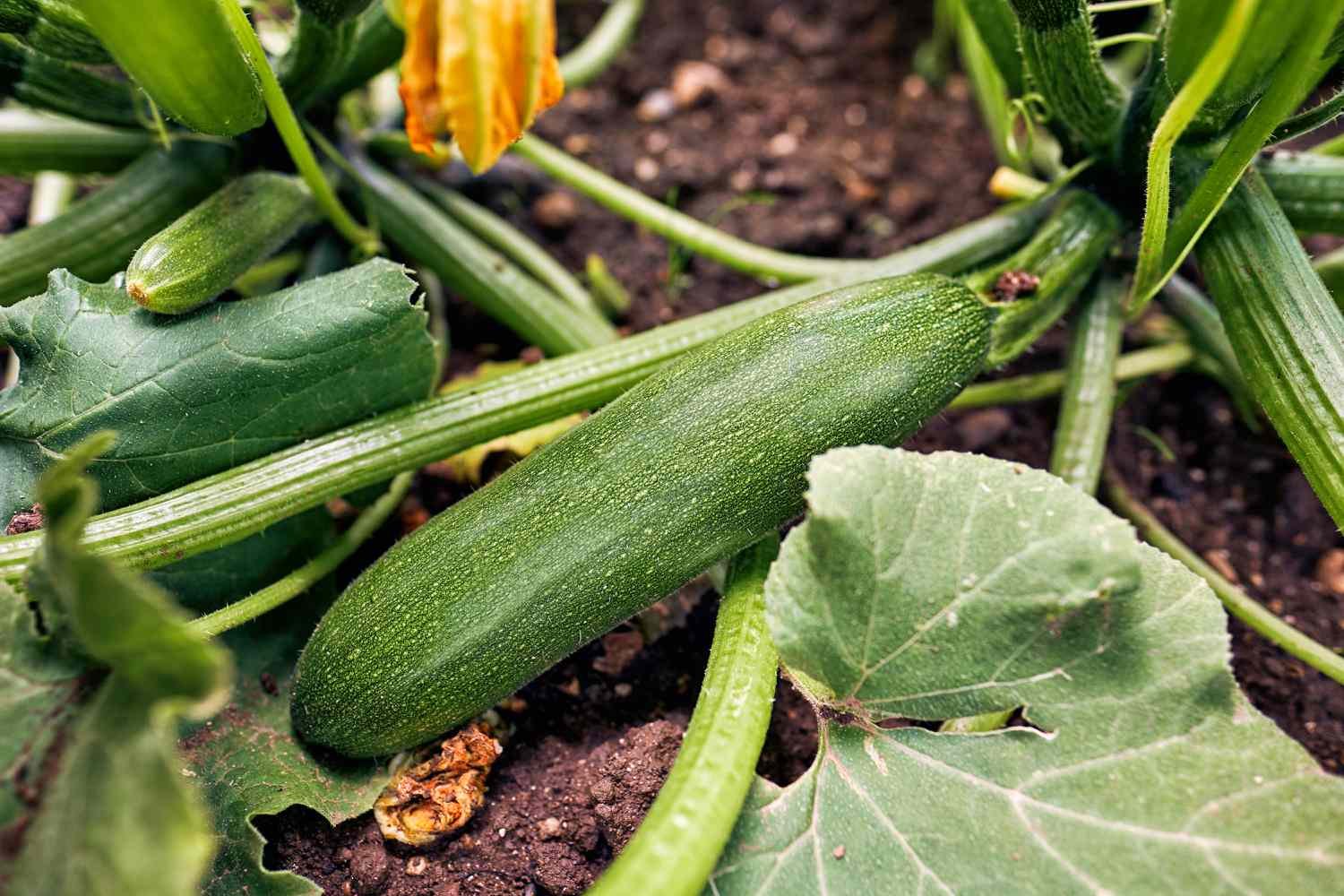
Zucchini is one of the most rewarding vegetables to grow, known for its fast growth and generous harvests. But if you really want to maximize your yield and keep your plants healthy, companion planting is the secret weapon many gardeners overlook.
Companion planting involves growing certain plants together to improve growth, repel pests, and make better use of space. When done right, it creates a more balanced, natural garden ecosystem—reducing the need for chemicals and extra maintenance.
In this guide, you’ll learn the best zucchini companion plants, what to avoid, and how to design a thriving garden around this popular summer squash.
Why Companion Planting Matters for Zucchini
Zucchini plants are heavy feeders and sprawling growers. They need plenty of nutrients, sunlight, and airflow. At the same time, they are vulnerable to pests like squash bugs, aphids, and vine borers.
The right companion plants can:
- Attract pollinators for better fruit production
- Repel or distract harmful insects
- Improve soil health
- Save space in your garden
Best Companion Plants for Zucchini
1. Flowers That Protect and Attract
Marigolds
These bright flowers are more than decorative. They help repel harmful insects like aphids and beetles while also improving soil health.
Nasturtiums
Often used as a trap crop, nasturtiums attract pests away from zucchini. Aphids and squash bugs tend to prefer them, leaving your main plant safer.
Borage
Borage is excellent for attracting bees and other pollinators. Better pollination leads to higher yields and healthier fruit.
2. Helpful Herbs
Basil
Basil is believed to repel pests while enhancing the growing environment. It’s also a practical choice since it pairs well in the kitchen with zucchini.
Oregano
A low-growing herb that acts as a living mulch. It helps suppress weeds and may deter pests.
Mint (Peppermint)
Mint can discourage ants and beetles. However, it spreads aggressively, so it’s best grown in containers near your zucchini rather than directly in the soil.
3. Beneficial Vegetables
Corn
Tall corn plants provide light shade and protection from strong winds, which can benefit zucchini in hotter climates.
Beans
Beans enrich the soil by fixing nitrogen, which zucchini plants need for strong growth.
Radishes
Radishes may help deter squash vine borers and other underground pests.
Carrots
Carrots grow underground and don’t compete much with zucchini, making them a good space-sharing partner.
Plants to Avoid Near Zucchini
Not all plants make good neighbors. Some can stunt growth, compete for nutrients, or attract the same pests.
Potatoes
They compete heavily for nutrients and can increase the risk of disease.
Fennel
Fennel releases compounds that inhibit the growth of many plants, including zucchini.
Other Sprawling Squash
Planting zucchini too close to pumpkins or other squash varieties can lead to overcrowding and increased disease risk.
Tips for Successful Companion Planting
- Give zucchini space: These plants spread widely, so avoid overcrowding.
- Encourage pollinators: Bees are essential for zucchini fruit production.
- Water consistently: Companion plants should not compete excessively for water.
- Rotate crops yearly: This helps prevent soil-borne diseases and nutrient depletion.
Frequently Asked Questions (FAQs)
1. What grows best next to zucchini?
Plants like beans, corn, marigolds, and basil grow well next to zucchini because they either improve soil health, repel pests, or attract pollinators.
2. Can I plant zucchini with tomatoes?
Yes, zucchini and tomatoes can grow together, but they both need space and nutrients. Make sure they are not overcrowded and receive enough sunlight.
3. What keeps bugs away from zucchini?
Companion plants like marigolds, nasturtiums, and mint can help repel or distract pests such as aphids and squash bugs.
4. How much space does zucchini need?
Zucchini plants typically need about 2–3 feet of space between each plant to grow properly and maintain good airflow.
5. Can zucchini and cucumbers be planted together?
It’s possible, but not ideal. Both belong to similar plant families and can attract the same pests, increasing the risk of infestation.
6. Why is my zucchini plant flowering but not producing fruit?
This is usually due to poor pollination. Planting flowers like borage nearby can help attract pollinators and improve fruit set.
Conclusion
Companion planting is a simple yet powerful way to improve your zucchini harvest naturally. By choosing the right plant partners—like flowers that repel pests, herbs that protect, and vegetables that enrich the soil—you can create a healthier and more productive garden.
At the same time, avoiding incompatible plants helps prevent common issues like nutrient competition and disease spread. With a little planning, your zucchini plants can thrive alongside their companions, rewarding you with abundant, high-quality produce all season long.
Whether you’re a beginner or an experienced gardener, incorporating companion planting into your strategy is a smart step toward a more sustainable and successful garden.
About the Author