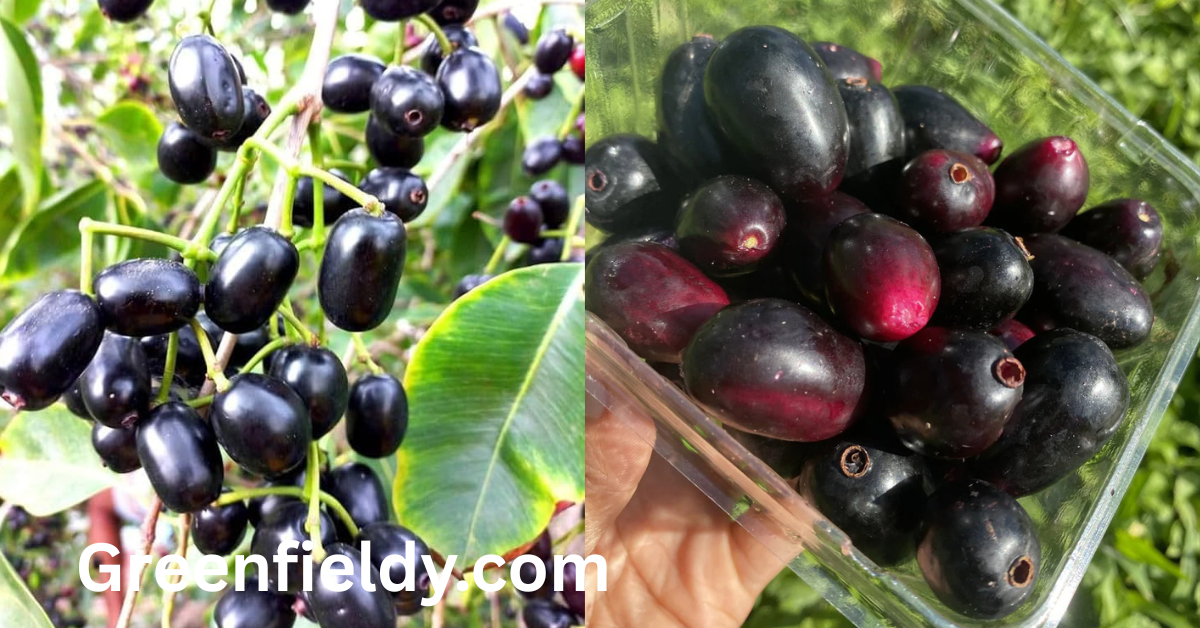
Java plum, commonly known as jamun in South Asia, is a beloved seasonal fruit that holds both culinary and medicinal importance. Its deep purple color, tangy-sweet taste, and cooling effect make it a summer favorite in countries like India, Pakistan, Bangladesh, and Sri Lanka. Beyond taste, it is also widely used in traditional medicine systems for managing digestion and blood sugar levels.
In recent years, however, many local markets and consumers have started noticing a java plum shortage during peak season or a sudden drop in availability compared to previous years. Prices fluctuate sharply, supplies vanish quickly, and vendors often struggle to keep up with demand.
This article explores everything you need to know about the java plum shortage—what is really happening, why it is happening, how it impacts farmers and consumers, and what the future may hold.
Understanding the Java Plum Shortage
A java plum shortage does not mean that the fruit has stopped growing or disappeared entirely. Instead, it refers to a market imbalance where demand is higher than supply during certain periods or in certain regions.
This shortage shows up in several ways:
- Fruit sells out quickly in local markets
- Prices increase sharply within a short time
- Shorter selling seasons than usual
- Uneven supply across cities and rural areas
- Reduced quality or smaller fruit sizes
Since jamun is a seasonal fruit with a short harvest window, even small disruptions in farming, weather, or transportation can cause noticeable shortages.
Why Java Plum Is So Special
Before understanding the shortage, it is important to know why demand for java plum remains consistently high.
Java plum is valued for:
- Its refreshing sweet and sour taste
- Cooling effect during hot summer months
- Rich antioxidant content
- Traditional use in Ayurveda and herbal medicine
- Seeds used in natural remedies for blood sugar control
Because of these benefits, demand spikes every summer season, especially in urban areas where health-conscious consumers actively seek seasonal fruits.
Also Read papaya shortage
Major Causes of Java Plum Shortage
The shortage is not caused by one single factor. Instead, it is the result of multiple agricultural, environmental, and economic challenges.
1. Extremely Short Harvest Season
One of the biggest reasons behind the shortage is the very short harvesting period of java plum.
In most regions, jamun is available only for 4 to 8 weeks per year. Once this period ends, fresh supply disappears almost completely.
This short window creates:
- Sudden demand surge
- Rapid market exhaustion
- Heavy pressure on farmers and vendors
Unlike fruits that can be stored or harvested year-round, java plum has a very limited production cycle, making it naturally scarce.
2. Climate and Weather Instability
Java plum trees grow well in tropical climates, but they are still sensitive to weather changes.
In recent years, farmers have reported:
- Irregular rainfall during flowering season
- Heatwaves affecting fruit development
- Sudden storms damaging trees and dropping fruit prematurely
- Drought conditions reducing fruit size and yield
Climate instability directly affects flowering and fruit formation. If flowering is disrupted, the entire season’s yield drops significantly.
3. High Post-Harvest Losses
Java plum is highly perishable. Once harvested, it begins to soften and spoil quickly.
Without proper storage systems, a large portion of the harvest is lost due to:
- Over-ripening within days
- Lack of cold storage facilities in rural areas
- Damage during transportation
- Poor packaging techniques
In many regions, farmers are forced to sell quickly at low prices to avoid losses, which creates supply pressure in markets.
4. Limited Commercial Farming
Although java plum trees grow widely in rural and wild areas, large-scale commercial cultivation is still limited.
Most production comes from:
- Backyard trees
- Small farms
- Natural forest areas
This leads to inconsistent supply because:
- There is no centralized production system
- Harvest volumes vary each year
- No structured farming investment in many regions
Because of this, supply cannot easily scale up even when demand increases.
5. Aging Trees and Irregular Yield
Java plum trees have a natural fruiting pattern that is not always stable.
Common issues include:
- Some trees producing fruit heavily one year and lightly the next
- Older trees reducing productivity over time
- Lack of proper pruning and maintenance in rural areas
This irregular behavior leads to unpredictable harvest volumes, which contributes to market shortages.
6. Rising Demand and Urban Consumption
In recent years, demand for java plum has increased significantly due to:
- Health and wellness trends
- Growing popularity of natural remedies
- Increased consumption in urban markets
- Social media influence promoting seasonal fruits
However, production has not grown at the same pace. This mismatch between supply and demand leads to temporary shortages every season.
7. Transportation and Market Inefficiencies
Even when harvest is good, distribution can still create shortages.
Challenges include:
- Poor rural road infrastructure
- Lack of refrigerated transport
- Middlemen controlling supply chains
- Delays in reaching urban markets
Because java plum spoils quickly, even short delays can reduce market availability.
Impact of Java Plum Shortage
The shortage affects multiple groups, from farmers to consumers and businesses.
1. Rising Prices for Consumers
When supply drops, prices increase quickly. In many cities, java plum prices fluctuate heavily during peak season.
Consumers often experience:
- Sudden price hikes within days
- Higher cost per kilogram compared to previous years
- Limited bargaining power in retail markets
2. Shortened Availability Window
In the past, java plum season felt longer in many regions. Today, it is becoming shorter because:
- Harvest is sold out faster
- Demand is higher
- Supply reaches urban markets quickly
As a result, many people miss the season entirely.
3. Losses for Farmers and Vendors
Farmers often face a difficult situation:
- Quick spoilage forces immediate sale
- Prices drop when supply is high
- Transportation losses reduce profit
Vendors also struggle with inventory management since unsold fruit cannot be stored for long.
4. Impact on Herbal and Food Industries
Java plum is used in:
- Juices and beverages
- Herbal powders and extracts
- Traditional medicines
- Health supplements
Shortages affect production consistency, forcing companies to either import or switch to alternatives.
5. Shift to Processed Products
Because fresh fruit is unstable, there is increasing demand for:
- Jamun juice
- Dried fruit powder
- Seed extracts
- Preserved syrups
However, processing capacity is still developing in many regions.
Is the Java Plum Shortage Permanent?
The shortage is not permanent, but it is recurring and seasonal.
It happens due to natural factors like:
- Short harvesting window
- Climate sensitivity
- High perishability
- Uneven farming practices
So while the fruit is not disappearing, its availability will continue to fluctuate every year.
Efforts to Improve Supply
Several steps are being taken to reduce shortages in the long term.
1. Improved Farming Techniques
Farmers are adopting:
- Better pruning methods for higher yield
- Nutrient management systems
- Pest and disease control strategies
- Improved irrigation systems
These help increase productivity per tree
2. Post-Harvest Technology
Efforts are being made to reduce waste through:
- Cold storage development
- Better packaging materials
- Faster transport systems
- Controlled ripening techniques
This can significantly reduce losses.
3. Value-Added Products
To reduce dependency on fresh fruit availability, industries are focusing on:
- Jamun juice concentrates
- Dried powders
- Medicinal extracts
- Shelf-stable products
This helps extend usability beyond the short season.
4. Expansion of Cultivation
Some agricultural programs are encouraging:
- Plantation of java plum in new regions
- Agroforestry integration
- Better distribution of fruit-bearing trees
This may help stabilize long-term supply.
Future Outlook of Java Plum Market
The future of java plum supply is expected to be:
- More structured in urban markets
- Better supported by processing industries
- Still seasonal but more efficiently managed
- Slightly more expensive due to rising demand
However, complete year-round availability is unlikely due to the natural characteristics of the fruit.
FAQs
1. Why is java plum only available for a short time?
Because it is a seasonal fruit that grows and ripens only during specific summer months.
2. Why is java plum getting more expensive?
Due to rising demand, limited supply, and high post-harvest losses.
3. Can java plum be stored for long periods?
Fresh fruit cannot be stored for long, but processed forms like juice and powder can last longer.
4. Does weather affect java plum production?
Yes, rainfall, heat, and storms can significantly impact flowering and yield.
5. Is the shortage happening every year?
Yes, but severity varies depending on climate and regional harvest conditions.
6. What can replace java plum in the diet?
Fruits like berries, grapes, and pomegranate offer similar antioxidant benefits.
Conclusion
The java plum shortage is a recurring seasonal issue driven by a combination of natural limitations, climate variability, limited commercial farming, and rising consumer demand. While it does not indicate a long-term disappearance of the fruit, it does highlight how fragile seasonal fruit supply chains can be.
Java plum will continue to remain an important summer fruit in many regions, but its availability will always depend on nature’s timing. With improved farming practices, better storage systems, and increased awareness of value-added products, the impact of shortages can be reduced in the future.
For consumers, this means one thing: enjoy java plum while it lasts—because its short season is exactly what makes it special every year.
Also Read Dragon Fruit shortage
About the Author