
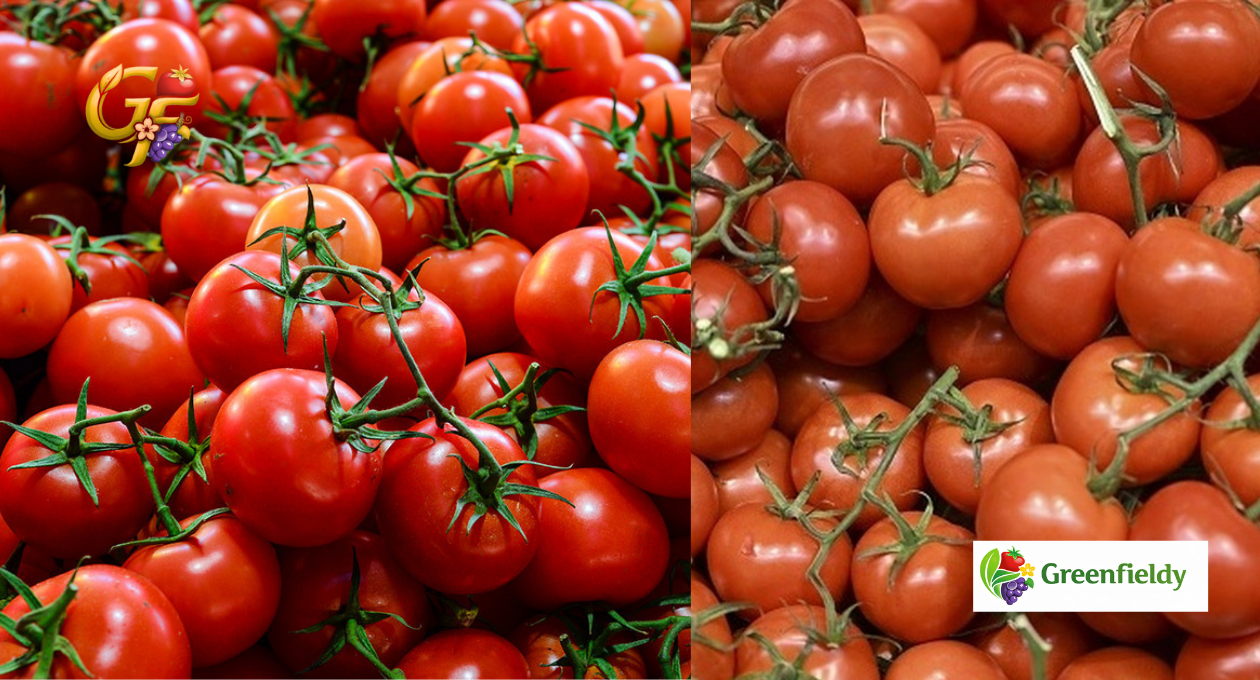
Tomatoes are among the most recognizable fruits in the world, known for their round shape, smooth skin, and bright red color. Although commonly used as vegetables in cooking, tomatoes are botanically fruits. What’s fascinating is that several other fruits closely resemble tomatoes in appearance—sometimes so much that they can easily be mistaken at first glance.
These tomato lookalikes may share similar color, size, or shape, but they differ greatly in taste, texture, and usage. Let’s explore some of the most interesting fruits that look like tomatoes and what makes each of them unique.
Why Do Some Fruits Look Like Tomatoes?
Many fruits resemble tomatoes due to shared plant genetics, environmental conditions, and evolutionary traits. Bright red and orange colors help attract animals for seed dispersal, while rounded shapes protect seeds. Some of these fruits even belong to the same botanical family as tomatoes—the Solanaceae (nightshade) family—explaining their strong resemblance.
1. Persimmon

Persimmons, especially varieties like Fuyu, closely resemble tomatoes with their smooth, glossy skin and vibrant orange-red color. However, their flavor is completely different. Persimmons are sweet, rich, and slightly honey-like, making them a popular dessert fruit rather than a savory ingredient.
2. Tamarillo (Tree Tomato)

Often called the “tree tomato,” tamarillo looks like an elongated tomato and even shares a mildly tangy taste. It grows on small trees instead of vines and offers a unique blend of sweet and tart flavors. Tamarillos are commonly used in sauces, chutneys, and juices.
3. Rose Apple

Rose apples have a shiny surface and can appear red or pink, giving them a tomato-like appearance. Unlike tomatoes, they are crisp, watery, and mildly sweet with a subtle floral note. They are refreshing and typically eaten fresh.
4. Cape Gooseberry (Physalis)

Cape gooseberries are small, round, golden-orange fruits hidden inside a papery husk. Once peeled, they resemble tiny tomatoes. Their flavor is tangy and slightly sweet, often used in desserts, salads, or as garnishes.
5. Ground Cherry Fruits That Look Like a Tomato

Closely related to tomatoes, ground cherries look like small yellow tomatoes when removed from their husk. They have a sweet, tropical flavor often compared to pineapple or mango, making them popular in snacks and desserts.
6. African Eggplant (Garden Egg)

African eggplants closely resemble tomatoes in size, shape, and sometimes color. They can be red, orange, or yellow and are widely used in African cuisine. Despite their appearance, they have a firmer texture and a slightly bitter taste.
Key Differences Between Tomatoes and Their Lookalikes
While these fruits may appear similar, their differences become clear when you taste them. Tomatoes are typically juicy and slightly tangy, making them ideal for savory dishes. In contrast, many tomato-like fruits are sweet, tropical, or floral in flavor.
Another key difference is how they grow. Tomatoes grow on vines, while some lookalikes grow on trees or bushes.
FAQs
1. Are tomatoes fruits or vegetables?
Tomatoes are botanically fruits because they develop from the flower of a plant and contain seeds, but they are commonly used as vegetables in cooking.
2. Which fruit looks most like a tomato?
Persimmons and tamarillos are among the closest lookalikes due to their shape, color, and smooth skin.
3. Is tamarillo the same as a tomato?
No, tamarillo is a different fruit, although it belongs to the same family. It has a more complex sweet and tangy flavor.
4. Are tomato lookalike fruits safe to eat?
Most listed fruits are safe to eat when ripe. However, proper identification is important, especially with wild fruits.
5. Why do many fruits turn red like tomatoes?
Bright colors attract animals and birds, helping with seed dispersal.
Conclusion
Nature often blurs the lines between fruits, and tomatoes are a perfect example. From sweet persimmons to tangy tamarillos, many fruits mimic the tomato’s familiar look while offering completely different flavors and uses.
Exploring these tomato lookalikes not only helps avoid confusion but also introduces you to a wider variety of delicious and unique fruits. So next time you see something that looks like a tomato, take a closer look—you might discover something new and exciting.
About the Author