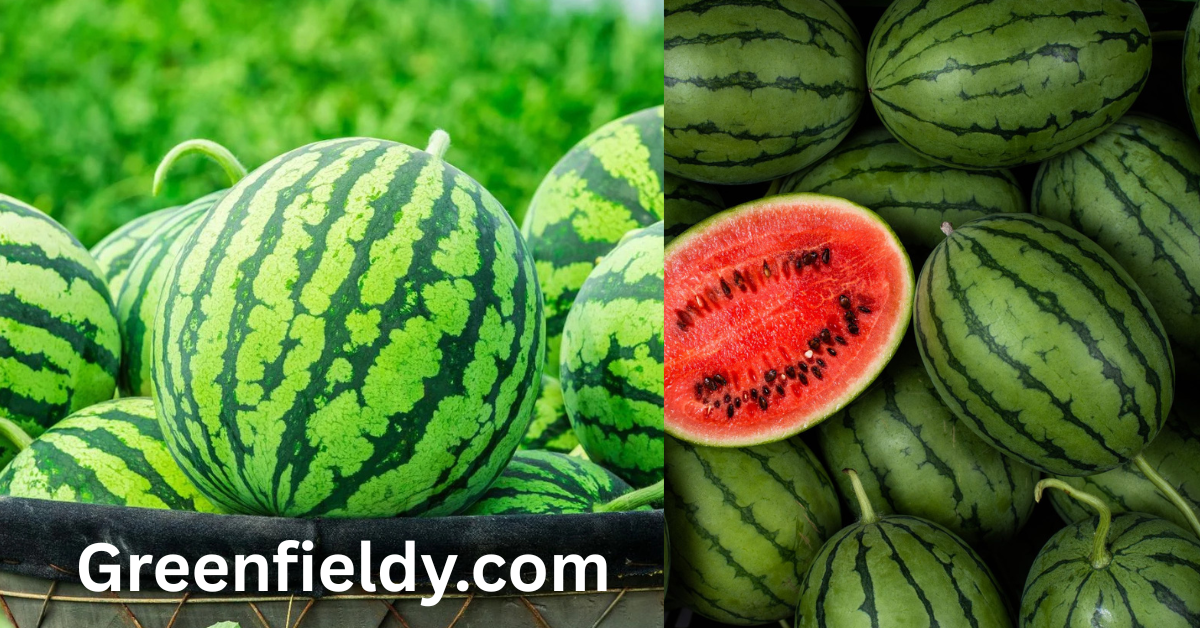
Growing watermelons can be one of the most satisfying experiences for gardeners. Watching a tiny seed transform into a large, juicy fruit feels almost unbelievable. However, successful growth depends on understanding the different watermelon growing stages and giving plants proper care throughout the season.
Each stage of watermelon development is important. From seed germination to fruit ripening, watermelon plants require the right balance of sunlight, water, nutrients, and temperature. Knowing what happens during each phase can help gardeners avoid common mistakes and improve fruit quality.
This complete guide explains all watermelon growing stages in detail, including how long each stage lasts, what the plants need, and how to encourage healthier growth.
Stage 1: Seed Germination
The first phase in watermelon growing stages begins with seed germination. This is when the seed absorbs moisture and starts developing roots and shoots.
Ideal Conditions for Germination
Watermelon seeds grow best in warm soil. Temperatures between 70°F and 95°F encourage faster sprouting. If the soil is too cold, seeds may rot or fail to germinate.
Most gardeners plant watermelon seeds after the final frost when the ground becomes consistently warm.
How Long Germination Takes
Under proper conditions, watermelon seeds usually germinate within 5 to 10 days. During this time, the soil should remain moist but not overly wet.
Healthy germination is the foundation for all later watermelon growing stages, so early care is extremely important.
Stage 2: Seedling Development
Once sprouts appear above the soil, the plants enter the seedling stage. This is one of the most delicate watermelon growing stages because young plants are highly sensitive to stress.
Early Leaf Formation
Seedlings first produce two small leaves called cotyledons. Shortly after, true leaves begin to grow. These leaves help the plant absorb sunlight and continue developing.
At this stage, watermelon plants need:
- Full sunlight
- Warm temperatures
- Light but regular watering
- Protection from pests
Common Seedling Problems
Young watermelon plants are vulnerable to insects, poor drainage, and sudden temperature drops. Overwatering can also weaken seedlings and encourage disease.
Providing stable conditions helps plants transition successfully into the next stage of growth.
Stage 3: Vine Growth Stage
The vine growth phase is one of the fastest watermelon growing stages. Once the root system strengthens, the plant starts producing long vines that spread rapidly across the ground.
Rapid Plant Expansion
Watermelon vines can grow several feet within a short period. Large leaves develop to absorb sunlight and fuel future fruit production.
This stage requires:
- Plenty of growing space
- Nutrient-rich soil
- Consistent watering
- Weed control
Strong vine growth usually leads to healthier fruit later in the season.
Nutrient Requirements
During vine development, watermelon plants benefit from fertilizers rich in nitrogen. Nitrogen encourages leafy growth and supports vigorous vines.
However, excessive nitrogen later in the season may reduce fruit production.
Stage 4: Flowering Stage
Flowering is one of the most important watermelon growing stages because it directly affects pollination and fruit development.
Male and Female Flowers
Watermelon plants produce both male and female flowers. Male flowers usually appear first and provide pollen. Female flowers appear later and contain a small swelling at the base that eventually becomes the fruit.
Pollination Process
Pollination happens when bees and other insects transfer pollen from male flowers to female flowers.
Poor pollination can cause:
- Misshapen fruits
- Small watermelons
- Flowers dropping early
- Reduced harvests
Encouraging pollinators in the garden greatly improves fruit production during watermelon growing stages.
Stage 5: Fruit Formation
After successful pollination, tiny watermelons begin forming behind the female flowers. This is one of the most exciting watermelon growing stages for gardeners.
Early Fruit Development
Small fruits grow rapidly over the next several weeks. Watermelon plants now require extra energy and moisture to support expanding fruits.
During this phase, inconsistent watering can lead to:
- Cracking
- Uneven fruit growth
- Reduced sweetness
Deep watering helps fruits develop properly and improves overall quality.
Protecting Developing Fruits
Many gardeners place straw, cardboard, or mulch beneath growing watermelons. This keeps fruits off damp soil and reduces the risk of rot and pest damage.
Stage 6: Fruit Expansion and Ripening
The ripening stage is the final major phase in watermelon growing stages. During this period, fruits increase in size while sugars continue developing inside the flesh.
Changes During Ripening
As watermelons mature, several visible changes occur:
- The rind becomes firmer
- Fruit weight increases
- The underside changes color
- Tendrils near the stem begin drying
The creamy yellow spot underneath the watermelon is often one of the clearest signs of ripeness.
Watering During Ripening
Water remains important during ripening, but excessive moisture close to harvest can dilute sweetness.
Many growers slightly reduce watering during the last week before harvest to encourage sweeter fruits.
Stage 7: Harvesting Stage
Harvesting is the final step in watermelon growing stages and the reward for weeks of care and patience.
Signs a Watermelon Is Ready
Knowing when to harvest can be challenging, but several indicators help identify ripe fruit:
- A yellow field spot on the underside
- A dry curly tendril near the stem
- Dull skin appearance
- Deep hollow sound when tapped
Harvest timing depends on the variety, climate, and growing conditions.
Proper Harvesting Method
Always cut watermelons from the vine using garden shears or a sharp knife. Pulling fruits by hand can damage vines and nearby melons.
How Long Do Watermelon Growing Stages Take?
The complete cycle of watermelon growing stages usually lasts between 70 and 100 days.
Typical timeline:
- Germination: 5 to 10 days
- Seedling stage: 2 to 3 weeks
- Vine growth: 2 to 4 weeks
- Flowering: 1 to 2 weeks
- Fruit development: 4 to 6 weeks
- Ripening and harvest: final 1 to 2 weeks
Warmer climates may speed up development, while cooler weather can slow plant growth.
Best Growing Conditions for Watermelons
Successful watermelon growing stages depend heavily on environmental conditions.
Sunlight Requirements
Watermelons need at least 6 to 8 hours of direct sunlight daily. Lack of sunlight can weaken vines and reduce fruit size.
Soil Conditions
Well-drained sandy or loamy soil works best for watermelon plants. Rich organic matter improves nutrient availability and moisture retention.
Temperature Needs
Watermelons are warm-season plants that thrive in temperatures between 70°F and 90°F.
Cold temperatures can stunt growth or damage plants during early watermelon growing stages.
Common Problems During Watermelon Growing Stages
Several issues can interfere with healthy watermelon development.
Pest Problems
Common pests include:
- Aphids
- Spider mites
- Cucumber beetles
- Squash bugs
Regular inspections help catch infestations early.
Plant Diseases
Fungal and bacterial diseases can damage watermelon plants, especially in humid conditions.
Common diseases include:
- Powdery mildew
- Fusarium wilt
- Anthracnose
- Downy mildew
Proper spacing and airflow help reduce disease risk.
Poor Fruit Growth
Poor pollination, uneven watering, or nutrient deficiencies may lead to small or misshapen fruits.
Balanced plant care is essential throughout all watermelon growing stages.
Tips for Better Watermelon Growth
Gardeners can improve success rates with a few practical techniques.
Use Mulch
Mulch conserves moisture, suppresses weeds, and regulates soil temperature.
Rotate Crops
Avoid planting watermelons in the same area every year to reduce disease buildup.
Encourage Pollinators
Bees are extremely important during flowering. Planting pollinator-friendly flowers nearby can improve fruit production.
Avoid Overwatering
Too much water can weaken roots and reduce sweetness in mature fruits.
FAQs
How many watermelon growing stages are there?
Watermelon growing stages usually include germination, seedling growth, vine development, flowering, fruit formation, ripening, and harvesting.
How long do watermelon growing stages take?
The full watermelon growth cycle generally takes between 70 and 100 days depending on the variety and climate.
Why are my watermelon flowers falling off?
Male flowers naturally fall after releasing pollen, but female flowers may drop due to poor pollination or plant stress.
How often should watermelon plants be watered?
Watermelon plants need deep watering one or two times weekly, especially during fruit development.
How can I tell when a watermelon is ripe?
A ripe watermelon usually has a creamy yellow field spot, a dry tendril near the stem, dull skin, and a hollow sound when tapped.
Conclusion
Understanding watermelon growing stages helps gardeners produce stronger plants and sweeter fruits. From seed germination to final harvest, every stage requires proper attention, warmth, moisture, and sunlight. Healthy seedlings lead to stronger vines, successful pollination improves fruit formation, and proper ripening techniques increase sweetness and flavor.
Whether you are planting watermelons in a backyard garden or a larger growing space, learning how watermelon plants develop can greatly improve harvest quality. By following the right care practices during all watermelon growing stages, gardeners can enjoy larger, healthier, and more flavorful watermelons at the end of the season.
About the Author