
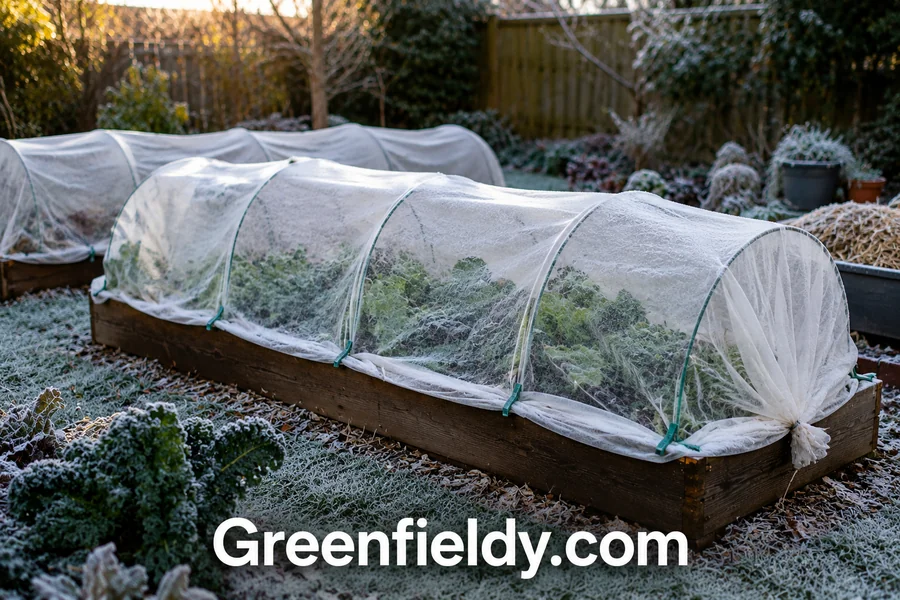
Plants are not always easy to care for during the winter months. Flowers, vegetables, shrubs and young trees can be damaged by cold weather, frost, snow, strong winds & heavy rains. A garden cover for winter is one of the simplest methods of safeguarding an outdoor space and also aiding plants withstand the winter.
Whether you want to plant vegetables, flowers, herbs or ornamental plants, the proper winter cover will help minimize weather damage and help keep your garden healthier during the winter months.
Here you’ll discover how diy plant covers for winter covers work, the various types of garden covers, how to select the most suitable cover & how to shield your plants from the winter season.
What Is a Garden Cover for Winter?
A garden cover for winter is a protective material placed over plants, garden beds, or soil to shield them from harsh winter conditions.
Quick Answer
A garden cover for winter helps:
- Protect plants from frost
- Reduce cold wind damage
- Maintain soil temperature
- Prevent snow accumulation
- Retain moisture
- Extend the growing season
Garden covers create a protective barrier between plants and extreme weather conditions.
Read More: How Many Spider Plants Per Pot
Why Is Winter Garden Protection Important?
Many gardeners underestimate how much damage winter can cause.
Even cold-tolerant plants can suffer from:
- Frost burn
- Frozen roots
- Wind damage
- Snow weight
- Soil erosion
- Rapid temperature changes
Protecting your garden before winter arrives can improve plant survival rates and encourage stronger growth in spring.
Common Winter Threats
| Winter Threat | Impact on Plants |
| Frost | Damages leaves and stems |
| Snow | Breaks branches and crushes plants |
| Wind | Dries out foliage |
| Ice | Restricts airflow |
| Freezing soil | Harms root systems |
| Temperature swings | Causes plant stress |
Types of Garden Cover for Winter
Different gardens require different forms of protection.
Here are the most common options.
1. Frost Cloth
Frost cloth is a lightweight fabric designed to protect plants from freezing temperatures.
Benefits:
- Allows sunlight through
- Lets air circulate
- Easy to install
- Reusable for multiple seasons
Best for:
- Vegetables
- Flowers
- Herbs
2. Row Covers
Row covers are commonly used in vegetable gardens.
They provide:
- Frost protection
- Pest control
- Temperature regulation
Best for:
- Lettuce
- Spinach
- Kale
- Carrots
3. Garden Fleece
Garden fleece traps warm air around plants.
Advantages include:
- Lightweight design
- Easy storage
- Strong frost protection
Ideal for:
- Delicate flowers
- Seedlings
- Young plants
4. Plastic Garden Covers
Plastic covers offer stronger protection against rain and snow.
However, they require ventilation.
Pros:
- Waterproof
- Durable
- Effective in severe weather
Cons:
- Can trap excess moisture
- May cause overheating on sunny days
5. Mulch Covers
Mulch acts as a natural insulating layer.
Popular materials include:
- Straw
- Wood chips
- Pine needles
- Leaves
Mulch helps stabilize soil temperatures and protects roots from freezing.
Best Plants That Benefit from Winter Covers
Not every plant requires a cover. Some plants are naturally winter hardy.
The following plants often benefit from extra protection.
Vegetables
- Lettuce
- Kale
- Spinach
- Broccoli
- Cabbage
Flowers
- Roses
- Hydrangeas
- Chrysanthemums
- Dahlias
Herbs
- Basil
- Parsley
- Rosemary
- Thyme
Young Trees and Shrubs
- Fruit trees
- Newly planted shrubs
- Evergreen saplings
How to Choose the Best Garden Cover for Winter
Choosing the right cover depends on several factors.
Consider Your Climate
If you experience:
- Mild winters → Lightweight fleece may be enough.
- Moderate frost → Frost cloth works well.
- Heavy snow → Strong plastic structures offer better protection.
Consider Plant Type
Different plants have different needs.
| Plant Type | Recommended Cover |
| Vegetables | Row cover |
| Flowers | Garden fleece |
| Raised beds | Frost cloth |
| Shrubs | Burlap wrap |
| Young trees | Tree guards and wraps |
Consider Airflow
Good airflow prevents:
- Mold
- Mildew
- Excess moisture
Avoid completely sealing plants for long periods.
How to Install a Garden Cover for Winter
Proper installation is just as important as choosing the right cover.
Step 1: Check the Weather
Install covers before:
- First frost
- Heavy snowfall
- Extreme temperature drops
Step 2: Water Plants First
Moist soil retains heat better than dry soil.
Water plants thoroughly before covering them.
Step 3: Support the Cover
Avoid placing heavy materials directly on delicate plants.
Use:
- Hoops
- Stakes
- Frames
This creates a protective air pocket.
Step 4: Secure the Edges
Wind can easily remove loose covers.
Secure covers using:
- Landscape pins
- Bricks
- Stones
- Garden staples
Step 5: Monitor Conditions
Check covers regularly.
Remove excess snow and ensure airflow remains adequate.
Garden Cover for Winter Raised Beds
Raised beds cool faster than ground-level gardens.
This makes winter protection especially important.
Best Winter Covers for Raised Beds
- Frost blankets
- Row covers
- Mini hoop houses
- Cold frames
These solutions help maintain soil warmth and extend harvest periods.
Garden Cover for Winter Vegetables
Many vegetables continue producing during cool weather.
Winter covers help maximize harvests.
Vegetables That Grow Well Under Covers
| Vegetable | Winter Performance |
| Kale | Excellent |
| Spinach | Excellent |
| Lettuce | Good |
| Carrots | Good |
| Swiss chard | Good |
Proper protection can extend growing seasons by several weeks.
DIY Garden Cover for Winter Ideas
You don’t always need expensive products.
Many gardeners create affordable winter covers at home.
PVC Hoop House
Materials:
- PVC pipe
- Plastic sheeting
- Garden clips
Benefits:
- Low cost
- Easy assembly
- Effective frost protection
Straw Mulch Layer
Spread a thick layer around plants.
Advantages:
- Natural insulation
- Affordable
- Improves soil quality
Burlap Wrap
Perfect for shrubs and small trees.
Benefits:
- Wind protection
- Frost protection
- Reusable material
Common Mistakes to Avoid
Many gardeners accidentally damage plants while trying to protect them.
Covering Too Early
Plants need time to adjust to cooler temperatures.
Wait until frost becomes likely.
Using Plastic Directly on Plants
Plastic touching foliage can transfer freezing temperatures.
Always use supports when possible.
Ignoring Ventilation
Lack of airflow can cause fungal problems.
Open covers during warmer periods if necessary.
Forgetting to Secure Covers
Winter storms can quickly remove unsecured coverings.
Check anchors regularly.
Benefits of Using a Garden Cover for Winter
The advantages go beyond frost protection.
Key Benefits
- Improves plant survival
- Protects roots
- Extends growing seasons
- Reduces weather stress
- Helps maintain soil health
- Lowers plant replacement costs
For many gardeners, winter protection is one of the best investments they can make.
Comparison Table Garden Cover for Winter vs Mulch
Many gardeners wonder which option works better.
| Feature | Garden Cover | Mulch |
| Frost Protection | Excellent | Good |
| Wind Protection | Excellent | Limited |
| Root Insulation | Good | Excellent |
| Moisture Retention | Good | Excellent |
| Reusability | High | Low |
For the best results, many gardeners use both together.
When Should You Remove Winter Garden Covers?
Timing matters.
Remove covers when:
- Frost danger has passed
- Daytime temperatures consistently rise
- New spring growth appears
Removing protection too early can expose plants to late-season frosts.
Related Terms
- winter garden protection
- frost protection for plants
- garden frost cover
- winter plant cover
- garden fleece for winter
- frost blanket for plants
- winter garden care
- raised bed winter cover
- cold weather plant protection
- winter vegetable garden cover
- protecting plants from frost
- outdoor plant winter protection
- winter mulch for gardens
- frost cloth for vegetables
- garden insulation for winter
- winter gardening tips
- cover plants in winter
- plant frost blanket
- winter garden maintenance
- frost cover for raised beds
Winter Garden Protection Checklist
Before winter arrives:
✓ Remove dead plant material
✓ Add mulch around roots
✓ Install frost covers
✓ Water plants deeply
✓ Protect raised beds
✓ Secure covers against wind
✓ Check weather forecasts regularly
✓ Inspect covers after storms
Following this checklist can significantly improve winter survival rates.
Final Thoughts
Keeping your garden warm in winter is one of the easiest things you can do to keep your plants safe from the cold, snow, wind and freezing temperatures. The purpose of all frost cloth, row covers, garden fleece, mulch and homemade strategies is to make a safer environment for plants when it gets cold.
Some spring preparation before the winter season can make a big difference when spring returns! The right winter protection program can start healthy plants, stronger roots and better garden performance. Selecting the most suitable garden cover for winter and properly fitting it in place can be a very effective way of helping your garden to flourish year after year.
FAQs:
What is the best garden cover for winter?
Frost cloth is often considered the best all-around garden cover for winter because it protects plants from frost while allowing light, water, and air to pass through.
Can I leave garden covers on all winter?
Yes. Many covers can remain in place throughout winter. Check them regularly to ensure proper airflow and prevent moisture buildup.
Does plastic protect plants from frost?
Yes, but plastic should not touch plant leaves directly. Use hoops or supports to create space between the plastic and the plants.
Should I cover raised garden beds in winter?
Yes. Raised beds lose heat faster than in-ground gardens. Covering them helps protect roots and maintain soil temperature.
Is mulch enough protection during winter?
Mulch provides excellent root insulation but may not fully protect plants from frost and wind. Combining mulch with a garden cover offers better protection.
When should I put winter covers on my garden?
Install winter covers shortly before the first expected frost. Monitor local weather forecasts and prepare early.
Can winter covers help vegetables grow longer?
Yes. Winter covers can extend the growing season by protecting vegetables from frost and maintaining warmer temperatures.
What is the difference between a frost blanket and a garden fleece?
Both provide frost protection. Frost blankets are often thicker and designed for colder temperatures, while garden fleece is lightweight and easier to handle.
Read More Articles: How to Get Rid of Bugs on Indoor Plants
About the Author






2 thoughts on “Garden Cover for Winter: The Complete Guide to Protecting Your Garden During Cold Weather”