Introduction
Can chickens eat broccoli is a common question among poultry keepers who want to add nutritious vegetables into their flock’s diet. Chickens are naturally curious birds and enjoy pecking at greens, vegetables, and anything fresh they find while foraging.
Broccoli is a widely known super-vegetable for humans, rich in vitamins and minerals. Because of this, many chicken owners wonder if it is also safe and beneficial for poultry.
In this guide, we will explain clearly whether can chickens eat broccoli, how it affects their health, how to feed it properly, and what precautions to keep in mind.
What Is Broccoli?
Broccoli is a green vegetable belonging to the cabbage family (Brassicaceae). It is known for its tree-like structure, with a thick stem and tightly packed green florets.
It is commonly eaten steamed, boiled, or raw in salads. Broccoli is widely recognized for its high nutrient content and health benefits in human diets.
Can Chickens Eat Broccoli Safely?
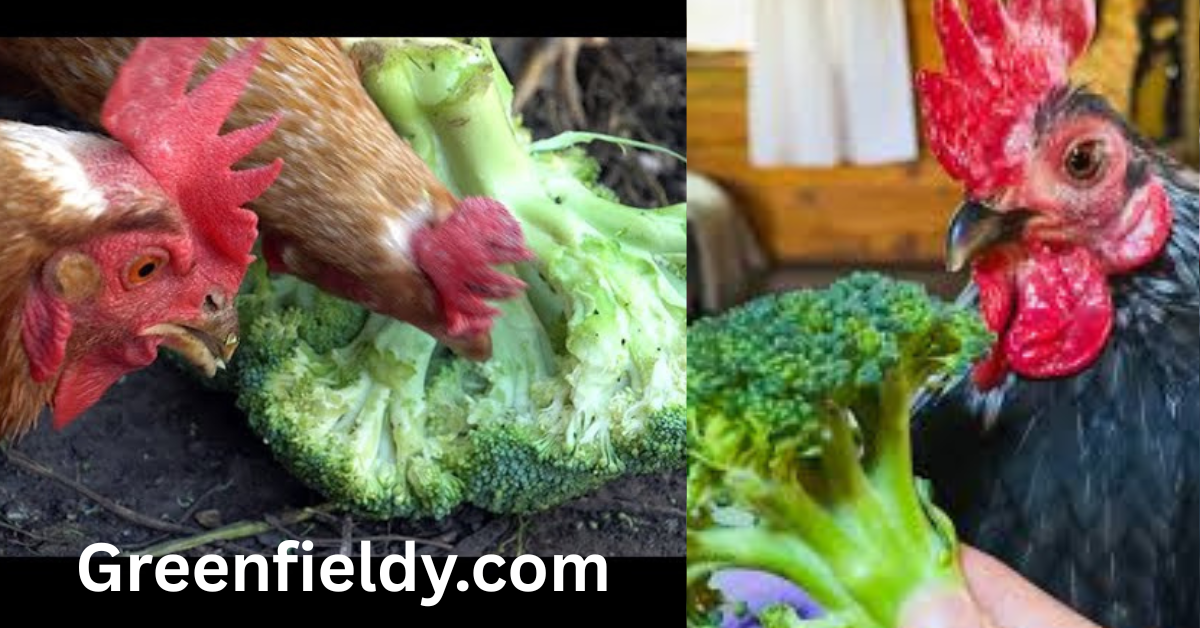
Can chickens eat broccoli safely? Yes, chickens can safely eat broccoli. It is non-toxic and generally well-tolerated by poultry when fed in moderation.
Both the florets and stems are safe for chickens to consume. Raw broccoli is most commonly fed, but cooked broccoli is also safe as long as it is not seasoned.
Nutritional Value of Broccoli
Broccoli contains vitamin C, vitamin K, vitamin A, fiber, calcium, and antioxidants. These nutrients help support immune function, bone strength, and overall health.
For chickens, broccoli can contribute to better feather quality and general wellness when included as part of a varied diet.
Health Benefits of Broccoli for Chickens
Can chickens eat broccoli for health benefits? Yes, broccoli can offer several advantages such as:
- Supporting immune system health through antioxidants
- Providing vitamins that support growth and development
- Encouraging natural foraging behavior
- Adding dietary variety and enrichment
While beneficial, broccoli should still be considered a supplement, not a main feed source.
How to Feed Broccoli to Chickens
Broccoli should be washed thoroughly before feeding. It can be given raw or lightly cooked without seasoning.
Chickens can peck at florets directly, or broccoli can be chopped into smaller pieces for easier consumption. Both stems and florets are safe to eat.
Raw vs Cooked Broccoli
Raw broccoli retains more nutrients and is preferred for feeding chickens. It also provides a crunchy texture that encourages natural pecking behavior.
Cooked broccoli is still safe but may lose some nutritional value during cooking. It should never be served with salt, oil, or spices.
Are There Any Risks?
Can chickens eat broccoli without risk? Generally yes, but overfeeding can cause mild digestive discomfort in some chickens due to its fiber content.
Another consideration is that too many treats, including broccoli, can reduce the intake of balanced poultry feed.
Broccoli vs Other Vegetables
Compared to harmful foods like onions or raw potatoes, broccoli is very safe. It is also more nutrient-dense than many common kitchen scraps.
This makes broccoli one of the better vegetable options for chickens when fed correctly.
Best Feeding Practices
To safely feed broccoli:
- Wash thoroughly before feeding
- Serve raw or plain cooked
- Cut into manageable pieces
- Feed in moderation alongside regular feed
FAQs
Can chickens eat raw broccoli?
Yes, raw broccoli is safe and commonly recommended.
Can chickens eat cooked broccoli?
Yes, but it should be plain with no seasoning.
Can chickens eat broccoli stems?
Yes, stems are safe and nutritious.
Is broccoli good for chickens?
Yes, it provides vitamins, fiber, and antioxidants.
How often can chickens eat broccoli?
It should be given occasionally as a treat, not daily.
Conclusion
Can chickens eat broccoli? Yes, chickens can safely eat broccoli as part of a balanced diet. It is a nutritious, non-toxic vegetable that can support health and add variety to their meals.
However, broccoli should not replace complete poultry feed. When used properly, it is a healthy and beneficial treat that supports flock enrichment and overall well-being.
About the Author