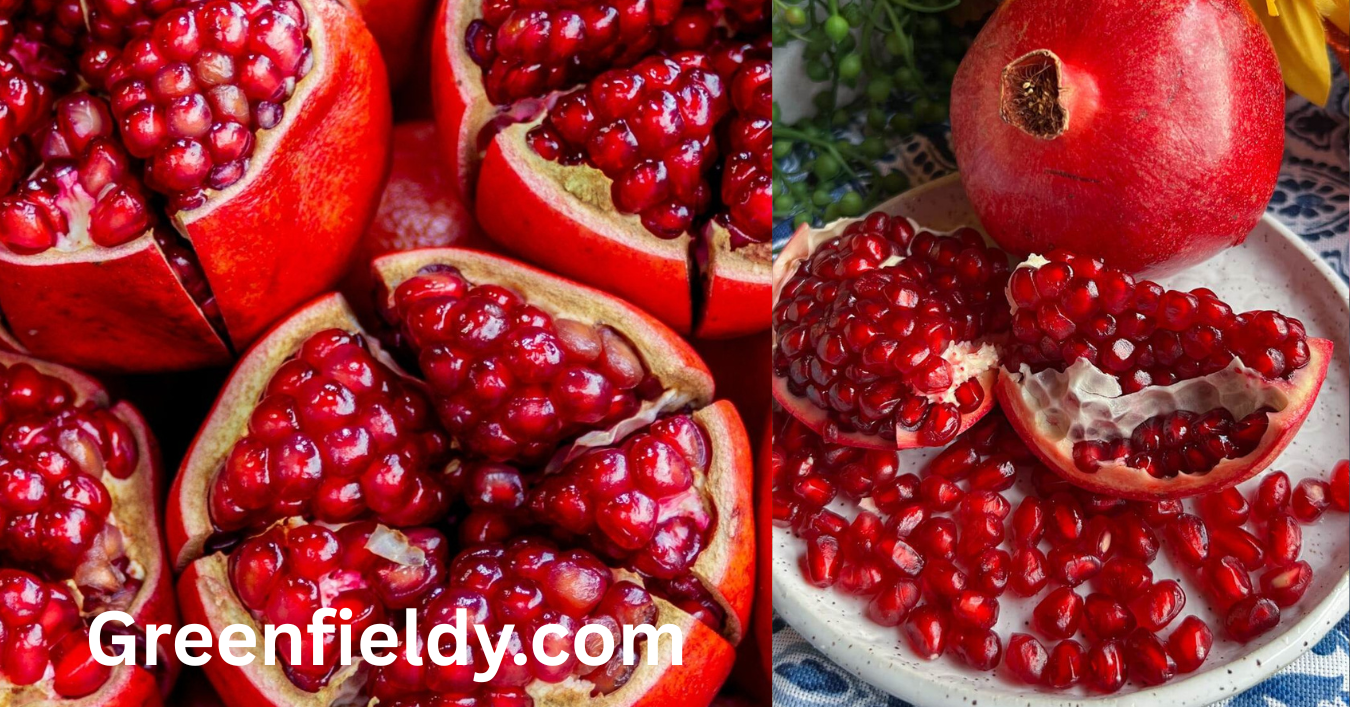
Pomegranates have held a special place in diets and traditions for centuries. Known for their rich red seeds, refreshing taste, and powerful health benefits, they are widely consumed in fresh form, juices, desserts, and even traditional remedies. However, in recent times, many regions have been experiencing a noticeable shortage of pomegranates. Consumers are finding them harder to locate in markets, and when they do, prices are significantly higher than usual.
The pomegranate shortage is not a coincidence or a seasonal fluctuation alone—it is the result of multiple overlapping factors affecting production, supply chains, and distribution networks. Understanding these causes can help explain not only the current situation but also what the future might hold for this popular fruit.
The Growing Concern Around Pomegranate Availability
The pomegranate shortage has gradually become more apparent over recent months. Vendors report inconsistent supply, while consumers complain about rising costs. In many markets, what was once an affordable fruit has become a premium item.
At its core, the issue stems from a simple economic principle: when supply decreases and demand remains steady or increases, prices go up. But behind this simple explanation lies a complex web of environmental, agricultural, and geopolitical challenges.
Also Read: Orange Shortage
Major Causes of the Pomegranate Shortage
1. Climate Change and Environmental Stress
One of the most significant contributors to the shortage is climate change. Pomegranate trees are known for their resilience, but they are not immune to extreme environmental conditions.
In recent years, many pomegranate-producing regions have experienced irregular weather patterns. Extended droughts, heatwaves, and unpredictable rainfall cycles have disrupted the natural growth process of the fruit. Water scarcity, in particular, has had a serious impact on orchards. Without sufficient irrigation, fruit yields decline, and the quality of the harvest suffers.
In some cases, fruits are smaller, less juicy, or not suitable for commercial sale. This directly reduces the quantity of pomegranates entering the market.
2. Reduced Agricultural Output
Beyond climate issues, farmers are also facing a variety of agricultural challenges. Soil degradation, pest infestations, and rising input costs have made pomegranate farming less profitable in certain regions.
As a result, some farmers are shifting to alternative crops that require less maintenance or offer more stable returns. This gradual shift away from pomegranate cultivation further reduces supply.
Additionally, lack of access to modern farming techniques and technology can limit productivity. In areas where farmers rely on traditional methods, they may struggle to cope with changing environmental conditions.
3. Trade Disruptions and Border Issues
International trade plays a crucial role in maintaining a steady supply of pomegranates, especially in countries that rely on imports. When trade routes are disrupted—whether due to political tensions, border closures, or regulatory changes—the flow of goods is affected.
Even short-term disruptions can have long-lasting effects. Pomegranates are perishable, and delays in transportation can lead to spoilage or reduced quality. This means that even if fruit is produced, it may never reach the consumer in usable condition.
Such disruptions create immediate shortages in local markets and contribute to rising prices.
4. Supply Chain and Transportation Challenges
Modern food systems depend heavily on efficient logistics. From farms to markets, pomegranates must be transported quickly and carefully to maintain freshness.
However, issues such as rising fuel costs, inadequate infrastructure, and logistical inefficiencies can slow down this process. Poor storage facilities and lack of refrigeration further complicate the situation, especially in regions with warmer climates.
When transportation systems fail to operate smoothly, a significant portion of the harvest can be lost before it even reaches consumers. This effectively reduces the available supply, even if production levels remain relatively stable.
Also Read: Guava Shortage
5. Increasing Demand for Healthy Foods
While supply has been shrinking, demand for pomegranates has been steadily increasing. This is largely due to growing awareness of their health benefits.
Pomegranates are rich in antioxidants, vitamins, and anti-inflammatory compounds. They are often associated with improved heart health, better digestion, and enhanced immunity. As more people adopt healthier lifestyles, the demand for nutrient-rich fruits like pomegranates continues to rise.
This imbalance between rising demand and limited supply is a key driver of the current shortage.
Impact on Consumers and Businesses
The effects of the pomegranate shortage are being felt across different sectors.
For Consumers
The most obvious impact is higher prices. Many households may find it difficult to afford pomegranates regularly. In some cases, the fruit may disappear from local markets entirely for certain periods.
This can be particularly frustrating for those who rely on pomegranates for dietary or cultural reasons.
For Vendors and Retailers
Retailers face inconsistent supply, making it difficult to maintain stable pricing and inventory. This can lead to reduced sales and customer dissatisfaction.
Some vendors may choose not to stock pomegranates at all if the profit margins become too uncertain.
For Food Businesses
Juice bars, restaurants, and food manufacturers that use pomegranates as an ingredient may need to adjust their menus or recipes. This can affect product quality, customer experience, and overall profitability.
Long-Term Implications
If the current trends continue, the pomegranate shortage could have long-term consequences for both producers and consumers.
Farmers may continue to shift toward other crops, further reducing production capacity. At the same time, consumers may develop new preferences and reduce their reliance on pomegranates altogether.
Over time, this could reshape the market and change the role of pomegranates in everyday diets.
Potential Solutions and Strategies
Addressing the shortage requires a coordinated effort across multiple levels.
Improved Water Management
Investing in efficient irrigation systems, such as drip irrigation, can help farmers make better use of limited water resources.
Support for Farmers
Providing access to modern technology, training, and financial support can help farmers increase productivity and adapt to changing conditions.
Strengthening Supply Chains
Improving transportation infrastructure and storage facilities can reduce losses and ensure that more fruit reaches the market in good condition.
Encouraging Local Production
Reducing dependence on imports by promoting local cultivation can make supply more stable and resilient.
Research and Innovation
Developing drought-resistant crop varieties and sustainable farming practices can help secure future production.
Also Read: Musk Melon Shortage
Frequently Asked Questions (FAQs)
Q1: Why is there a shortage of pomegranates right now?
The pomegranate shortage is mainly due to a combination of reduced production, climate-related challenges, trade disruptions, and increasing demand.
Q2: Will pomegranate prices go down soon?
Prices may decrease if supply improves, especially during peak harvest seasons. However, long-term factors like climate change could keep prices relatively high.
Q3: Are all regions affected equally?
No, regions that depend heavily on imports or face environmental challenges are more affected than others.
Q4: Can farmers quickly increase production to meet demand?
Not immediately. Pomegranate trees take time to grow and produce fruit, so increasing supply is a gradual process.
Q5: What are some good alternatives to pomegranates?
Fruits like strawberries, blueberries, oranges, and grapes offer similar nutritional benefits and can be good substitutes.
Conclusion
The pomegranate shortage is a clear example of how interconnected our global food systems have become. Environmental changes, agricultural challenges, and trade disruptions all play a role in determining what ends up on our plates.
While the current shortage may improve over time, it also highlights the need for more sustainable farming practices, stronger supply chains, and better resource management. For consumers, adapting to seasonal availability and exploring alternative options may be necessary in the short term.
Ultimately, ensuring a stable supply of pomegranates—and other essential foods—will require long-term planning, innovation, and cooperation across the entire agricultural ecosystem.
About the Author