Mushrooms appear like tiny forest mysteries after rain, pushing through soil, logs, and fallen leaves almost overnight. For beginners and experienced foragers alike, one of the most common questions is: when is mushroom season? The answer depends on climate, rainfall, temperature, and the specific type of mushroom you are searching for.
Some mushrooms thrive during cool autumn weather, while others emerge during spring rains or warm summer humidity. Understanding mushroom seasons can help gardeners, cooks, and foragers know the best time to find fresh wild mushrooms safely and successfully.
In this guide, you will learn everything about when is mushroom season, including seasonal patterns, weather conditions, regional differences, and the best mushrooms to find throughout the year.
Understanding Mushroom Season
Mushroom season refers to the time of year when fungi naturally grow and become visible above the ground. Mushrooms are actually the fruiting bodies of underground fungal networks called mycelium. When environmental conditions are favorable, the fungi produce mushrooms to release spores and reproduce.
The timing of mushroom growth depends heavily on:
- Moisture levels
- Temperature
- Humidity
- Soil conditions
- Tree and plant relationships
Because of these factors, mushroom season can vary widely from one region to another. In some places, mushrooms grow almost year-round, while colder climates may only experience a short seasonal window.
Why Weather Plays a Huge Role in Mushroom Growth
If you want to understand when is mushroom season, weather is the most important factor to study. Mushrooms love moisture and moderate temperatures. Rainfall followed by humid conditions often triggers sudden mushroom growth.
Ideal mushroom-growing conditions usually include:
- Rain after dry weather
- Mild temperatures
- Damp forest floors
- Cloudy or shaded environments
After a rainy period, many mushroom species can appear within just a few days. Warm sunny days immediately after rain may dry out mushrooms quickly, shortening the harvesting window.
Different species prefer different temperatures. Some grow best in cool autumn air, while others flourish in warm summer forests.
Spring Mushroom Season
Spring is one of the first active mushroom seasons of the year. As snow melts and soil warms, certain species begin to emerge.
Popular spring mushrooms include:
Morel Mushrooms
Morels are among the most prized edible mushrooms in the world. They usually appear during early to mid-spring when daytime temperatures warm up consistently.
Morels are often found:
- Near dead or dying trees
- In moist woodland areas
- After spring rainstorms
Their short season makes them highly sought after by mushroom hunters.
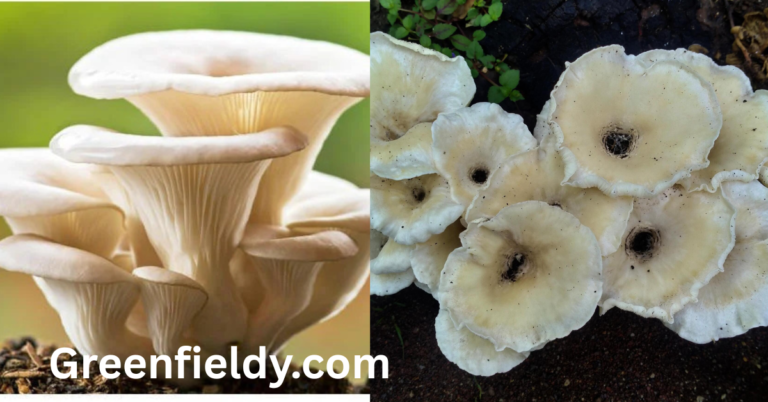
Oyster Mushrooms
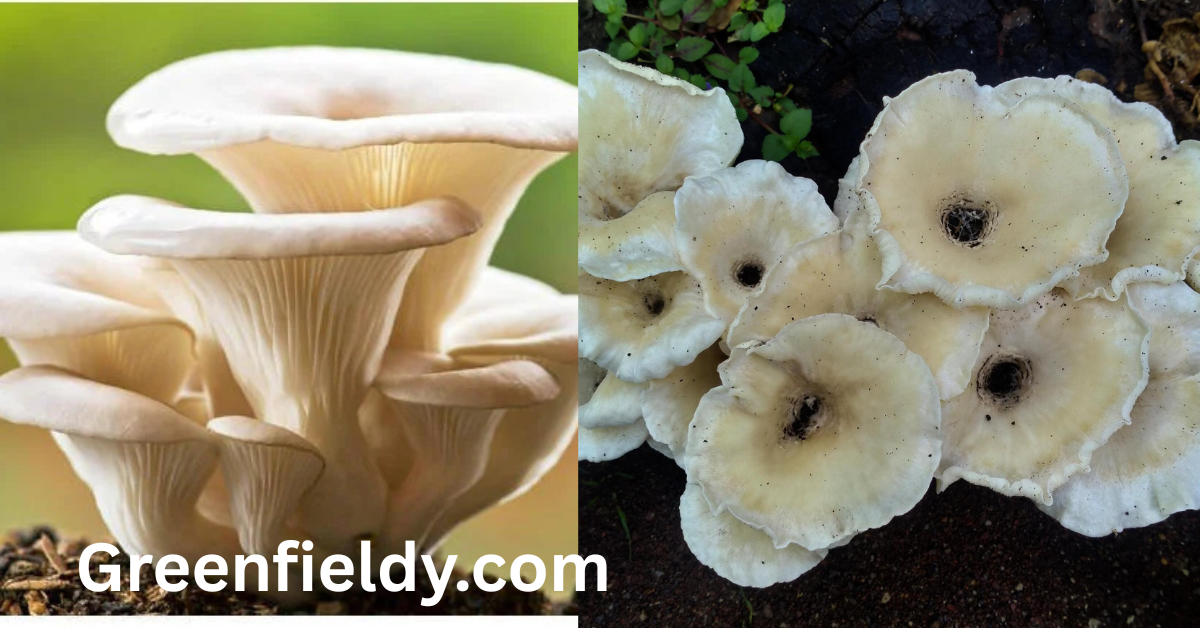
Wild oyster mushrooms may also appear in spring, especially on decaying hardwood logs. They grow in clusters and prefer moist environments.
Spring mushroom season is generally shorter than fall season, but it can still be very productive in areas with regular rainfall.
Summer Mushroom Season
Many people wonder when is mushroom season during warmer months. Summer can actually produce a surprising variety of mushrooms, especially in humid regions.
Warm temperatures combined with thunderstorms create excellent growing conditions.
Common summer mushrooms include:
- Chanterelles
- Chicken of the Woods
- Black Trumpets
- Boletes
Chanterelles
Chanterelles are famous for their fruity aroma and golden color. They commonly grow during humid summer periods in forests with oak, pine, or hardwood trees.
Chicken of the Woods
This bright orange mushroom grows on trees and is known for its meat-like texture. It often appears during late spring through summer.
Summer mushroom hunting is most successful after heavy rains followed by warm, humid days.
Fall Is Peak Mushroom Season
For many regions, fall is considered the best answer to the question: when is mushroom season?
Autumn provides the perfect combination of:
- Cool temperatures
- Frequent rain
- Moist soil
- Decaying organic matter
This season supports the widest variety of mushroom species.
Popular Fall Mushrooms
Porcini Mushrooms
Porcini mushrooms are highly valued in cooking and often appear in forests during autumn.
Maitake Mushrooms
Also called “Hen of the Woods,” maitake mushrooms grow near the base of oak trees during fall.
Puffball Mushrooms
Large white puffballs are commonly found in grassy fields and forest edges in autumn.
Because of the diversity and abundance of fungi during this season, fall is often the busiest time for mushroom foraging enthusiasts.
Can Mushrooms Grow in Winter?
Winter mushroom growth depends largely on climate conditions. In colder regions with snow and frozen ground, mushroom activity slows dramatically. However, milder regions can still produce winter mushrooms.
Winter Mushrooms Include:
- Enoki mushrooms
- Velvet shank mushrooms
- Oyster mushrooms in mild climates
Some fungi are specially adapted to cold temperatures and may continue fruiting during cool weather.
In warmer coastal regions, mushroom season may continue almost year-round.
Mushroom Seasons by Region
One important detail about when is mushroom season is that geography changes everything. Climate zones strongly influence fungal growth patterns.
North America
- Spring: Morels
- Summer: Chanterelles and boletes
- Fall: Porcini, maitake, puffballs
Europe
Europe experiences a strong autumn mushroom season, especially in forests with oak and pine trees.
Tropical Regions
In tropical climates, mushroom growth often follows rainy seasons rather than temperature changes.
Dry Regions
Desert and arid climates usually experience shorter mushroom seasons triggered by rare rainfall events.
Understanding your local climate helps predict the best mushroom hunting periods.
Best Places to Find Seasonal Mushrooms
Knowing when is mushroom season is only half the puzzle. Location matters just as much.
Mushrooms commonly grow in:
- Damp forests
- Decaying logs
- Mossy ground
- Grasslands
- Tree bases
- Burn sites after forest fires
Different mushrooms prefer different environments. Some form partnerships with tree roots, while others grow on dead wood.
Foragers often search:
- After rainfall
- Early in the morning
- In shaded woodland areas
Careful observation improves success over time.
Safety Tips for Mushroom Foraging
Wild mushroom foraging can be rewarding, but it also carries serious risks. Some poisonous mushrooms closely resemble edible varieties.
Important safety rules include:
Never Eat Unknown Mushrooms
Even experienced foragers use guidebooks and expert identification.
Learn Dangerous Species
Some toxic mushrooms can cause severe illness or death.
Avoid Polluted Areas
Do not collect mushrooms near roadsides, industrial areas, or chemically treated land.
Use Proper Identification Guides
Joining local mushroom clubs or learning from experts is highly recommended.
When learning about when is mushroom season, safety should always come first.
Factors That Affect Mushroom Seasons
Several natural factors influence yearly mushroom production.
Rainfall
Dry years often produce fewer mushrooms.
Temperature Swings
Sudden frosts or heat waves can shorten mushroom seasons.
Forest Health
Healthy ecosystems support better fungal growth.
Climate Change
Changing weather patterns are beginning to affect traditional mushroom seasons in many regions.
Some areas now experience earlier fruiting periods or reduced mushroom diversity compared to previous decades.
How to Grow Mushrooms at Home
If you do not want to wait for wild mushroom season, growing mushrooms at home is another option.
Popular beginner-friendly varieties include:
- Oyster mushrooms
- Shiitake mushrooms
- Lion’s mane mushrooms
Home cultivation allows year-round production under controlled conditions.
Basic requirements include:
- Moisture
- Humidity
- Proper growing medium
- Stable temperature
Indoor mushroom kits have become increasingly popular because they simplify the process for beginners.
Growing mushrooms at home also reduces the risks associated with wild mushroom identification.
FAQs About When Is Mushroom Season
When is mushroom season in most regions?
In many temperate regions, mushroom season peaks during fall because of cool temperatures and increased rainfall. Spring and summer also produce certain species.
Do mushrooms grow after rain?
Yes, many mushrooms appear shortly after rainfall because moisture helps trigger fungal growth.
What is the best mushroom season for foraging?
Autumn is usually considered the best mushroom foraging season due to the large variety of species available.
Are mushrooms seasonal?
Yes, most wild mushrooms are seasonal and grow only during certain environmental conditions.
Can mushrooms grow year-round?
In mild or tropical climates, some mushrooms can grow throughout the year, especially during rainy periods.
Conclusion
So, when is mushroom season? The answer depends on the type of mushroom, regional climate, and weather conditions. In many places, spring and fall are the most active periods, while humid summers can also produce abundant fungi.
Rainfall, temperature, and forest conditions all work together like nature’s hidden timetable, signaling mushrooms when to emerge. Some species appear only briefly, while others grow across multiple seasons.
Whether you are interested in mushroom foraging, gardening, cooking, or simply learning about fungi, understanding seasonal patterns helps you appreciate the fascinating world of mushrooms even more.
With the right knowledge, patience, and safety precautions, mushroom season can become an exciting yearly adventure filled with discovery, fresh air, and unforgettable finds.
About the Author