The global agricultural sector is facing a growing challenge that is quietly affecting fruit production and supply chains: the Apple picking labor shortage. Apples are a staple in diets worldwide, used in everything from fresh snacks to juices and desserts. However, behind the scenes, many orchards are struggling to find enough workers to harvest their crops on time.
This issue is not limited to one region. From North America to Europe and parts of Asia, farmers are dealing with fewer available workers during peak harvest seasons. The Apple picking labor shortage has become a pressing concern that directly impacts production efficiency, farmer income, and consumer prices.
What Is Causing the Labor Gap in Apple Harvesting?
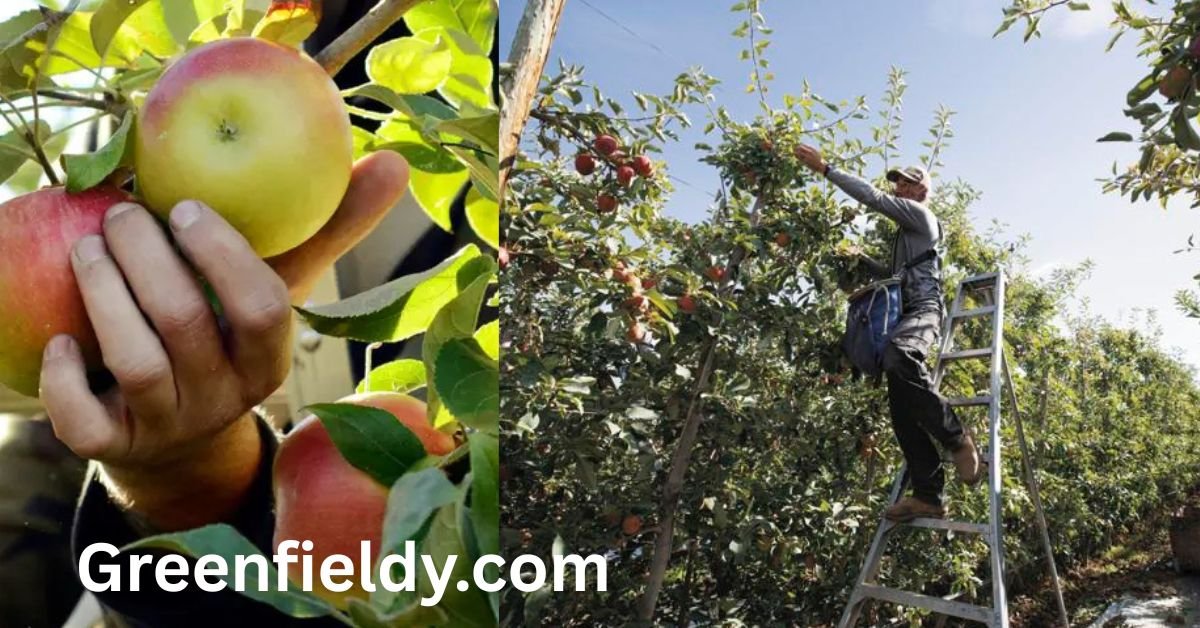
Apple harvesting requires precision, timing, and physical effort. Workers must pick fruit carefully to avoid damage while ensuring that only ripe apples are collected. Traditionally, farms have relied on seasonal labor, especially migrant workers, to meet these demands. However, several factors have disrupted this system.
One major contributor to the Apple picking labor shortage is the decline in migrant labor availability. Stricter immigration policies and visa limitations in many countries have made it more difficult for farms to hire experienced seasonal workers. Travel restrictions in recent years have also played a role in reducing workforce mobility.
Another important factor is the shift in job preferences. Many workers today are seeking stable, long-term employment rather than temporary agricultural jobs. Apple picking is physically demanding, often involving long hours outdoors in varying weather conditions. As a result, fewer local workers are willing to take on these roles, further widening the gap.
Economic pressures are also part of the problem. In many regions, wages for farm work have not kept pace with the rising cost of living. Workers may find it difficult to justify taking seasonal jobs that offer limited financial security. This imbalance continues to contribute to the Apple picking labor shortage.
The Impact on Farmers and Production
When orchards cannot find enough workers, the consequences can be severe. Apples must be harvested within a specific time frame to maintain quality. If they are left on trees for too long, they can become overripe or fall, making them unsuitable for sale.
This is one of the most immediate effects of the Apple picking labor shortage—crop loss. Even a small percentage of unharvested fruit can translate into significant financial damage for farmers who already operate on narrow profit margins.
In addition to crop loss, farmers often face increased operational costs. To attract workers, they may need to raise wages or provide additional incentives such as housing or transportation. While these measures can help in the short term, they also reduce overall profitability.
The shortage also disrupts supply chains. Delays in harvesting can affect packaging, shipping, and distribution schedules. Retailers may receive fewer apples or experience inconsistent supply, which ultimately impacts consumers.
Rising Prices and Consumer Effects
Consumers may not immediately connect higher apple prices to labor issues, but the link is strong. When production decreases due to insufficient labor, supply drops. At the same time, demand for apples remains relatively stable.
This imbalance often leads to price increases. The Apple picking labor shortage can therefore influence grocery store prices, making apples and apple-based products more expensive. In some cases, retailers may even need to source apples from different regions or countries, further increasing costs.
Beyond pricing, quality can also be affected. Apples that are harvested late or handled by inexperienced workers may not meet the usual standards, leading to reduced shelf life and customer satisfaction.
Technology as a Potential Solution
To address ongoing labor challenges, many farmers are turning to technology. Innovation in agriculture is advancing rapidly, and automation is becoming a viable option for some tasks.
Robotic apple pickers are one of the most promising developments. These machines use sensors and artificial intelligence to identify ripe fruit and pick it carefully. While they are not yet widely adopted, they offer a glimpse into how farms might reduce reliance on manual labor in the future.
Technology also helps with planning and efficiency. Tools such as drones and data-driven monitoring systems allow farmers to track crop conditions and predict optimal harvest times. Better planning can help mitigate the effects of the Apple picking labor shortage by ensuring that available workers are used as efficiently as possible.
However, technology is not a complete solution. The cost of advanced equipment can be high, making it difficult for small and medium-sized farms to adopt these tools quickly.
Policy Changes and Government Support
Government policies play a crucial role in shaping the agricultural labor market. In many cases, reforms could help ease the pressure on farmers.
Expanding seasonal worker visa programs is one approach. By making it easier for experienced laborers to travel and work during harvest seasons, governments can help address workforce shortages. Simplifying administrative processes and reducing delays can also make a significant difference.
Financial support programs are another option. Subsidies or incentives for farms that invest in labor solutions—such as housing or transportation—can help make agricultural jobs more attractive. These measures can reduce the impact of the Apple picking labor shortage while supporting rural economies.
Improving Working Conditions
Another key step is making farm work more appealing to local workers. This includes offering competitive wages, safe working environments, and additional benefits.
Providing decent housing and reliable transportation can remove major barriers for seasonal workers. In some regions, farms that have invested in worker welfare have seen better recruitment and retention rates.
Training programs can also play a role. By teaching proper harvesting techniques and offering skill development opportunities, farms can attract individuals who may not have previous agricultural experience.
Addressing these issues directly can help reduce dependence on external labor sources and ease the Apple picking labor shortage over time.
Community and Local Initiatives
Local communities can also contribute to solving labor challenges. Some farms have started collaborating with schools, colleges, and community organizations to recruit temporary workers during harvest seasons.
Pick-your-own apple programs are another creative approach. These initiatives invite consumers to visit orchards and harvest apples themselves. While they are not a full replacement for professional labor, they can help reduce pressure during peak periods.
Such efforts also raise awareness about the importance of agricultural work. When people better understand the effort involved in food production, they may be more willing to participate or support local farms.
Looking Ahead
The Apple picking labor shortage is a complex issue with no single solution. It is influenced by economic trends, policy decisions, technological advancements, and changing workforce expectations.
In the coming years, a combination of strategies will likely be needed. Technology will continue to evolve, offering new tools to assist farmers. At the same time, improving wages and working conditions will remain essential for attracting human labor.
Collaboration between governments, farmers, and communities will be key. By addressing the problem from multiple angles, it is possible to create a more stable and sustainable agricultural system.
Frequently Asked Questions (FAQs)
1. What is the Apple picking labor shortage?
The Apple picking labor shortage refers to the lack of available workers needed to harvest apples during peak seasons, making it difficult for farms to collect crops on time.
2. Why is there a shortage of apple pickers?
The Apple picking labor shortage is mainly caused by reduced migrant labor, changing job preferences, low wages, and the physically demanding nature of farm work.
3. How does the Apple picking labor shortage affect farmers?
Farmers face crop losses, higher labor costs, and reduced profits due to the Apple picking labor shortage, especially when apples are not harvested at the right time.
4. Does the Apple picking labor shortage increase apple prices?
Yes, the Apple picking labor shortage can lead to higher prices because reduced supply and steady demand push costs up for consumers.
5. Can technology help solve the Apple picking labor shortage?
Technology like robotic harvesters and automation can help reduce the impact of the Apple picking labor shortage, but it cannot fully replace human labor yet.
Conclusion
The Apple picking labor shortage is more than just a seasonal inconvenience—it is a significant challenge that affects the entire food supply chain. From farm operations to consumer prices, its impact is far-reaching.
While the problem is complex, it is not unsolvable. With the right balance of innovation, policy support, and improved labor practices, the industry can adapt to changing conditions.
Ensuring that apples continue to reach markets efficiently will require ongoing effort and collaboration. By taking proactive steps today, the agricultural sector can overcome current challenges and build a more resilient future.
About the Author