
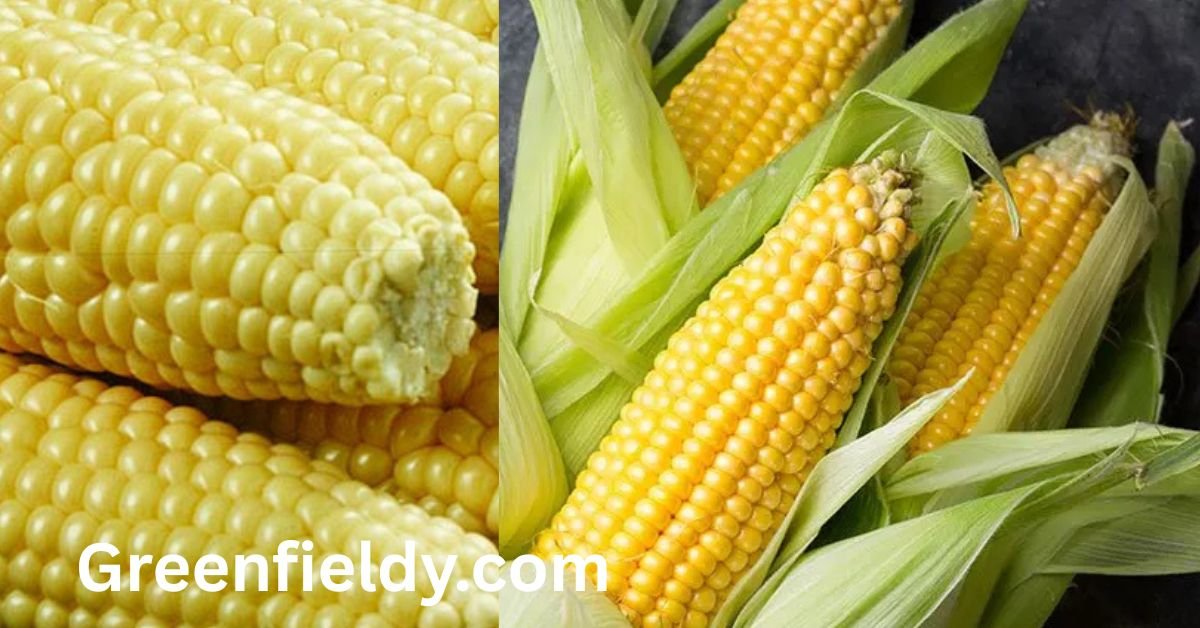
The sweet corn shortage has quietly crept into markets like an unexpected guest who refuses to leave. From street vendors to supermarkets, the absence or rising price of sweet corn is being felt by farmers, businesses, and everyday consumers alike. This article dives straight into the heart of the issue, exploring why the sweet corn shortage is happening, what it means, and how it might be resolved.
What Is the Sweet Corn Shortage?
The sweet corn shortage refers to a noticeable decline in the supply of sweet corn in markets, often accompanied by higher prices. Sweet corn, loved for its tender kernels and natural sweetness, is a staple in many households and food industries. When supply dips and demand remains steady or grows, a shortage emerges.
Unlike field corn, which is used for animal feed and industrial purposes, sweet corn is primarily grown for direct human consumption. That makes its shortage more visible and impactful on daily life.
Key Causes of Sweet Corn Shortage
1. Climate Change and Unpredictable Weather
Weather behaves like a moody artist, sometimes cooperative, often chaotic. Extreme heatwaves, unexpected rainfall, droughts, and floods have disrupted sweet corn farming cycles. Sweet corn requires specific conditions to grow properly, and even slight deviations can reduce yield.
2. Reduced Farming Area
Many farmers are switching to more profitable or less risky crops. As a result, the land dedicated to sweet corn cultivation has decreased. This shift directly contributes to the sweet corn shortage by limiting overall production.
3. Rising Input Costs
Seeds, fertilizers, irrigation, and labor costs have surged. When production becomes expensive, farmers either scale down or avoid growing sweet corn altogether. This economic pressure tightens supply chains.
4. Pest and Disease Outbreaks
Sweet corn crops are vulnerable to pests like corn borers and diseases such as rust. When infestations occur, large portions of crops can be lost, intensifying the sweet corn shortage.
5. Supply Chain Disruptions
Transportation delays, fuel price hikes, and storage issues can prevent sweet corn from reaching markets on time. Since sweet corn has a short shelf life, delays can lead to spoilage and reduced availability.
Impact of Sweet Corn Shortage
1. Rising Prices
One of the most immediate effects of the sweet corn shortage is higher prices. Consumers find themselves paying more for fewer options, making sweet corn less accessible.
2. Food Industry Challenges
Restaurants, snack manufacturers, and frozen food companies rely heavily on sweet corn. A shortage forces them to either increase prices or alter their menus and product offerings.
3. Farmer Income Instability
Ironically, while shortages might increase prices, not all farmers benefit. Those who lose crops due to weather or pests suffer financially, creating uneven outcomes across the farming community.
4. Export and Import Pressure
Countries facing a sweet corn shortage may increase imports, affecting trade balances. Meanwhile, exporting nations might restrict exports to stabilize local markets.
How Farmers Are Adapting
Farmers are not standing still in the face of the sweet corn shortage. Many are adopting modern techniques to survive and thrive.
Improved Seed Varieties
Hybrid seeds that resist pests and tolerate extreme weather are gaining popularity. These seeds help maintain yield even under challenging conditions.
Smart Irrigation Systems
Drip irrigation and precision watering reduce water waste and improve crop health. This is especially useful in drought-prone regions.
Crop Rotation Practices
By rotating crops, farmers maintain soil health and reduce pest infestations, indirectly addressing the sweet corn shortage.
Role of Governments and Policies
Governments play a crucial role in managing the sweet corn shortage.
Subsidies and Financial Support
Providing subsidies for seeds, fertilizers, and equipment can encourage farmers to grow sweet corn again.
Research and Development
Investing in agricultural research leads to better crop varieties and farming techniques, reducing vulnerability to climate and pests.
Infrastructure Improvement
Better roads, storage facilities, and cold chains ensure that sweet corn reaches markets efficiently, minimizing losses.
Consumer Perspective: What Can You Do?
While the sweet corn shortage might seem like a large-scale issue, consumers can still play a part.
- Support local farmers by buying seasonal produce
- Reduce food waste to ease demand pressure
- Explore alternatives like frozen or canned sweet corn
Small actions, when multiplied, can ease the burden on supply chains.
Future Outlook of Sweet Corn Supply
The future of sweet corn depends on how effectively challenges are addressed. If climate-resilient farming, better policies, and efficient supply chains are implemented, the sweet corn shortage can be reduced.
However, ignoring these factors could turn a temporary shortage into a recurring problem. The balance between supply and demand is delicate, and it requires consistent effort from all stakeholders.
FAQs
1. What is causing the sweet corn shortage?
The sweet corn shortage is mainly caused by climate change, reduced farming areas, rising costs, pests, and supply chain disruptions.
2. Why are sweet corn prices increasing?
Prices rise because supply decreases while demand remains steady, making sweet corn more expensive in markets.
3. Is the sweet corn shortage temporary?
It can be temporary if proper measures are taken, but ongoing challenges like climate change may make it a recurring issue.
4. How can farmers overcome the sweet corn shortage?
Farmers can use hybrid seeds, modern irrigation, and crop rotation to improve yield and reduce risks.
5. Can consumers help during a sweet corn shortage?
Yes, by reducing waste, buying local produce, and using alternatives, consumers can help ease demand pressure.
Conclusion
The sweet corn shortage is not just about missing kernels on your plate; it reflects deeper issues in agriculture, climate, and economics. From unpredictable weather to rising costs, multiple factors are shaping this challenge. Yet, solutions exist. With smarter farming, supportive policies, and mindful consumption, the shortage can be managed and even reversed.
Sweet corn may be small, but its story is vast, woven with threads of nature, effort, and resilience.
About the Author