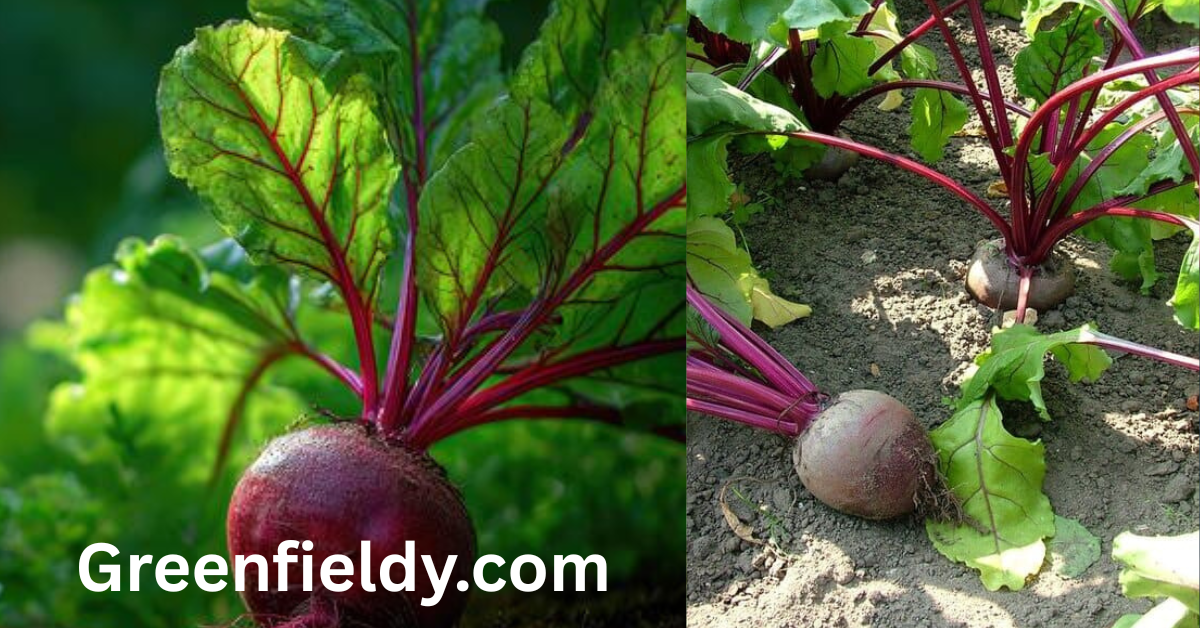
Beetroot is a widely consumed root vegetable known for its deep red color, earthy flavor, and strong nutritional profile. It is used in salads, juices, soups, pickles, and even health supplements. In recent times, the term “beetroot shortage” has appeared in discussions about food supply and market prices, raising concerns among consumers and traders.
However, a beetroot shortage is not always a simple or global issue. It is often the result of seasonal changes, supply chain limitations, agricultural decisions, and local market conditions rather than a complete lack of production. This article explains what beetroot shortage means, why it happens, its impact, and what consumers should understand about the situation.
Understanding Beetroot Shortage
A beetroot shortage refers to a situation where the supply of beetroot in a particular market or region becomes limited compared to demand. This can lead to higher prices, reduced availability in stores, or lower-quality produce reaching consumers.
It is important to understand that beetroot shortages are usually localized or temporary. Globally, beetroot continues to be cultivated in many countries, and production does not stop entirely. Instead, shortages occur when supply fails to meet demand in specific regions or seasons.
Main Causes of Beetroot Shortage
1. Seasonal Production Cycle
Beetroot is a cool-season crop that grows best in moderate temperatures. Its production is highly dependent on climate conditions.
- It grows well in winter and early spring
- High temperatures reduce yield and quality
- Off-season periods naturally lower supply
During warmer months, farmers either reduce planting or experience lower productivity, which leads to reduced availability in markets. This seasonal gap is one of the most common reasons behind beetroot shortages.
2. Weather and Climate Changes
Unpredictable weather conditions can significantly affect beetroot farming. Extreme weather events such as heatwaves, heavy rainfall, or frost can damage crops or reduce their growth rate.
- Excess rain can cause root rot and spoilage
- Heat stress reduces size and sweetness
- Sudden frost can destroy young plants
Climate change has increased the frequency of such unpredictable conditions, making beetroot supply less stable in some regions.
3. Agricultural Production Decisions
Farmers make crop decisions based on profitability and risk. If beetroot prices fall in one season, farmers may reduce its cultivation in the next season and switch to more profitable crops.
Other agricultural factors include:
- High cost of seeds and fertilizers
- Labor shortages during harvesting
- Lack of government support or subsidies
- Low market return in previous seasons
These decisions directly influence the future supply of beetroot in the market.
4. Supply Chain and Transportation Issues
Even when beetroot is successfully grown, getting it from farms to consumers can be challenging. Beetroot is a perishable vegetable and requires proper handling.
Common supply chain issues include:
- Lack of cold storage facilities
- Poor transportation infrastructure
- Delays in delivery from rural farms to cities
- Post-harvest spoilage during transit
If transportation or storage systems fail, a portion of the harvest is lost before reaching the market, creating a shortage effect.
5. Rising Demand for Health Products
In recent years, beetroot has gained popularity due to its health benefits. It is commonly used in:
- Detox juices
- Fitness and weight-loss diets
- Natural supplements
- Sports nutrition (for stamina improvement)
This increase in demand can sometimes exceed supply, especially during off-season periods. As a result, even normal production levels may appear insufficient.
6. Market and Distribution Imbalances
Food distribution systems are not always perfectly balanced. Some regions may have excess supply while others face shortages due to logistical limitations.
Factors contributing to this include:
- Inefficient market distribution networks
- Regional trade restrictions
- Fuel price increases affecting transport costs
- Poor coordination between producers and retailers
These imbalances often create localized shortages rather than global ones.
7. Storage Limitations
Beetroot does not have a very long shelf life without proper storage. Unlike grains or dry foods, it requires cool and controlled environments.
Without adequate storage:
- Fresh beetroot spoils quickly
- Quality declines within days or weeks
- Wastage increases in supply chains
In many developing regions, lack of cold storage contributes significantly to seasonal shortages.
Impact of Beetroot Shortage
1. Price Increase
The most immediate effect of beetroot shortage is rising prices. When supply decreases and demand remains steady or increases, market prices naturally go up.
This affects both consumers and food businesses that rely on beetroot as an ingredient.
2. Reduced Availability
Consumers may notice:
- Empty shelves in supermarkets
- Lower-quality produce in local markets
- Limited options for fresh beetroot
Restaurants and juice vendors may also adjust menus due to limited supply.
3. Impact on Health-Conscious Consumers
People who rely on beetroot for health reasons, such as fitness enthusiasts or individuals on dietary plans, may face difficulty maintaining their routines when availability drops.
4. Pressure on Farmers and Traders
Farmers may experience income instability due to fluctuating production and prices. Traders may also face supply uncertainty, affecting business planning and profit margins.
Is There a Global Beetroot Shortage?
At a global level, beetroot production remains stable. The vegetable is still widely grown in many countries across Europe, Asia, and the Americas. What is often described as a “shortage” is usually:
- Seasonal gaps in supply
- Regional distribution problems
- Temporary weather-related disruptions
- Market-driven price changes
Therefore, beetroot is not disappearing from global agriculture. Instead, its availability fluctuates based on environmental and economic factors.
How Markets Usually Recover
Beetroot shortages are typically temporary. Markets stabilize when:
- New harvests enter the supply chain
- Weather conditions improve
- Farmers adjust planting strategies
- Distribution systems normalize
Within a few weeks or months, supply often returns to normal levels.
Frequently Asked Questions (FAQs)
1. What does beetroot shortage mean?
It refers to a situation where beetroot supply is lower than demand in a specific region or time period, leading to higher prices or limited availability.
2. Is beetroot really in short supply worldwide?
No. Beetroot is still widely produced globally. Shortages are usually local or seasonal rather than global.
3. Why does beetroot become expensive sometimes?
Prices rise due to seasonal shortages, transportation costs, weather damage, and increased demand for health products.
4. Can beetroot shortage be prevented?
It can be reduced through better farming practices, improved storage facilities, efficient transport systems, and balanced crop planning.
5. How long do beetroot shortages usually last?
Most shortages are temporary and last until the next harvest cycle or until supply chains stabilize, usually a few weeks to a few months.
6. Does climate change affect beetroot availability?
Yes. Extreme temperatures, irregular rainfall, and changing weather patterns can reduce crop yield and disrupt supply.
Conclusion
The term “beetroot shortage” does not refer to a complete absence of beetroot in global markets but rather to temporary imbalances between supply and demand. These imbalances are caused by seasonal farming cycles, weather conditions, agricultural decisions, supply chain limitations, and rising consumer demand.
While beetroot shortages can lead to higher prices and reduced availability in certain regions, they are usually short-term and recover as new harvests enter the market. Understanding the real causes behind these fluctuations helps consumers avoid confusion and recognize that such shortages are part of normal agricultural and economic cycles.
In the long term, improving farming efficiency, storage systems, and distribution networks can significantly reduce the frequency and impact of beetroot shortages
About the Author