Introduction
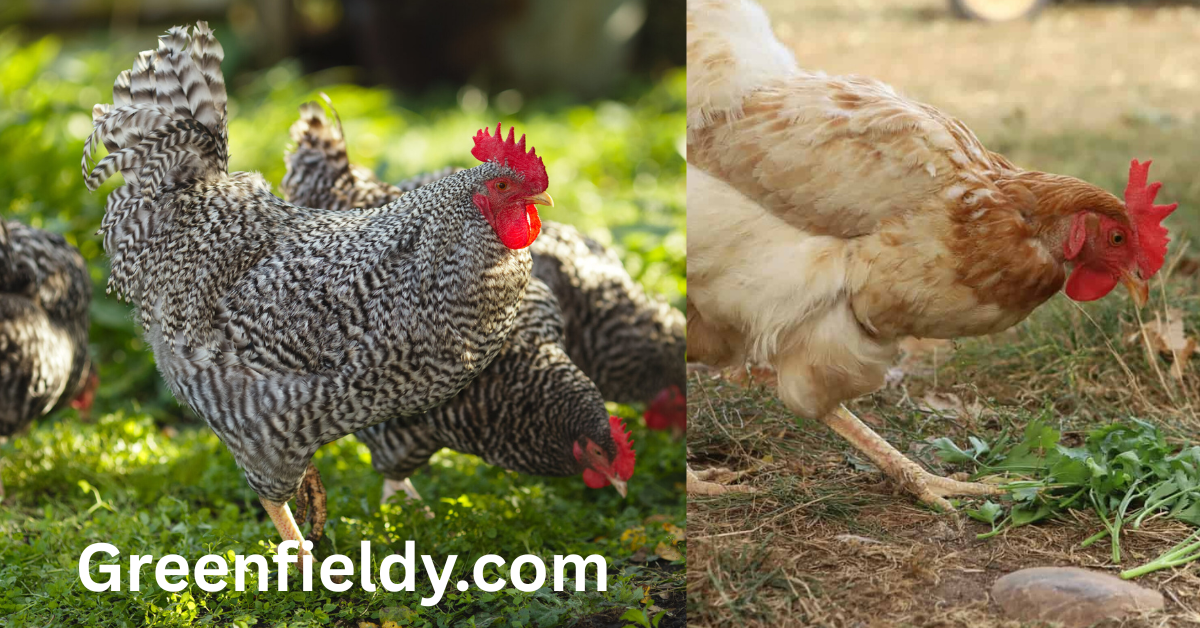
Can chickens eat cilantro is a common question among poultry keepers who want to add healthy greens into their flock’s diet. Chickens naturally enjoy pecking at fresh plants, herbs, and leafy vegetables, especially when they are roaming freely.
Cilantro, also known as coriander leaves, is widely used in human cooking for its fresh aroma and flavor. Because it is a herb rather than a vegetable, many chicken owners are unsure whether it is safe for poultry.
In this guide, we will clearly explain whether can chickens eat cilantro, how it benefits them, how to feed it safely, and what precautions to keep in mind.
What Is Cilantro?
Cilantro is the leafy part of the coriander plant. It is commonly used in salads, garnishing, and cooking for its strong aroma and fresh taste.
The same plant produces coriander seeds, but the leaves (cilantro) are the most commonly used part in cooking. It grows quickly and is easy to cultivate in gardens.
Can Chickens Eat Cilantro Safely?
Can chickens eat cilantro safely? Yes, chickens can safely eat cilantro without any toxic effects. It is considered a chicken-safe herb and can be fed as part of a varied diet.
Cilantro is non-toxic, easy to digest, and generally well-accepted by chickens. Most chickens enjoy pecking at fresh leafy herbs when given the opportunity.
Nutritional Value of Cilantro
Cilantro contains vitamins A, C, and K along with antioxidants and small amounts of minerals like potassium and manganese.
These nutrients can support immune health, feather quality, and overall vitality in chickens when included in moderation.
Although cilantro is not a primary nutrient source, it contributes positively to diet variety.
Benefits of Feeding Cilantro to Chickens
Can chickens eat cilantro for health benefits? Yes, cilantro can offer several minor benefits such as:
- Supporting immune function through antioxidants
- Improving diet variety and enrichment
- Encouraging natural foraging behavior
- Providing mild digestive support
These benefits are supportive rather than essential.
How to Feed Cilantro to Chickens
Cilantro should be washed thoroughly before feeding to remove dirt or pesticides. It can be given whole, chopped, or mixed with other greens.
Chickens can easily peck at cilantro leaves, and most birds will naturally consume it without any special preparation.
Fresh vs Wilted Cilantro
Fresh cilantro is more appealing to chickens and contains higher nutrient levels. However, slightly wilted cilantro is still safe to feed as long as it is not spoiled or moldy.
Moldy or rotten herbs should always be avoided as they can cause digestive issues.
Are There Any Risks?
Can chickens eat cilantro without risk? Yes, cilantro is generally very safe. However, like any treat, overfeeding can reduce dietary balance if it replaces complete poultry feed.
The main risk is not toxicity but over-reliance on treats instead of a balanced diet.
Cilantro Compared to Other Herbs
Compared to other herbs like mint or parsley, cilantro is equally safe for chickens. It is milder in effect and usually well-accepted by most flocks.
It is much safer than harmful plants like onion greens or certain wild weeds.
Best Feeding Practices
To safely feed cilantro:
- Wash thoroughly before use
- Offer in small amounts
- Mix with other safe greens
- Use as a treat, not a staple feed
FAQs
Can chickens eat cilantro daily?
No, it should be given occasionally as a supplement.
Can baby chicks eat cilantro?
Yes, but in very small chopped pieces.
Can chickens eat dried cilantro?
Fresh cilantro is better, but dried is safe if clean and mold-free.
Is cilantro good for chickens?
Yes, it provides antioxidants and dietary variety.
Can chickens eat coriander seeds too?
Yes, coriander seeds are also safe in small amounts.
Conclusion
Can chickens eat cilantro? Yes, chickens can safely eat cilantro as part of a balanced diet. It is a non-toxic herb that can add variety, enrichment, and minor nutritional benefits.
However, cilantro should always be treated as a supplement, not a replacement for proper poultry feed. A balanced diet remains essential for healthy, productive chickens.
About the Author