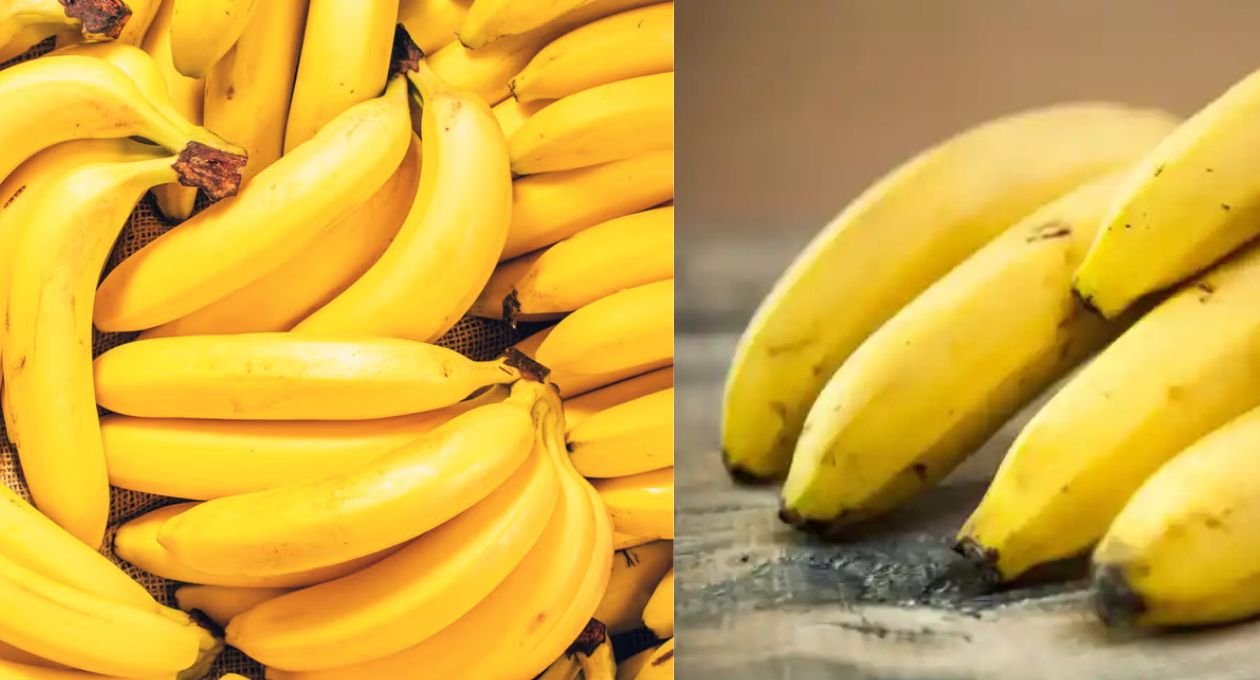
Bananas are one of the most recognizable fruits in the world because of their curved shape and bright yellow color. However, many other fruits share a similar appearance. Some grow in tropical forests, while others come from unique plant species but still resemble the familiar banana shape.
In this guide, we will explore different fruits that look like banana, their characteristics, taste, and where they are commonly found. Understanding these fruits can help gardeners, food lovers, and curious readers learn more about nature’s variety.
Understanding Fruits That Look Like Banana
Many fruits develop a curved or elongated shape similar to bananas. These similarities usually occur because of the way the fruit grows from the plant. In some cases, the fruit belongs to the same plant family, while in other cases it simply shares visual characteristics.
When people search for fruits that look like banana, they often discover fruits that are similar in size, color, or curved structure.
Plantains: The Closest Banana Relative

Plantains are probably the most well-known fruit that resembles bananas. They look almost identical but are usually larger and have thicker skin.
Unlike sweet bananas, plantains are mostly cooked before eating. They are widely used in African, Caribbean, and Latin American cuisines. Their firm texture and mild flavor make them ideal for frying, baking, or boiling.
Click The Latest Carrot Shortage
Finger Bananas (Lady Finger Bananas)

Finger bananas are smaller and slimmer than regular bananas but maintain the same curved structure. They are often sweeter and softer.
These miniature fruits are popular in tropical regions and are sometimes called “baby bananas.” Because of their small size, they are often used in desserts or fruit salads.
Red Bananas

Red bananas are another fruit variety that closely resembles the traditional banana shape. The main difference is their reddish-purple skin.
Inside, the fruit is creamy and slightly sweeter with a hint of berry-like flavor. They are commonly grown in Southeast Asia and parts of Central America.
Blue Java Bananas (Ice Cream Bananas)

Blue Java bananas are unique fruits that look similar to bananas but have a slightly bluish tint when unripe.
Once ripe, they turn yellow and have a creamy texture that many people compare to vanilla ice cream. Their shape and size make them easy to mistake for regular bananas.
Burro Bananas

Burro bananas are shorter and more squared compared to the typical curved banana. While they still resemble bananas, their thicker shape makes them stand out.
They are often used in cooking because they hold their structure well when heated. Their flavor is slightly tangy and lemon-like.
Wild Bananas

Wild bananas grow naturally in forests and tropical regions. Many of them have fruits that look very similar to cultivated bananas.
However, these fruits often contain large seeds and are not commonly eaten like commercial bananas. Scientists study these plants to understand banana evolution and improve cultivated varieties.
Banana Passionfruit

Banana passionfruit is an interesting fruit with a long, banana-like shape. Despite the resemblance, it belongs to the passionfruit family.
Its outer skin is yellow or orange, and inside it contains a juicy pulp with small seeds. The flavor is tangy and aromatic, often used in juices and desserts.
Why Some Fruits Develop Banana-Like Shapes
The curved shape seen in fruits that look like banana is often related to the way the fruit grows toward sunlight while attached to the plant.
As the fruit develops, gravity and growth patterns create a natural curve. This biological process explains why several unrelated fruits can share a similar appearance.
Culinary and Nutritional Value
Many fruits that resemble bananas also share similar nutritional benefits. They often contain potassium, fiber, and natural sugars that provide energy.
Some varieties are eaten raw, while others are better when cooked. This versatility makes banana-like fruits useful in both sweet and savory dishes.
FAQs
What fruits look most similar to bananas?
Plantains, finger bananas, red bananas, and blue Java bananas are among the fruits that most closely resemble traditional bananas in shape and size.
Are all banana-shaped fruits actually bananas?
No. Some fruits only share a similar appearance but belong to completely different plant families.
Can banana-like fruits be eaten raw?
Some varieties can be eaten raw, but others, such as plantains, are usually cooked before consumption.
Why do some fruits grow in a curved shape?
The curve forms because the fruit grows upward toward sunlight while hanging from the plant, creating the characteristic banana-like shape.
Conclusion
Nature produces an incredible variety of fruits, and several of them share the familiar curved shape of bananas. From plantains and finger bananas to banana passionfruit, these fruits that look like banana highlight how diverse the plant world can be.
While some of these fruits are closely related to bananas, others only resemble them in appearance. Learning about these fruits not only expands our knowledge of agriculture and botany but also introduces new flavors and culinary possibilities.
About the Author