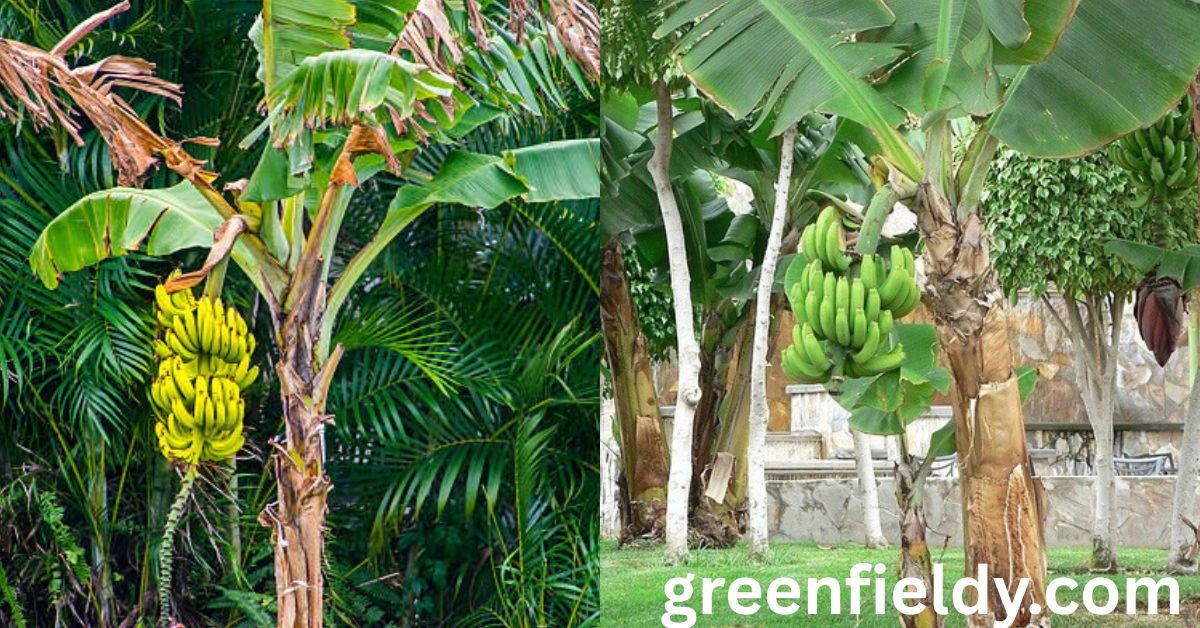
Banana plants bring a tropical charm to any garden, turning ordinary spaces into green, lively corners. If you want to learn how to grow a banana tree, the process is simpler than many people think. With the right climate, soil, care routine, and patience, you can grow a strong plant that produces healthy fruit or lush ornamental leaves. This guide explains each step clearly so beginners and home gardeners can succeed without confusion.
Understanding the Banana Plant
Before learning how to grow a banana tree, it is important to know that bananas are technically large herbaceous plants, not true trees. They grow from underground rhizomes and produce a pseudostem made of tightly packed leaves.
Most banana plants take 9–15 months to produce fruit, depending on climate and variety. Some types are grown for fruit, while others are valued for decorative foliage.
Choosing the Right Banana Variety
Selecting the correct variety is a key step in how to grow a banana tree successfully.
Common options include:
- Cavendish – Popular fruit-producing variety
- Dwarf Banana – Ideal for small gardens or containers
- Plantain – Best for cooking
- Ornamental varieties – Grown for landscape beauty
If space is limited, dwarf types are the best choice.
Ideal Climate and Growing Conditions
Banana plants thrive in warm, humid environments. The best conditions include:
- Temperature between 20–35°C (68–95°F)
- Full sunlight for 6–8 hours daily
- Protection from strong winds
Understanding climate needs is essential when learning how to grow a banana tree, because cold temperatures slow growth and may damage the plant.
Soil Requirements for Healthy Growth
Bananas grow best in:
- Well-drained, fertile soil
- Slightly acidic to neutral pH (5.5–7)
- Soil rich in organic matter
Mix compost or well-rotted manure before planting. Good soil preparation ensures strong roots and faster development.
Planting the Banana Tree
Follow these steps:
- Dig a hole about 2 feet wide and deep.
- Place the sucker or young plant in the center.
- Fill the hole with soil mixed with compost.
- Water immediately after planting.
Proper planting is a foundation step in how to grow a banana tree successfully.
Watering and Moisture Management
Banana plants need consistent moisture but do not tolerate waterlogging.
Watering tips:
- Water deeply 2–3 times per week in hot weather
- Reduce watering during cooler months
- Use mulch to retain soil moisture
Balanced watering supports steady growth and prevents root problems.
Fertilization and Nutrient Needs
Bananas are heavy feeders. Apply:
- Organic compost monthly
- Balanced fertilizer rich in nitrogen and potassium
- Additional potassium during fruiting stage
Regular feeding is an important part of how to grow a banana tree that produces healthy leaves and fruit.
Pruning and Maintenance
To keep the plant healthy:
- Remove dry or damaged leaves
- Keep only one main stem and one or two suckers
- Remove extra shoots to focus energy on fruit production
Good maintenance improves airflow and reduces disease risk.
Pest and Disease Control
Common issues include:
- Aphids and spider mites
- Fungal leaf spots
- Root rot due to overwatering
Prevention tips:
- Ensure proper drainage
- Keep the area clean
- Use organic neem spray if pests appear
Healthy growing conditions reduce most problems naturally.
Harvesting Bananas
Most varieties produce fruit within a year. Signs of maturity include:
- Full-sized green bananas
- Rounded edges instead of sharp angles
Cut the entire bunch and allow bananas to ripen at room temperature. Harvesting at the right time completes the journey of how to grow a banana tree at home.
FAQs
1. How long does it take to grow a banana tree?
Most banana plants take 9–15 months to produce fruit, depending on variety and climate.
2. Can I grow a banana tree in a pot?
Yes, dwarf varieties grow well in large containers with good drainage and regular feeding.
3. How often should I water a banana plant?
Water deeply several times a week in warm weather, keeping the soil moist but not soggy.
4. Do banana trees need full sun?
Yes, at least 6–8 hours of direct sunlight is ideal for strong growth.
5. Why are my banana leaves turning yellow?
Yellow leaves may result from overwatering, nutrient deficiency, or poor drainage.
Conclusion
Learning how to grow a banana tree is a rewarding experience for any home gardener. With warm temperatures, rich soil, regular watering, and proper care, banana plants grow quickly and create a lush tropical atmosphere. Whether you want fresh fruit or a decorative plant, following the right steps ensures healthy growth and long-term success. With patience and consistent care, your garden can become a thriving green oasis anchored by a strong, vibrant banana plant.
About the Author