Understanding the Mango Shortage
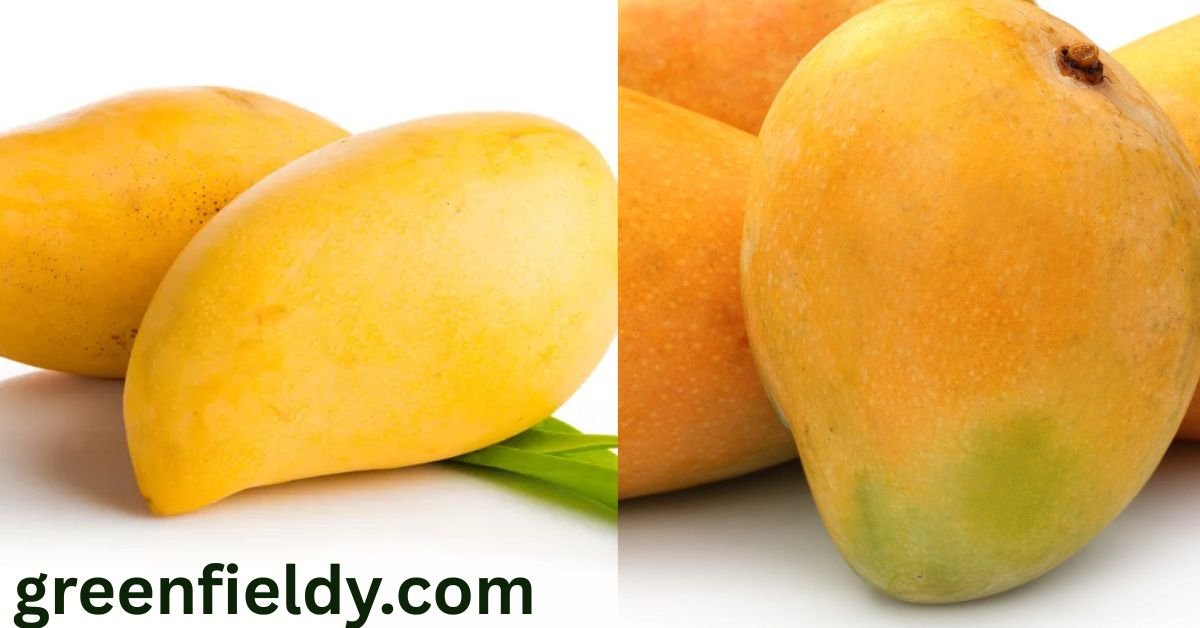
A mango shortage refers to a situation where mango supply fails to meet market demand during the harvesting and selling season. Mangoes are one of the most consumed fruits worldwide, especially in South Asia, making any disruption noticeable. When availability drops, prices rise, quality varies, and consumers feel the gap almost immediately.
Key Causes Behind the Mango Shortage
Several factors contribute to the mango shortage each year. Unpredictable weather patterns, such as heatwaves, unseasonal rains, and storms, directly affect flowering and fruit setting. In addition, pest attacks and plant diseases reduce yields, while water scarcity limits healthy growth in mango orchards.
Climate Change and Its Role
Climate change has intensified the mango shortage in recent years. Higher temperatures during flowering can cause blossoms to fall prematurely. Sudden rain during harvesting damages ripe fruit, making it unsuitable for sale. These climate shifts reduce overall output and disrupt traditional growing cycles.
Impact on Farmers and Growers
For farmers, a mango deficiency brings mixed consequences. While prices may increase, the reduced volume often results in lower total income. Small-scale growers are especially vulnerable, as they rely heavily on a successful mango season to cover yearly expenses and reinvest in farming.
Effects on Local and Global Markets
The mango shortage affects both domestic and international markets. Exporting countries face challenges meeting overseas demand, leading to canceled orders or limited shipments. Locally, consumers experience higher prices and fewer varieties, altering buying habits and seasonal consumption patterns.
Rising Prices and Consumer Behavior
One immediate result of the mango deficiency is price inflation. Premium varieties become luxury items, and average consumers may reduce purchases or switch to alternative fruits. This change in behavior can influence retailers and wholesalers to adjust supply strategies.
Quality Concerns During Short Supply
During a mango shortage, quality often becomes inconsistent. Early harvesting to meet demand may lead to less flavorful fruit, while storage and transportation challenges can reduce freshness. Consumers may notice changes in taste, size, and ripeness levels.
Government and Agricultural Responses
Governments and agricultural departments play a role in managing the mango shortage. Initiatives such as farmer subsidies, improved irrigation systems, and research into climate-resistant mango varieties help stabilize future supply. Awareness programs also guide farmers on better crop management practices.
Long-Term Solutions to Prevent Shortages
Addressing the mango shortage requires long-term planning. Sustainable farming methods, improved pest control, and modern storage facilities can protect yields. Investing in climate-smart agriculture ensures mango production remains stable despite environmental changes.
Future Outlook for Mango Production
The future of mango supply depends on how effectively current challenges are managed. With better technology, farmer education, and climate adaptation strategies, the mango deficiency can be reduced. However, continued monitoring and proactive measures are essential to maintain balance in the market.
FAQs About Mango Shortage
1. Why is there a mango shortage this year?
The mango deficiency is mainly due to extreme weather, pest issues, and reduced flowering during critical growth stages.
2. Does a mango shortage affect all varieties equally?
No, premium and export-quality varieties are usually more affected due to higher demand and stricter quality standards.
3. How does mango shortage impact prices?
Prices typically rise as supply decreases, making mangoes more expensive for consumers.
4. Can imports reduce the mango deficiency?
Imports may help slightly, but they often come with higher costs and limited availability.
5. Is the mango shortage a long-term issue?
It can become long-term if climate and agricultural challenges are not addressed properly.
Conclusion
The mango shortage is a complex issue influenced by climate change, farming challenges, and market dynamics. Its impact reaches farmers, consumers, and global trade alike. By adopting sustainable agricultural practices and supporting growers, the effects of the mango deficiency can be minimized, ensuring that this beloved fruit remains accessible for future generations.
About the Author