
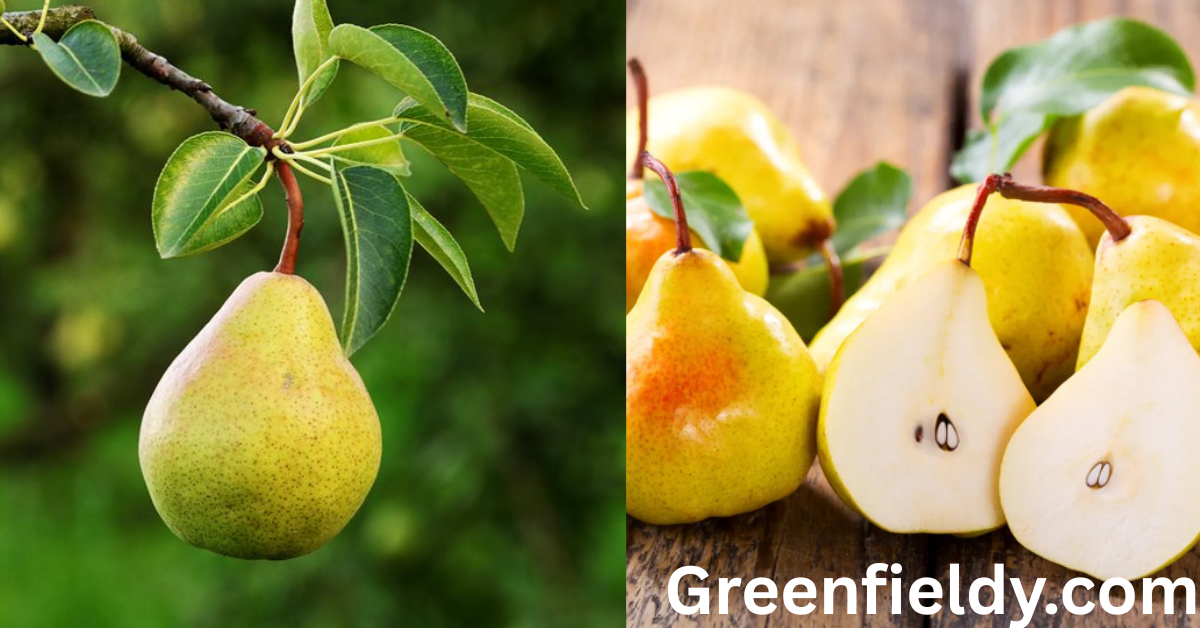
In recent years, global food supply chains have faced numerous disruptions, and one issue gaining attention is the growing pears shortage. While pears may not always dominate headlines like staple crops such as wheat or rice, they play an important role in both local agriculture and international fruit markets. This shortage has begun to affect farmers, retailers, and consumers alike, raising concerns about pricing, availability, and long-term sustainability.
In this article, we’ll explore the key causes behind the pears shortage, its economic and environmental impacts, and what consumers can expect moving forward.
Understanding the Pears Shortage
A pears shortage occurs when supply cannot meet demand, leading to reduced availability in markets. This imbalance can be caused by a range of factors, including climate conditions, agricultural challenges, labor shortages, and logistical disruptions.
Pears are grown in temperate regions across the world, including parts of Europe, Asia, and North America. Because pear trees are sensitive to environmental changes, even minor disruptions can significantly affect yields.
Major Causes of the Pears Shortage
1. Climate Change and Extreme Weather
One of the biggest contributors to the pears shortage is climate change. Pear trees require specific conditions to thrive, including cold winters for proper dormancy and mild springs for flowering. However, unpredictable weather patterns—such as late frosts, heatwaves, droughts, and heavy rains—have increasingly damaged crops.
For example:
- Late frosts can kill blossoms before fruit develops.
- Heatwaves can reduce fruit size and quality.
- Drought conditions limit water availability for orchards.
These environmental challenges have reduced overall production in several major pear-growing regions.
2. Decline in Agricultural Land
Urbanization and land conversion have also reduced the amount of farmland dedicated to pear cultivation. Farmers may switch to more profitable or less labor-intensive crops, especially when pear farming becomes risky due to unpredictable yields.
In some regions, aging orchards are not being replaced at the same rate, further contributing to declining production.
3. Labor Shortages
Harvesting pears requires skilled labor, and many agricultural sectors are facing workforce shortages. Migration restrictions, rising labor costs, and changing employment patterns have made it difficult for farmers to find workers during peak harvest seasons.
Without sufficient labor, fruit may go unharvested, leading to waste and reduced supply in the market.
4. Supply Chain Disruptions
Global logistics issues, including shipping delays and increased transportation costs, have also contributed to the pears shortage. Even when production is stable, getting pears from farms to consumers has become more complex.
Cold storage and timely transportation are essential for maintaining fruit quality. Any delays can result in spoilage, reducing the quantity of pears available for sale.
5. Pests and Diseases
Like many crops, pears are vulnerable to pests and diseases such as fire blight, pear psylla, and fungal infections. These threats can spread quickly and damage entire orchards if not managed properly.
Increased resistance to pesticides and stricter regulations on chemical use have made pest control more challenging, further impacting yields.
Impact of the Pears Shortage
1. Rising Prices
One of the most immediate effects of a pears shortage is higher prices. When supply decreases and demand remains steady, prices naturally increase. Consumers may notice that pears are more expensive or less frequently available in stores.
2. Reduced Availability
Retailers may limit the variety and quantity of pears they stock. Some imported varieties may disappear entirely from certain markets, especially if transportation costs become too high.
3. Pressure on Farmers
While higher prices might seem beneficial for farmers, the reality is more complex. Reduced yields and increased production costs can offset any financial gains. Farmers also face uncertainty about future harvests, making long-term planning difficult.
4. Shift to Alternative Fruits
Consumers may turn to other fruits such as apples, bananas, or citrus as substitutes. This shift can impact demand patterns and influence agricultural decisions in the long run.
How the Industry Is Responding
1. Improved Farming Techniques
Farmers are adopting new technologies and practices to improve resilience, such as:
- Drip irrigation systems to conserve water
- Climate-resistant pear varieties
- Integrated pest management techniques
2. Investment in Research
Agricultural research institutions are working to develop disease-resistant and climate-adapted pear varieties. These innovations aim to stabilize production and reduce vulnerability to environmental stress.
3. Supply Chain Optimization
Efforts are being made to improve logistics, including better storage facilities and more efficient transportation networks. These improvements can help reduce waste and ensure pears reach markets in good condition.
What Consumers Can Do
While the pears shortage is largely beyond individual control, consumers can take small steps to adapt:
- Buy seasonal produce: Locally grown pears are more likely to be available and affordable.
- Reduce food waste: Make the most of the pears you purchase by storing them properly.
- Try alternatives: Explore other fruits with similar nutritional benefits.
- Support local farmers: Purchasing from local markets can help sustain regional agriculture.
Future Outlook
The pears shortage highlights broader challenges within global agriculture. As climate change continues to affect food production, similar shortages may occur with other crops.
However, innovation and adaptation offer hope. With continued investment in sustainable farming and improved supply chains, the pear industry can recover and become more resilient over time.
FAQs
1. Why is there a pears shortage right now?
The pears shortage is mainly caused by climate change, extreme weather events, labor shortages, and supply chain disruptions. These factors have reduced production and limited distribution.
2. Are pears going to become more expensive?
Yes, in many regions, pear prices have already increased due to limited supply. Prices may remain high until production stabilizes.
3. Which countries are most affected by the pears shortage?
Major pear-producing regions in Europe, Asia, and North America have experienced challenges, particularly those affected by extreme weather conditions.
4. Can farmers recover from the pears shortage?
Recovery is possible, but it may take time. Farmers need support, improved technologies, and stable climate conditions to restore production levels.
5. What fruits can replace pears in my diet?
Apples, peaches, and plums are good alternatives to pears. They offer similar textures and nutritional benefits.
6. Is the pears shortage temporary or long-term?
It depends on how quickly the underlying issues—especially climate change and supply chain problems—are addressed. Some shortages may be temporary, while others could persist.
Conclusion
The pears shortage is a complex issue driven by environmental, economic, and logistical challenges. From unpredictable weather patterns to labor constraints and supply chain inefficiencies, multiple factors are contributing to reduced availability worldwide.
For consumers, this means higher prices and fewer options in stores. For farmers, it represents ongoing uncertainty and financial pressure. However, with advancements in agricultural practices and increased awareness of sustainability, there is hope for a more stable future.
Ultimately, the pears shortage serves as a reminder of how interconnected our global food systems are—and how important it is to support resilient and sustainable agriculture moving forward.
About the Author