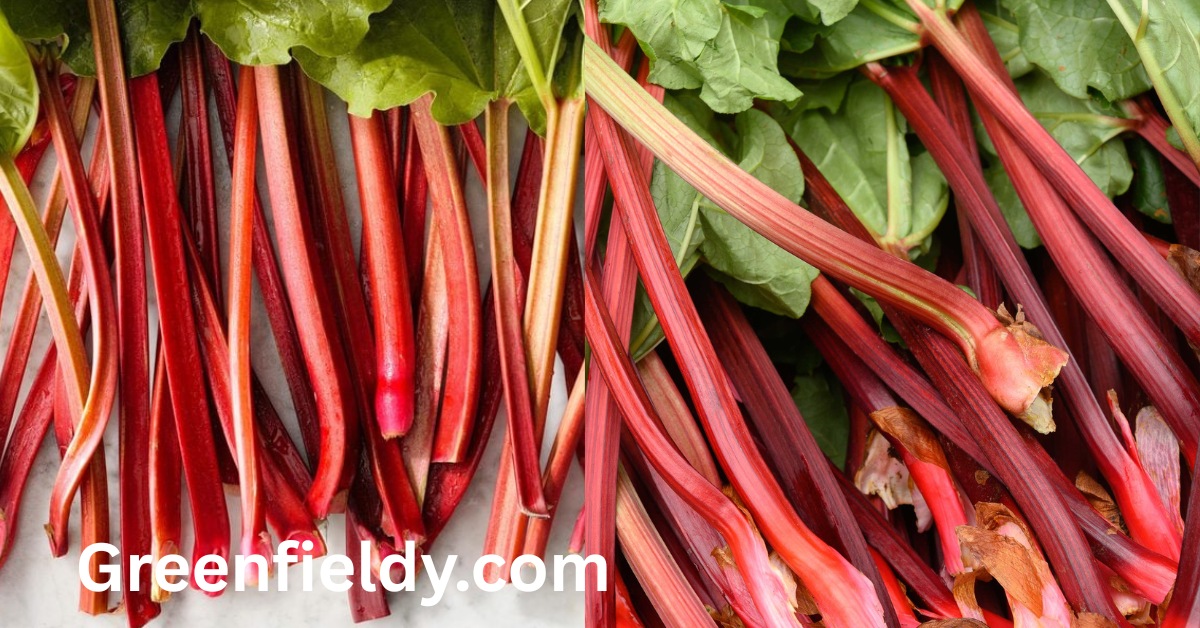
In today’s unpredictable agricultural landscape, even niche crops are not immune to disruption. One such example is the rhubarb shortage—a situation that has quietly affected farmers, retailers, and consumers alike. Known for its tart flavor and bright red stalks, rhubarb is a seasonal favorite in pies, jams, and desserts. However, fluctuations in supply have made it harder to find and more expensive in certain regions.
This blog explores the reasons behind the rhubarb shortage, its wider implications, and how individuals and businesses can adapt. Whether you’re a home cook, gardener, or food industry professional, understanding this issue offers valuable insight into how fragile produce supply chains can be.
Also Read; Celery Shortage
What Is the Rhubarb Shortage?
A rhubarb shortage occurs when supply fails to meet demand, resulting in limited availability and increased prices. Because rhubarb is not grown year-round in most climates, it is especially vulnerable to seasonal disruptions. Even minor setbacks during the growing period can significantly affect overall yield.
Unlike staple vegetables, rhubarb is considered a specialty crop, which means fewer farms grow it at scale. This makes the supply chain less resilient when faced with environmental or economic challenges.
Main Causes of the Rhubarb Shortage
1. Unpredictable Weather Patterns
Rhubarb thrives in cool climates and requires a specific balance of cold dormancy and mild spring temperatures. Warmer winters or sudden temperature swings can disrupt its growth cycle. If the plant doesn’t experience enough cold exposure, it may produce weaker stalks or fail to grow properly.
Late frosts are equally damaging, as they can kill early shoots and reduce harvest volumes significantly.
2. Short Growing Season
Rhubarb has a naturally limited harvest window, typically in spring and early summer. Unlike other vegetables that can be grown multiple times a year, rhubarb is harvested only once per season in most regions. This makes supply highly sensitive to any disruptions during that period.
3. Declining Farm Production
Many farmers are shifting away from specialty crops like rhubarb in favor of more profitable or easier-to-manage produce. Rhubarb requires patience, proper soil conditions, and several years to establish fully productive plants. Rising labor and input costs have made it less attractive compared to faster-growing crops.
4. Transportation and Supply Chain Issues
Even when rhubarb is successfully harvested, getting it to markets can be a challenge. Delays in transportation, lack of refrigerated storage, or increased fuel costs can reduce the quality and availability of rhubarb by the time it reaches consumers.
5. Pest and Disease Problems
Rhubarb plants are susceptible to crown rot and other fungal diseases, especially in overly wet conditions. Pest infestations can also damage crops, reducing both quality and yield. These issues can wipe out significant portions of a harvest if not managed effectively.
Impact of the Rhubarb Shortage
1. Higher Prices for Consumers
One of the most noticeable effects is a spike in prices. Fresh rhubarb may become a premium product during shortage periods, making it less accessible to everyday buyers.
2. Limited Availability in Stores
Grocery stores and farmers’ markets may struggle to keep rhubarb in stock. When available, quantities are often limited, leading to quick sellouts.
3. Challenges for Bakeries and Food Businesses
Rhubarb is a key ingredient in seasonal desserts like pies, crumbles, and preserves. Bakeries and restaurants may need to adjust menus or reduce offerings when supply is inconsistent.
4. Increased Demand for Alternatives
As rhubarb becomes scarce, consumers turn to substitutes such as tart berries, apples, or tamarind to replicate its flavor profile in recipes.
How Businesses Are Adapting
Diversifying Ingredient Options
Many food businesses are experimenting with new recipes that don’t rely solely on rhubarb. This helps maintain menu variety even when supply is limited.
Sourcing from Multiple Regions
Retailers are expanding their sourcing networks to include different growing regions. This reduces reliance on a single area and helps stabilize supply.
Investing in Storage and Preservation
Some businesses are freezing rhubarb during peak season to ensure availability throughout the year. This approach helps mitigate the effects of seasonal shortages.
What Consumers Can Do
Try Creative Substitutes
If rhubarb is unavailable, ingredients like cranberries, green apples, or sour cherries can mimic its tangy flavor in desserts and sauces.
Buy When in Season
Purchasing rhubarb during peak season not only ensures better quality but also supports farmers and reduces costs.
Preserve for Later Use
Freezing or making jams with rhubarb when it’s abundant allows you to enjoy it year-round, even during shortages.
Grow Your Own Rhubarb
Rhubarb is a perennial plant that can thrive in home gardens with the right conditions. Once established, it can produce for many years, making it a reliable personal supply.
Long-Term Outlook
The rhubarb shortage reflects broader challenges in agriculture, including climate change, shifting market demands, and resource constraints. As weather patterns become more unpredictable, specialty crops like rhubarb are likely to face ongoing risks.
However, innovation offers hope. Advances in greenhouse cultivation and climate-controlled farming could help extend the growing season and protect crops from extreme conditions. Additionally, increased awareness of sustainable farming practices may encourage more farmers to continue growing rhubarb.
Consumers are also becoming more adaptable, embracing seasonal eating habits and exploring alternative ingredients. This shift can reduce pressure on single crops and create a more balanced food system.
FAQs About Rhubarb Shortage
Q1: Why is rhubarb hard to find right now?
Rhubarb shortages are usually caused by poor weather conditions, limited growing seasons, and reduced farming production.
Q2: Is the rhubarb shortage happening everywhere?
Not necessarily. It often depends on regional growing conditions, though supply chain issues can spread the impact.
Q3: What are the best substitutes for rhubarb?
Tart fruits like cranberries, sour cherries, and green apples work well as substitutes in most recipes.
Q4: Can I freeze rhubarb for later use?
Yes, rhubarb freezes well and can be stored for months without losing much quality.
Q5: Why don’t more farmers grow rhubarb?
Rhubarb takes time to establish and may not be as profitable as other crops, making it less appealing for large-scale farming.
Q6: How long do rhubarb shortages last?
They can last for a season or longer depending on weather recovery and production levels.
Q7: Is rhubarb affected by climate change?
Yes, changing temperatures and unpredictable weather patterns can disrupt its growth cycle.
Conclusion
The rhubarb shortage may seem like a small issue at first glance, but it reveals much larger challenges within modern agriculture. From climate instability to economic pressures, multiple factors are reshaping how and what farmers choose to grow.
For consumers, the shortage encourages flexibility—whether that means trying new ingredients, preserving seasonal produce, or even growing food at home. For businesses, it highlights the importance of adaptability and innovation in maintaining consistent offerings.
While rhubarb may not be available year-round or at stable prices, its seasonal charm remains part of its appeal. Understanding the reasons behind its scarcity helps us appreciate not only the ingredient itself but also the complex systems that bring food to our tables.
About the Author