In recent years, food supply disruptions have become more common, affecting everything from staple grains to fresh produce. One such issue gaining attention is the celery shortage. While celery might seem like a simple, everyday vegetable, its absence or limited availability can ripple across households, restaurants, and food industries. This blog explores the causes behind the celery shortage, its broader impacts, and what consumers and businesses can do to adapt.
What Is the Celery Shortage?
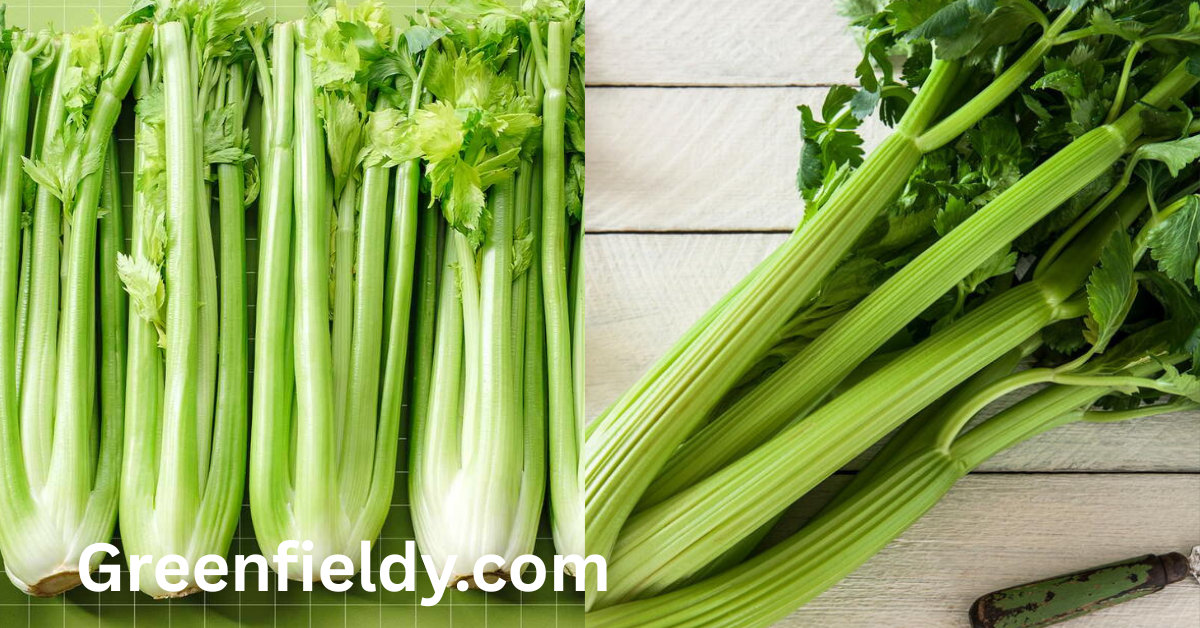
A celery shortage refers to a significant reduction in the supply of celery in markets, leading to higher prices and limited availability. This shortage can occur regionally or globally depending on environmental, economic, and logistical factors. While shortages may be temporary, their effects can be noticeable, especially for those who rely on celery as a key ingredient in cooking, juicing, or health diets.
Key Causes of the Celery Shortage
1. Extreme Weather Conditions
Celery is a sensitive crop that requires consistent moisture and moderate temperatures to grow properly. Extreme weather events such as droughts, floods, or unexpected frosts can severely impact production. For example, prolonged heat waves can stunt celery growth, while excessive rainfall can lead to crop diseases and rot.
2. Water Supply Issues
Celery farming is highly water-dependent. In regions where water scarcity is becoming a major concern, farmers may reduce celery cultivation in favor of crops that require less irrigation. Water restrictions and rising costs further discourage large-scale production.
3. Supply Chain Disruptions
Global supply chains have faced significant strain in recent years due to transportation issues, labor shortages, and fuel costs. Even if celery is successfully harvested, delays in transportation or lack of workers can prevent it from reaching markets in time.
4. Rising Production Costs
The cost of farming has increased due to higher prices for fertilizers, seeds, labor, and fuel. Farmers may shift to more profitable crops, reducing the acreage dedicated to celery. This shift directly contributes to reduced supply.
5. Pest and Disease Outbreaks
Celery crops are vulnerable to various pests and diseases such as leaf blight and aphid infestations. If outbreaks occur, large portions of crops may be lost, further tightening supply.
Impact of the Celery Shortage
1. Increased Prices
One of the most immediate effects of a celery shortage is a rise in prices. Consumers may notice that celery becomes significantly more expensive or is sold in smaller quantities.
2. Restaurant and Food Industry Challenges
Restaurants, juice bars, and food manufacturers often rely on celery for recipes, stocks, soups, and beverages. A shortage can force them to adjust menus, substitute ingredients, or increase prices.
3. Consumer Behavior Changes
Shoppers may begin to look for alternatives such as fennel, bok choy, or celery seeds for flavor. Some may reduce consumption altogether due to higher costs.
4. Nutritional Impact
Celery is valued for its low calorie content, hydration benefits, and vitamins. A shortage may push consumers to seek other vegetables to maintain a balanced diet.
How Businesses Are Responding
1. Diversifying Suppliers
Retailers and food companies are sourcing celery from multiple regions to reduce dependency on a single supply chain.
2. Ingredient Substitution
Chefs and manufacturers are experimenting with substitutes that mimic celery’s crunch and flavor. This includes using green onions, cabbage, or herbs.
3. Adjusting Pricing Strategies
Businesses may gradually increase prices or offer smaller portions to manage costs without losing customers.
What Consumers Can Do
1. Explore Alternatives
If celery is unavailable or too expensive, consider alternatives like cucumbers for crunch or parsley for flavor in soups and salads.
2. Buy Seasonal Produce
Choosing vegetables that are in season locally can help reduce reliance on imported goods and support local farmers.
3. Reduce Food Waste
When celery is available, store it properly to extend its shelf life. Wrapping it in foil and refrigerating can help keep it fresh longer.
4. Grow Your Own
Celery can be grown at home with patience and proper care. Even small home gardens can help reduce dependence on market supply.
Long-Term Outlook
The celery shortage is a reminder of how fragile food systems can be. Climate change, water scarcity, and economic pressures are likely to continue affecting agricultural production. However, advancements in farming techniques such as hydroponics and controlled-environment agriculture may help stabilize supply in the future.
Governments and agricultural organizations are also working toward sustainable farming practices that use less water and are more resilient to climate variations. These efforts could help prevent similar shortages in the long run.
FAQs About Celery Shortage
Q1: Why is celery suddenly hard to find?
Celery shortages are often caused by weather issues, supply chain disruptions, and reduced farming due to high costs.
Q2: Is the celery shortage global?
Not always. It can be regional depending on where production is affected, but global trade can spread the impact.
Q3: What are the best substitutes for celery?
Common substitutes include fennel, bok choy, cabbage, and green onions, depending on the recipe.
Q4: Will celery prices go back down?
Prices usually stabilize once supply improves, but this depends on weather conditions and production levels.
Q5: Can I grow celery at home?
Yes, celery can be grown at home, though it requires consistent watering and care.
Q6: Does celery shortage affect health trends like juicing?
Yes, especially for celery juice enthusiasts, as availability and cost can disrupt routines.
Q7: How long do celery shortages last?
They can last from a few weeks to several months depending on the underlying causes.
Conclusion
The celery shortage highlights the interconnected nature of agriculture, climate, and global supply chains. What might seem like a minor inconvenience at first can reveal deeper challenges within the food system. From extreme weather to rising costs, multiple factors contribute to reduced availability and higher prices.
For consumers, adapting to these changes means being flexible with food choices and exploring alternatives. For businesses, it requires innovation and strategic sourcing. While the shortage may be temporary, it serves as an important reminder of the need for sustainable farming and resilient supply systems.
By understanding the causes and impacts of the celery shortage, individuals and industries alike can make informed decisions and better prepare for future disruptions in food supply.
About the Author