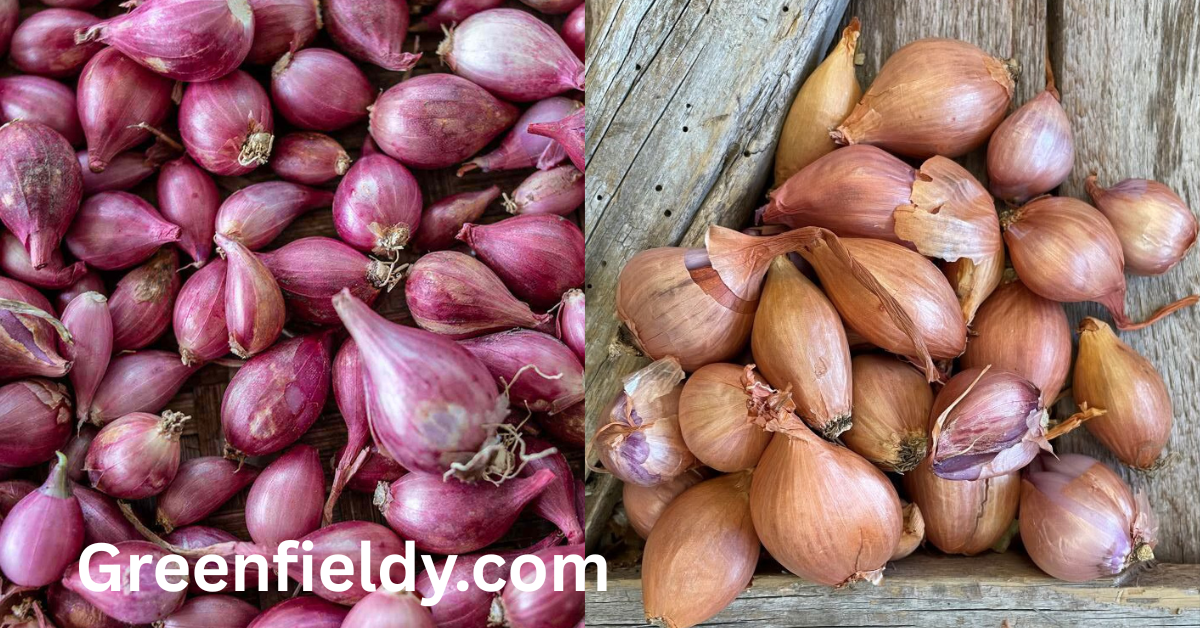
In recent months, the global food market has been grappling with an unexpected issue: a shallot shortage. While shallots may seem like a small, niche ingredient compared to staples like onions or potatoes, their absence is being felt across kitchens, restaurants, and supply chains worldwide. Known for their delicate flavor—a subtle blend of onion and garlic—shallots are a favorite among chefs and home cooks alike. So, what exactly is behind this shortage, and how does it affect consumers and the food industry?
This article explores the causes, consequences, and potential solutions to the shallot shortage, along with practical tips for adapting during this period.
What Are Shallots and Why Are They Important?
Shallots belong to the allium family, which includes onions, garlic, and leeks. They are prized for their mild, slightly sweet flavor and are commonly used in sauces, dressings, and gourmet dishes. French cuisine, in particular, relies heavily on shallots, making them a key ingredient in many classic recipes.
Their culinary importance goes beyond taste. Shallots are also valued for their nutritional benefits, including antioxidants, vitamins, and compounds that may support heart health.
Causes of the Shallot Shortage
The current shortage is not due to a single factor but rather a combination of environmental, economic, and logistical challenges.
1. Unfavorable Weather Conditions
Weather plays a crucial role in agricultural output, and shallots are no exception. Excessive rainfall, droughts, and unseasonal temperature changes have disrupted growing cycles in major producing regions. Flooding can rot crops, while drought reduces yield and quality.
2. Crop Diseases and Pests
Shallots are vulnerable to fungal infections and pests that can spread rapidly across farms. In recent growing seasons, outbreaks of plant diseases have significantly reduced harvest volumes in key agricultural areas.
3. Supply Chain Disruptions
Global supply chains are still recovering from disruptions caused by past economic shocks and transportation issues. Delays in shipping, rising fuel costs, and limited labor availability have made it harder to distribute shallots efficiently.
4. Increased Demand
Ironically, demand for shallots has risen in recent years. With more people cooking at home and exploring gourmet recipes, the popularity of shallots has grown. This surge in demand has intensified the impact of reduced supply.
5. Export Restrictions
Some countries have imposed temporary export limits to secure domestic supply. While this helps local markets, it reduces availability globally and drives up prices.
Impact of the Shallot Shortage
The shortage is having a ripple effect across multiple sectors.
1. Rising Prices
One of the most immediate impacts is the increase in shallot prices. Consumers are paying significantly more for smaller quantities, making shallots a luxury ingredient in some regions.
2. Restaurant Challenges
Restaurants that rely on shallots for signature dishes are being forced to adapt. Some are reformulating recipes, while others are passing increased costs on to customers.
3. Retail Limitations
Grocery stores are experiencing inconsistent supply, with shelves often running out of shallots quickly. This unpredictability makes it difficult for consumers to plan meals.
4. Pressure on Farmers
Farmers face a complex situation. While higher prices might seem beneficial, reduced yields and increased production costs often offset potential profits.
Alternatives to Shallots
If you’re struggling to find shallots, there are several substitutes that can help you maintain flavor in your dishes.
- Red Onions: These offer a similar sweetness but are slightly stronger in taste.
- Yellow Onions: More pungent but widely available and affordable.
- Leeks: Provide a mild onion flavor, ideal for soups and stews.
- Garlic and Onion Mix: Combining small amounts of both can mimic the complexity of shallots.
While these substitutes won’t perfectly replicate shallots, they can work well in most recipes with slight adjustments.
How Consumers Can Adapt
The shortage doesn’t mean you have to abandon your favorite recipes. Here are a few practical strategies:
1. Use Smaller Quantities
Shallots have a concentrated flavor, so using less can still deliver the desired taste.
2. Experiment with Recipes
This is an opportunity to try new ingredients and flavor combinations. Cooking creatively can lead to exciting culinary discoveries.
3. Buy in Bulk When Available
If you come across a fresh supply, consider buying extra and storing them properly to extend their shelf life.
4. Support Local Farmers
Purchasing from local markets may increase your chances of finding shallots and helps support regional agriculture.
Long-Term Outlook
The shallot shortage is likely temporary, but its duration depends on several factors. Improved weather conditions, better disease management, and stabilized supply chains could restore normal availability. However, ongoing climate challenges may continue to create fluctuations in production.
Some experts believe this situation highlights the need for more resilient agricultural systems. Diversifying crops, investing in sustainable farming practices, and strengthening local food networks could help prevent similar shortages in the future.
FAQs About Shallot Shortage
1. Why are shallots so expensive right now?
Prices have increased due to reduced supply caused by weather issues, crop diseases, and supply chain disruptions, combined with rising demand.
2. How long will the shallot shortage last?
It depends on future harvests and global trade conditions. If growing conditions improve, supply could stabilize within one or two seasons.
3. Can I substitute onions for shallots in recipes?
Yes, onions are the most common substitute. Red onions are closest in flavor, though slightly stronger.
4. Are shallots essential for cooking?
No, they are not essential. While they enhance flavor, many dishes can be successfully prepared using alternatives.
5. Which countries produce the most shallots?
Major producers include countries in Southeast Asia and parts of Europe. Changes in production in these regions can impact global supply.
6. How should I store shallots to make them last longer?
Store them in a cool, dry, and well-ventilated place. Avoid refrigeration unless they are peeled or cut.
7. Is the shortage affecting other vegetables too?
Yes, similar factors like climate change and supply chain issues are impacting various crops worldwide.
Conclusion
The shallot shortage serves as a reminder of how interconnected our food systems are. A combination of environmental challenges, rising demand, and logistical disruptions has created a situation where a once-common ingredient has become scarce and expensive.
While the shortage may be temporary, it underscores the importance of adaptability in both cooking and agriculture. By exploring substitutes, supporting local producers, and staying informed, consumers can navigate this challenge with minimal disruption.
In the end, the situation also offers an opportunity—to rethink how we source, use, and value our food. Whether you’re a professional chef or a home cook, learning to adapt to ingredient shortages can make you more resourceful and creative in the kitchen.
About the Author