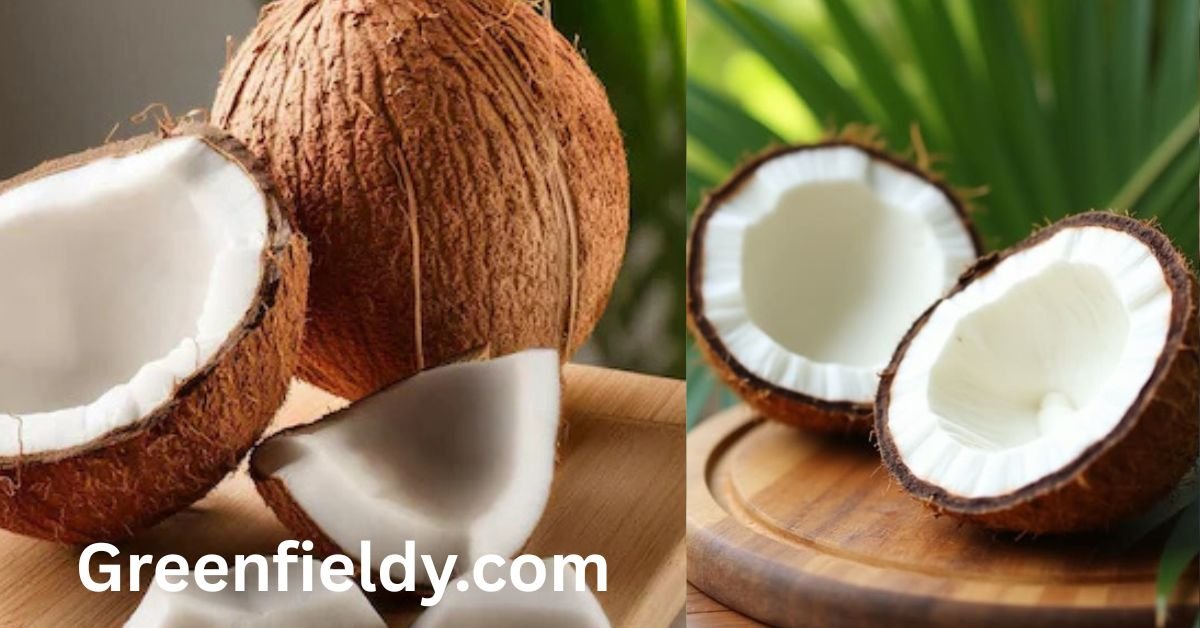
In recent years, the term “coconut shortage” has been appearing more frequently in news reports, market analyses, and everyday conversations. Once considered a widely available tropical staple, coconuts are now facing supply constraints that are affecting industries and households alike. From rising prices of coconut oil to limited availability of coconut-based products, the shortage is becoming a global concern.
This blog post explores the root causes of the coconut shortage, its ripple effects across industries, and what the future may hold.
Understanding the Coconut Economy
Coconuts are more than just a fruit—they are a versatile commodity used in food, cosmetics, medicine, and even construction. Coconut oil, milk, water, and husk-based products have strong demand worldwide. Major coconut-producing countries include the Philippines, Indonesia, and India, which collectively account for a large share of global supply.
However, the coconut industry is highly sensitive to environmental conditions and long production cycles. Unlike annual crops, coconut trees take several years to mature, making supply less flexible when disruptions occur.
Major Causes of the Coconut Shortage
1. Climate Change and Extreme Weather
One of the most significant contributors to the coconut shortage is climate change. Unpredictable weather patterns—such as prolonged droughts, heavy rainfall, and storms—have disrupted coconut farming in key producing regions.
For instance, drought conditions reduce flowering and fruit development, while typhoons can destroy entire plantations in a matter of hours. These events not only affect current yields but can damage trees for years to come.
2. Aging Coconut Trees
A less visible but critical issue is the aging population of coconut trees. Many plantations around the world are filled with trees that are decades old. As coconut trees age, their productivity declines significantly.
Replacing these trees is not a quick fix. Newly planted coconut trees can take 6–10 years before they begin producing fruit, making replanting a long-term investment that many farmers struggle to afford.
3. Rising Global Demand
At the same time that supply is under pressure, demand for coconut products is surging. The popularity of plant-based diets, natural skincare, and health-conscious living has boosted the consumption of coconut oil, coconut milk, and coconut water.
Coconut oil, in particular, has gained attention as a cooking alternative and ingredient in processed foods. This surge in demand has intensified pressure on already limited supplies.
4. Supply Chain Disruptions
Global supply chains have faced numerous challenges in recent years, including shipping delays, labor shortages, and rising transportation costs. These disruptions have made it more difficult to move coconuts and coconut products from farms to markets.
In some cases, producing countries prioritize exports to take advantage of higher international prices, leaving local markets with reduced supply.
5. Pests, Diseases, and Farming Challenges
Coconut trees are vulnerable to pests and diseases that can significantly reduce yields. Issues such as insect infestations and fungal infections are common in tropical regions.
Additionally, many coconut farmers operate on a small scale with limited access to modern agricultural techniques. Low profitability discourages investment in better farming practices, further reducing productivity.
Impact of the Coconut Shortage
1. Rising Prices
One of the most noticeable effects of the coconut shortage is the increase in prices. Coconut oil, in particular, has seen sharp price hikes in global markets. Consumers are paying more for everyday products, from cooking oil to packaged foods.
2. Pressure on Food and Beverage Industries
Manufacturers that rely on coconut-based ingredients are facing higher costs and supply uncertainty. This affects a wide range of products, including dairy alternatives, confectionery, and ready-to-eat meals.
Some companies are exploring substitutes, but replicating the unique taste and properties of coconut is not always easy.
3. Impact on Cosmetics and Personal Care
Coconut oil is a key ingredient in many skincare and haircare products. The shortage has led to increased production costs for cosmetic companies, which may eventually be passed on to consumers.
4. Economic Effects on Farmers
While higher prices might seem beneficial for farmers, the reality is more complex. Many small farmers are unable to increase production quickly due to aging trees and limited resources. As a result, they may not fully benefit from the price surge.
Is There a Solution?
Addressing the coconut shortage requires a combination of short-term and long-term strategies.
Replanting and Modernization
Governments and agricultural organizations are encouraging farmers to plant new, high-yield coconut varieties. Providing financial support and technical training can help speed up this transition.
Climate-Resilient Farming
Developing farming practices that can withstand extreme weather conditions is essential. This includes better irrigation systems, soil management, and crop diversification.
Improved Supply Chains
Investing in efficient transportation and storage systems can reduce losses and ensure that coconuts reach markets more reliably.
Research and Innovation
Scientists are working on disease-resistant coconut varieties and improved farming techniques to boost productivity.
What Does the Future Look Like?
The coconut shortage is unlikely to disappear overnight. Because coconut trees take years to mature, any efforts to increase supply will take time to show results.
However, there is hope. Increased awareness of the issue has led to more investment in the coconut industry. If sustainable practices are adopted, the market could stabilize in the coming years.
In the meantime, consumers may need to adapt to higher prices and occasional shortages of coconut-based products.
FAQs About Coconut Shortage
1. Why is there a coconut shortage?
The shortage is caused by a combination of climate change, aging trees, rising demand, and supply chain disruptions.
2. Which countries are most affected?
Major producers like the Philippines, Indonesia, and India are heavily impacted, but the effects are felt globally due to international trade.
3. Why are coconut prices increasing?
Reduced supply and higher demand have pushed prices up, especially for coconut oil and processed products.
4. How long will the coconut shortage last?
It could take several years to resolve because new coconut trees need time to grow and produce fruit.
5. Are there alternatives to coconut products?
Yes, alternatives like almond milk, soy milk, and other vegetable oils are available, but they may not fully replicate coconut’s properties.
6. Can farmers quickly increase production?
No, coconut farming is a long-term process. Trees take years to mature, making it difficult to rapidly boost supply.
7. Is the shortage affecting all coconut products?
Yes, but the impact varies. Coconut oil and milk are among the most affected due to high demand.
Conclusion
The coconut shortage is a complex issue driven by environmental, economic, and agricultural factors. While rising demand highlights the global importance of coconut-based products, supply challenges reveal the vulnerabilities of the industry.
Solving this problem will require long-term commitment from governments, farmers, and businesses. From replanting aging trees to adopting climate-resilient practices, meaningful change will take time. Until then, consumers and industries alike must navigate the challenges of limited supply and higher prices.
Understanding the causes and consequences of the coconut shortage is the first step toward building a more sustainable and resilient coconut industry for the future.
About the Author