
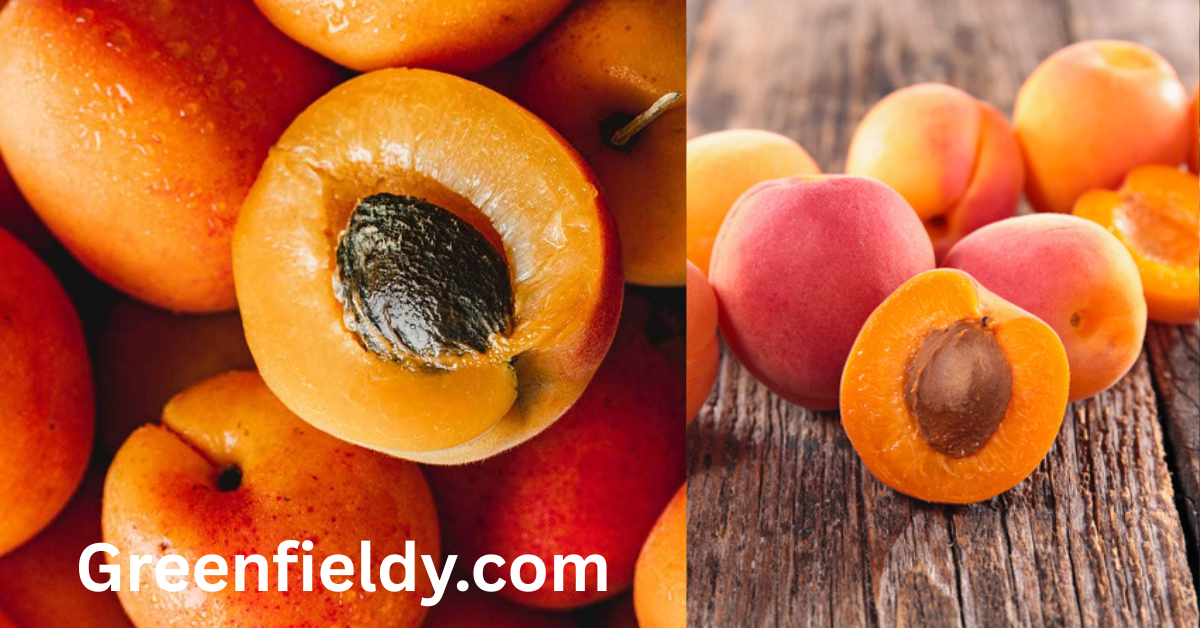
Apricots have long been a favorite fruit across many parts of the world, valued for their sweet flavor, nutritional benefits, and versatility in both fresh and dried forms. However, in recent years, consumers and businesses alike have started noticing something unusual—apricots are becoming harder to find and more expensive. This growing concern is now widely referred to as the apricot shortage.
In this article, we’ll break down the real reasons behind the shortage, its global impact, and what it could mean moving forward.
What Is the Apricot Shortage?
The apricot shortage refers to a significant drop in the availability of apricots in both local and international markets. This includes fresh apricots as well as processed products like dried apricots, jams, and juices.
Unlike short-term supply issues, this shortage is more complex and driven by multiple long-term factors affecting production and distribution.
Key Causes of the Apricot Shortage
1. Unpredictable Weather Conditions
Apricot trees are extremely sensitive to weather changes, especially during their flowering stage. A sudden frost or unexpected temperature drop can destroy blossoms, leaving trees unable to produce fruit.
In recent seasons, many apricot-growing regions have experienced:
- Late spring frosts
- Heatwaves
- Irregular rainfall
These conditions have severely reduced harvest yields.
2. Climate Change
Climate change is making traditional farming cycles less reliable. Warmer winters followed by sudden cold snaps confuse plant growth patterns. As a result, apricot trees may bloom earlier than usual, only to be damaged by late frost.
Over time, this leads to:
- Reduced productivity
- Increased crop failure risk
- Long-term damage to orchards
3. Dependence on Limited Growing Regions
Apricot production is concentrated in a few regions of the world. When one major producing area faces a poor harvest, the global supply is immediately affected.
This lack of diversification makes the apricot market more vulnerable compared to other fruits.
4. Rising Farming Costs
Farmers are dealing with increasing costs for:
- Fertilizers
- Water and irrigation
- Labor
- Transportation
These rising expenses make apricot farming less profitable, leading some growers to switch to more stable crops.
5. Supply Chain Disruptions
Even when production is stable in some areas, logistics can still cause shortages. Delays in transportation, export restrictions, or high fuel costs can limit how quickly apricots reach markets.
Effects of the Apricot Shortage
Higher Prices
One of the most noticeable effects is the increase in prices. Both fresh and dried apricots have become more expensive due to limited supply and high demand.
Reduced Availability
Consumers may find:
- Fewer apricots in grocery stores
- Limited options in dried fruit sections
- Seasonal shortages lasting longer than usual
Impact on Food Industry
Many food products rely on apricots, including:
- Bakery items
- Desserts
- Health snacks
Manufacturers may reduce production, raise prices, or use alternative ingredients.
Shift to Substitute Fruits
Due to the shortage, people are turning to alternatives such as:
- Peaches
- Plums
- Mangoes
While these fruits offer similar sweetness, they don’t fully replace the unique taste of apricots.
What Does This Mean for the Future?
The apricot shortage is not just a temporary issue—it reflects deeper challenges in global agriculture. If climate patterns continue to shift and farming costs rise, similar shortages could affect other crops as well.
However, there are possible solutions:
- Improved farming techniques
- Climate-resistant crop varieties
- Better supply chain management
With the right strategies, the apricot industry can recover over time.
FAQs About Apricot Shortage
1. Why are apricots so expensive right now?
Apricots are expensive due to reduced supply caused by weather damage, climate change, and increased production costs.
2. Is the apricot shortage global?
Yes, the shortage is affecting multiple countries because major producing regions have experienced poor harvests.
3. Will apricot prices go down soon?
Prices may stabilize, but a significant drop is unlikely in the short term due to ongoing supply challenges.
4. Are dried apricots also affected?
Yes, dried apricots are heavily impacted since they depend on fresh apricot production. Lower harvests mean less supply for processing.
5. What are good alternatives to apricots?
Peaches, plums, and nectarines are commonly used as substitutes, although they differ slightly in flavor and texture.
Conclusion
The apricot shortage is a clear reminder of how sensitive our food systems are to environmental and economic changes. From unpredictable weather to rising farming costs, multiple factors are coming together to reduce the availability of this beloved fruit.
For consumers, this means adjusting to higher prices and limited supply. For farmers and industry leaders, it highlights the urgent need for innovation and resilience in agriculture.
While the situation may improve over time, the apricot shortage serves as a warning sign—one that emphasizes the importance of sustainable farming and global food security in the years ahead.
About the Author