Brake ferns are elegant, hardy plants that bring a lush, woodland feel to homes and gardens. Known for their graceful fronds and adaptability, they are a favorite among both beginner and experienced plant lovers. This complete guide to brake fern care covers everything you need to know to keep your plant healthy, vibrant, and thriving without unnecessary or irrelevant details.
Understanding Brake Ferns
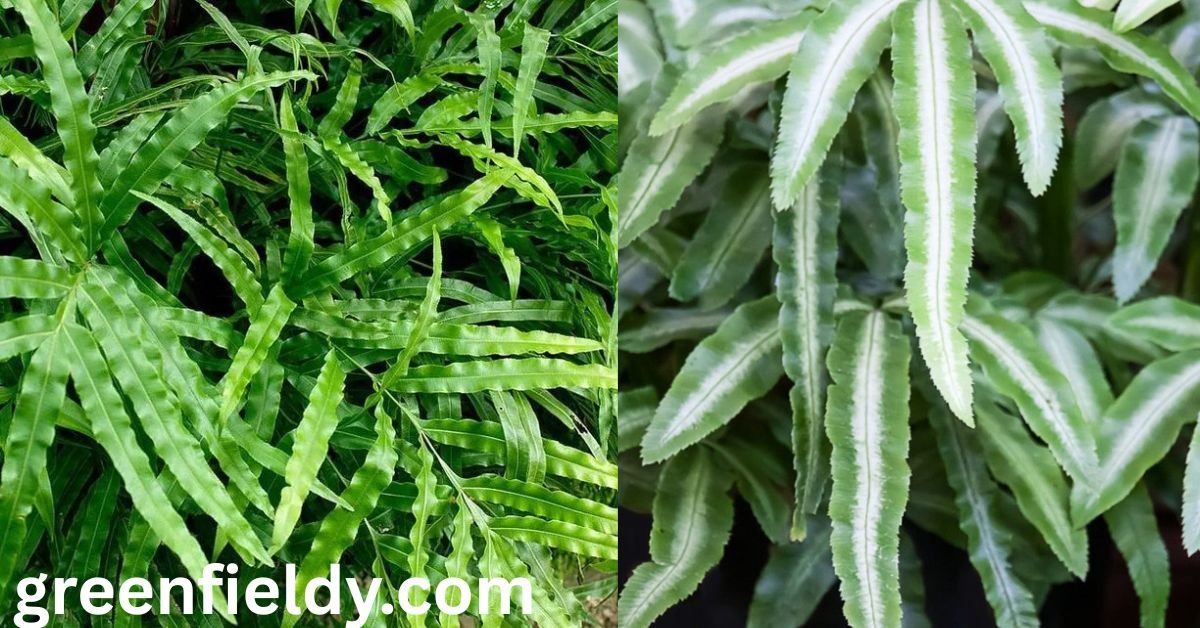
Brake ferns belong to the genus Pteris and are commonly found in tropical and subtropical regions. They are recognized for their long, arching fronds and tolerance for indoor conditions. Unlike flowering plants, brake ferns reproduce through spores, which means their care focuses on foliage health rather than blooms.
Knowing their natural habitat shaded forest floors with consistent moisture helps you replicate the right environment at home.
Choosing the Right Location
Location plays a major role in successful brake fern care. These plants prefer bright, indirect light. Direct sunlight can scorch their delicate fronds, while very low light may slow growth.
Indoors, place your brake fern near an east- or north-facing window. Outdoors, a shaded or partially shaded area works best. Stable temperatures and protection from strong drafts will also support healthy growth.
Light Requirements for Optimal Growth
Brake ferns thrive in filtered or indirect light. Too much sun exposure can cause browning or fading of the leaves, while insufficient light may result in sparse growth.
If grown indoors, sheer curtains can help soften strong sunlight. For outdoor plants, dappled shade under trees or structures closely mimics their natural environment and supports balanced development.
Watering Brake Ferns Properly
Consistent moisture is essential in brake fern care, but overwatering should be avoided. The soil should remain evenly moist, not soggy. Allow the top layer of soil to slightly dry before watering again.
Using room-temperature water helps prevent shock to the roots. Good drainage is crucial, as standing water can lead to root rot and other fungal issues.
Soil and Potting Needs
Brake ferns prefer well-draining, nutrient-rich soil. A mix designed for ferns or a blend of peat moss, perlite, and compost works well. This type of soil retains moisture while still allowing excess water to escape.
When potting, choose a container with drainage holes. Repotting every one to two years refreshes the soil and provides room for healthy root expansion.
Humidity and Temperature Preferences
Humidity is a key factor in maintaining lush fronds. Brake ferns enjoy moderate to high humidity, similar to their natural forest habitats. Indoor humidity can be increased by misting, using a pebble tray, or placing a humidifier nearby.
Temperatures between 60°F and 75°F (15°C to 24°C) are ideal. Avoid sudden temperature changes, cold drafts, or placing the plant near heating vents.
Fertilizing for Healthy Foliage
Brake ferns do not require heavy feeding, but light fertilization supports steady growth. During the growing season (spring and summer), apply a balanced, diluted liquid fertilizer once a month.
Over-fertilizing can damage the roots and cause leaf burn, so it’s best to err on the side of caution. Reduce or stop fertilizing during fall and winter when growth naturally slows.
Pruning and General Maintenance
Regular maintenance keeps brake ferns looking neat and encourages new growth. Remove yellowing, damaged, or dead fronds by cutting them at the base. This improves air circulation and directs energy toward healthy foliage.
Cleaning dust from the leaves with a soft, damp cloth also helps the plant absorb light more efficiently.
Common Problems and How to Fix Them
Even with proper brake fern care, issues can arise. Browning leaf tips often indicate low humidity or inconsistent watering. Pale or yellow leaves may suggest too much light or nutrient imbalance.
Pests such as spider mites and scale insects occasionally appear, especially in dry conditions. Regular inspection and gentle cleaning usually prevent infestations from becoming serious.
Propagation and Long-Term Care
Brake ferns can be propagated through division during repotting. Gently separate healthy root sections and plant them in fresh soil. This method ensures new plants grow true to the parent.
With consistent care proper light, moisture, and humidity brake ferns can thrive for many years. Their resilience and graceful appearance make them a rewarding addition to any indoor or shaded outdoor space.
Final Thoughts
Mastering brake fern care is all about understanding the plant’s natural needs and providing a stable, supportive environment. By focusing on light, moisture, humidity, and regular maintenance, you can enjoy healthy, vibrant fronds year-round. Whether you’re growing one as a houseplant or in a shaded garden, brake ferns offer timeless beauty with relatively simple care.
Frequently Asked Questions (FAQs)
1. How often should I water a brake fern?
Water your brake fern when the top inch of soil feels slightly dry. The goal of proper brake fern care is to keep the soil consistently moist without allowing it to become soggy.
2. Can brake ferns grow indoors?
Yes, brake ferns grow very well indoors when placed in bright, indirect light with adequate humidity. Indoor environments that mimic their natural shaded habitat support healthy growth.
3. Why are the tips of my brake fern turning brown?
Brown leaf tips are usually caused by low humidity, underwatering, or exposure to direct sunlight. Improving moisture levels and adjusting light conditions can quickly resolve this issue.
4. What type of soil is best for brake fern care?
A well-draining, organic-rich soil mix works best. Fern-specific potting mixes or blends containing peat moss and perlite help maintain proper moisture balance.
5. Do brake ferns need fertilizer?
Brake ferns benefit from light feeding during the growing season. Use a diluted, balanced liquid fertilizer once a month in spring and summer for optimal foliage health.
Conclusion
Successful brake fern care depends on consistency and understanding the plant’s natural preferences. By providing indirect light, evenly moist soil, sufficient humidity, and occasional maintenance, brake ferns remain healthy and visually appealing. These graceful plants reward proper care with lush, vibrant foliage and long-lasting beauty. Whether grown indoors or in shaded outdoor spaces, brake ferns are a dependable and elegant addition to any plant collection.
About the Author