Many fruits contain seeds, but only a specific group qualifies as Fruit With Black Seeds. These fruits are easily recognized by their dark-colored seeds, which are a natural part of their structure. Black seeds are common in tropical and temperate fruits and often play an important role in nutrition, reproduction, and taste. This article explains exactly which fruits have black seeds and why they matter.
What Does “Fruit With Black Seeds” Mean?
A Fruit With Black Seeds refers to fruits whose mature seeds appear black or very dark in color. This coloration develops naturally as the seed ripens and hardens. Black seeds are not artificial or harmful; they are a normal biological feature that helps protect the seed and ensure successful plant growth.
How to Identify Fruit With Black Seeds Easily
Identifying a Fruit With Black Seeds is usually simple once the fruit is cut open. Black seeds are often clearly visible against light-colored flesh, making them easy to recognize. In fruits like watermelon and papaya, the seeds are large and clustered in the center. In fruits such as kiwi and dragon fruit, the seeds are much smaller and spread evenly throughout the flesh. Seed size, placement, and color are key indicators when identifying fruits with black seeds. This makes it easier for consumers to distinguish between edible and non-edible seeds and choose the right fruit for their dietary needs.
Watermelon: The Most Common Fruit With Black Seeds
Watermelon is the most well-known Fruit With Black Seeds. Its large, flat, black seeds are clearly visible against the red flesh. These seeds are usually removed before eating, but they are edible when roasted. Watermelon seeds are rich in protein, healthy fats, and minerals, making them nutritionally valuable.

Papaya: A Tropical Fruit With Black Seeds
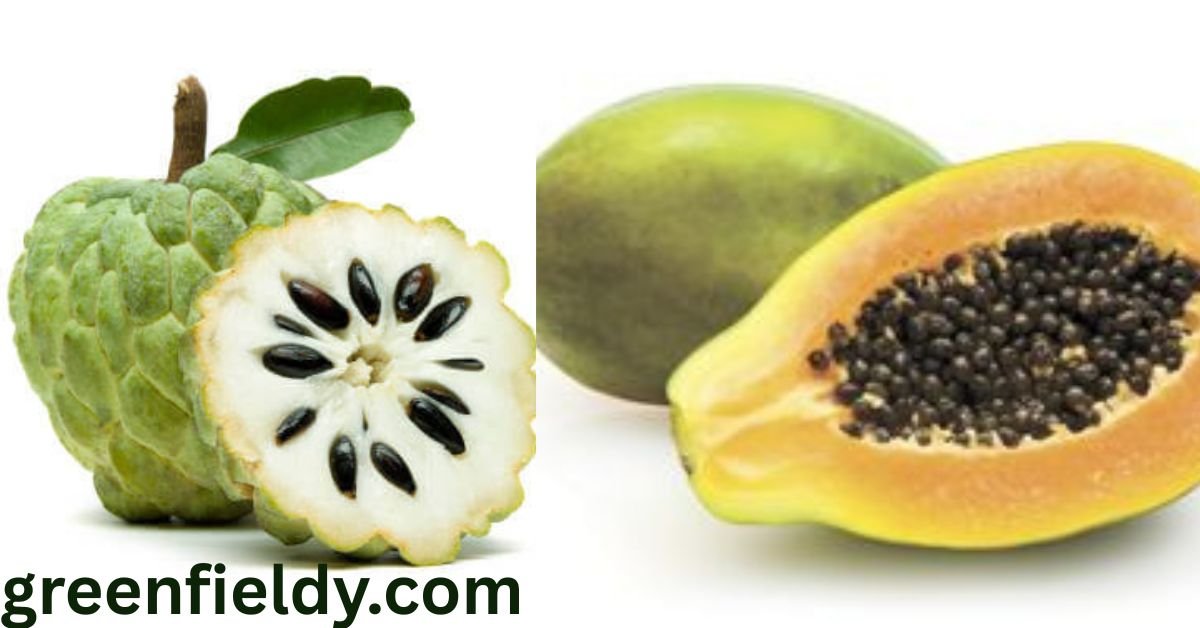
Papaya is another popular Fruit With Black Seeds. Inside the fruit, hundreds of round black seeds are surrounded by soft orange flesh. These seeds have a strong, peppery flavor and are often discarded, though they are edible in small amounts. Papaya seeds contain enzymes and antioxidants that support digestion.

Passion Fruit and Dragon Fruit With Black Seeds
Passion fruit is a Fruit With Black Seeds where the seeds are fully edible. The black seeds are mixed with juicy pulp and provide a crunchy texture.
Dragon fruit also contains tiny black seeds spread throughout its flesh. These seeds are soft, edible, and rich in fiber and omega fats, making dragon fruit one of the healthiest fruits with black seeds.

Kiwi and Other Fruits With Small Black Seeds
Kiwi is a Fruit With Black Seeds that contains many tiny, edible black seeds. These seeds are soft and safe to consume and contribute to kiwi’s high fiber content. Other fruits with small black seeds include figs and blackberries, where the seeds are naturally consumed along with the fruit.

FAQs About Fruit With Black Seeds
1. Which fruits have black seeds?
Common Fruit With Black Seeds include watermelon, papaya, passion fruit, dragon fruit, kiwi, figs, and blackberries.
2. Are black seeds in fruits natural?
Yes, black seeds are completely natural. They develop as the seed matures and are part of the fruit’s normal growth cycle.
3. Can you eat black seeds found in fruits?
Some black seeds, such as those in kiwi, dragon fruit, and passion fruit, are edible. Larger seeds like those in watermelon and papaya are usually removed before eating.
4. Why do some fruits have black seeds instead of white seeds?
Seed color depends on the fruit type and maturity stage. Black seeds often indicate fully developed seeds with protective outer layers.
5. Which fruit has the most visible black seeds?
Papaya and watermelon are the fruits where black seeds are most visible and easy to identify.
Conclusion
A Fruit With Black Seeds includes well-known fruits such as watermelon, papaya, passion fruit, dragon fruit, kiwi, figs, and blackberries. These fruits naturally develop black seeds as part of their growth cycle. Whether the seeds are removed or eaten depends on the fruit, but they are generally safe and often nutritious. Including these fruits in your diet adds variety, fiber, and essential nutrients in a natural way.
About the Author