1. Introduction to the Garlic Shortage
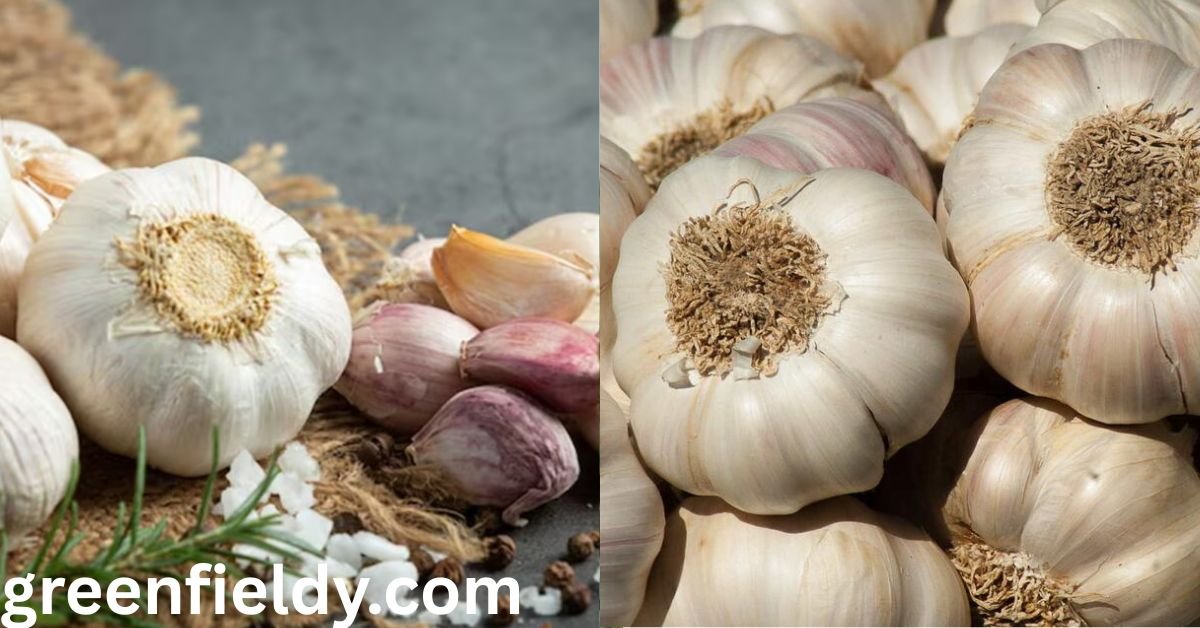
The Garlic Shortage has emerged as a serious concern for consumers, farmers, and food businesses worldwide. Garlic is not just a kitchen staple but also a key ingredient in traditional medicine and global cuisines. When its supply is disrupted, the effects ripple through households and markets alike.
2. What Is Causing the Garlic Shortage
Several factors are behind the Garlic Shortage. Unfavorable weather conditions such as excessive rain, droughts, and frost have damaged crops in major garlic-producing regions. In addition, rising farming costs, labor shortages, and reduced planting areas have contributed to lower yields.
3. Role of Climate Change in Garlic Production
Climate instability plays a major role in the Garlic deficiency. Garlic requires specific temperature ranges and soil conditions. Sudden climate shifts disturb planting cycles and reduce bulb quality, making consistent production increasingly difficult.
4. Supply Chain Disruptions and Trade Issues
Global trade disruptions have intensified the Garlic Shortage. Export restrictions, higher transportation costs, and port delays have slowed down the movement of garlic across borders. Countries that rely heavily on imports are facing limited availability and higher prices.
5. Impact of the Garlic Shortage on Prices
One of the most noticeable effects of the Garlic deficiency is rising prices. Reduced supply combined with steady demand has pushed garlic prices upward in retail and wholesale markets. This impacts not only consumers but also restaurants and food manufacturers.
6. How the Garlic Shortage Affects Consumers
For consumers, the Garlic deficiency means spending more on everyday cooking essentials. Some households are reducing usage or switching to alternatives like garlic powder, though these substitutes do not fully replace fresh garlic in flavor or nutrition.
7. Effects on Restaurants and Food Businesses
Restaurants and food-related businesses are under pressure due to the Garlic deficiency. Higher ingredient costs force menu price increases or portion adjustments. Small food businesses are particularly vulnerable as they operate on tight profit margins.
8. Impact on Farmers and Local Growers
While higher prices may seem beneficial, the Garlic deficiency does not always favor farmers. Crop losses, increased input costs, and uncertain weather conditions often outweigh potential profits. Many growers are reconsidering garlic cultivation due to rising risks.
9. Possible Solutions to the Garlic Shortage
Addressing the Garlic deficiency requires long-term planning. Improved farming techniques, climate-resilient garlic varieties, better storage facilities, and supportive agricultural policies can help stabilize production. Encouraging local farming can also reduce dependency on imports.
10. Future Outlook of the Garlic Shortage
The future of the Garlic Shortage depends on how effectively challenges are managed. If climate adaptation, supply chain improvements, and farmer support are prioritized, the situation may stabilize. Without these measures, garlic supply issues may continue to affect global markets.
Frequently Asked Questions (FAQs) About Garlic Shortage
1. What is the garlic shortage?
The Garlic Shortage refers to a reduced supply of garlic in the market caused by lower production, climate issues, and supply chain disruptions, leading to limited availability and higher prices.
2. Why is there a garlic shortage in many countries?
The Garlic Shortage is mainly due to unfavorable weather, climate change, rising farming costs, labor shortages, and delays in transportation and international trade.
3. How does the garlic deficiency affect prices?
When supply decreases and demand remains stable, prices increase. The Garlic deficiency has caused noticeable price hikes in both local markets and global trade.
4. How long is the garlic deficiency expected to last?
The duration of the Garlic deficiency depends on weather conditions, crop recovery, and improvements in supply chains. In some regions, shortages may ease with the next harvest, while others may face longer-term issues.
5. Are there any alternatives during the garlic shortage?
During the Garlic deficiency, consumers may use garlic powder, garlic paste, or dried garlic as alternatives. However, these substitutes may differ in flavor and nutritional value compared to fresh garlic.
Conclusion
The Garlic Shortage is not a temporary inconvenience but a complex issue tied to climate, economics, and global trade. Understanding its causes and impacts helps consumers and businesses prepare better while highlighting the need for sustainable agricultural solutions.
About the Author