Fruits come in many shapes, colors, and textures. Some fruits are smooth and shiny, while others have a soft, velvety outer layer. These unique fruits are commonly known as fuzzy fruits because of their fine hair-like surface. This texture is not only interesting but also plays a role in protecting the fruit and maintaining its freshness.
In this guide, we will explore what fuzzy fruits are, their common varieties, nutritional benefits, how to eat them, and why they are loved around the world.
Click The Latest Carrot Shortage
What Are Fuzzy Fruits?
Fuzzy fruits are fruits that have a soft, hairy, or velvety skin on the outside. The tiny hairs covering the fruit are called trichomes. These natural fibers give the fruit its distinctive fuzzy texture.
This fuzz acts as a natural protective layer that helps reduce moisture loss and protects the fruit from pests and environmental damage. While the texture may feel unusual at first, most fuzzy fruit skins are safe to eat and often contain nutrients.
Why Do Some Fruits Have Fuzzy Skin?
The fuzz on fruits with fuzzy skin is not just for appearance. It serves several important purposes:
- Protection from insects that may damage the fruit
- Reduced water loss, helping the fruit stay fresh longer
- Protection from sunlight and temperature changes
- Defense against fungi and bacteria
This natural adaptation helps these fruits survive in different climates and environments.
Popular Types of Fuzzy Fruits
Several fruits are well known for their fuzzy outer layer. Some of the most popular examples include:
Peaches
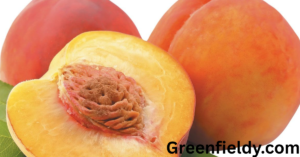
Peaches are among the most recognizable fruits with fuzzy skin. They have soft skin and juicy, sweet flesh that ranges from yellow to white.
Apricots

Apricots have a lighter fuzz than peaches but still fall into the fruits with fuzzy skin category. They have a sweet and slightly tangy flavor.
Kiwifruit

Kiwifruit has brown fuzzy skin and bright green or golden flesh inside. It is packed with vitamin C and antioxidants.
These fruits are widely grown and consumed around the world.
Nutritional Value of Fuzzy Fruits
Many fuzzy fruits are rich in essential nutrients that support overall health. Common nutrients include:
- Vitamin C for immune support
- Vitamin A for healthy skin and vision
- Dietary fiber for digestion
- Antioxidants that protect cells from damage
- Potassium for heart health
Because of these nutrients, fuzzy fruits can be an excellent addition to a balanced diet.
Health Benefits of Eating Fuzzy Fruits
Adding fruits with fuzzy skin to your daily meals may provide several health benefits.
Supports digestion
The fiber in these fruits helps maintain a healthy digestive system.
Boosts immunity
Many fruits with fuzzy skin contain high amounts of vitamin C, which strengthens the immune system.
Promotes heart health
Potassium and antioxidants found in these fruits may help support cardiovascular health.
Improves skin health
Vitamins and antioxidants can help maintain healthy skin and reduce signs of aging.
How to Eat Fuzzy Fruits
There are many simple ways to enjoy fuzzy fruits.
- Eat them fresh as a snack
- Add slices to fruit salads
- Blend them into smoothies
- Use them in desserts like pies and tarts
- Add them to yogurt or cereal
Some people prefer to peel the skin if the fuzz feels uncomfortable, but in many cases the skin is edible and nutritious.
Growing Conditions for Fuzzy Fruits
Most fuzzy fruits grow best in moderate climates with plenty of sunlight. They typically require:
- Well-drained soil
- Regular watering
- Adequate sunlight
- Protection from extreme frost
Farmers carefully manage these conditions to produce high-quality fruit.
Are Fuzzy Fruit Skins Safe to Eat?
Yes, the skin of most fuzzy fruits is safe to eat. However, some people may find the texture irritating to their throat or skin.
If you prefer a smoother texture, you can simply peel the fruit before eating. Washing the fruit thoroughly can also remove excess fuzz and dirt.
Culinary Uses of fruits with fuzzy skin
Chefs and home cooks use fruits with fuzzy skinin many delicious recipes.
Common culinary uses include:
- Fruit salads
- Smoothies and juices
- Cakes and pastries
- Jams and preserves
- Yogurt toppings
Their sweet flavor and juicy texture make them perfect for both sweet dishes and refreshing drinks.
How to Select and Store Fuzzy Fruits
Choosing the right fuzzy fruits ensures better taste and freshness.
Tips for selecting
- Look for fruits that are slightly soft when pressed
- Avoid fruits with bruises or mold
- Choose fruits with a pleasant aroma
Storage tips
- Store unripe fruits at room temperature
- Refrigerate ripe fruits to extend freshness
- Consume within a few days for the best flavor
Frequently Asked Questions (FAQs)
1. What are fuzzy fruits?
Fuzzy fruits are fruits that have a soft, hairy skin on the outside, such as peaches, apricots, and kiwifruit.
2. Why do fruits have fuzz on their skin?
The fuzz helps protect the fruit from insects, sunlight, and moisture loss.
3. Are fuzzy fruits healthy?
Yes, fuzzy fruits are rich in vitamins, fiber, and antioxidants that support overall health.
4. Can you eat the skin of fuzzy fruits?
Yes, most fuzzy fruit skins are edible, but they can also be peeled if you prefer.
5. Which fuzzy fruit has the most vitamin C?
Kiwifruit is one of the fuzzy fruits highest in vitamin C.
Conclusion
Fuzzy fruits are unique and nutritious fruits known for their soft, velvety skin and delicious flavor. From peaches and apricots to kiwifruit, these fruits offer a variety of nutrients that support overall health. Their natural fuzz helps protect the fruit while maintaining freshness.
By adding fruits with fuzzy skin to your diet, you can enjoy their sweet taste, health benefits, and versatility in many recipes. Whether eaten fresh, blended into smoothies, or used in desserts, these fruits remain a valuable and tasty part of a healthy lifestyle.
About the Author