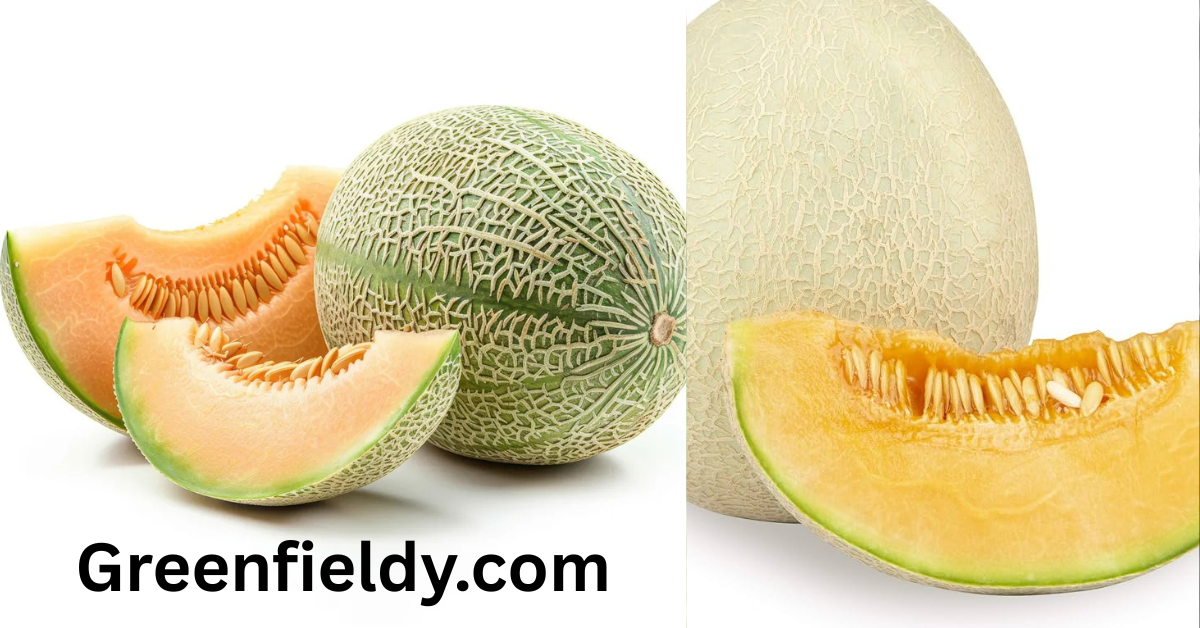
Musk melon, often enjoyed for its refreshing sweetness and hydrating properties, is a popular summer fruit in many parts of the world. Known for its delicate aroma and nutritional value, it has long been a staple in households, especially during hot seasons. However, in recent times, consumers and traders have been facing an unexpected issue—the musk melon shortage.
From rising prices to reduced availability in markets, this shortage is becoming increasingly noticeable. But what exactly is causing it, and how long will it last? This article explores the key reasons, global effects, and what the future may hold.
What Is the Musk Melon Shortage?
The musk melon shortage refers to a decline in production and supply of musk melons, leading to limited availability in markets and increased prices. While seasonal fluctuations are normal for fruits, the current shortage goes beyond routine changes and reflects deeper agricultural challenges.
This shortage is affecting both local markets and supply chains, making it harder for consumers to access fresh, high-quality fruit.
Major Causes of the Musk Melon Shortage
1. Unpredictable Weather Patterns
Weather plays a crucial role in musk melon cultivation. The fruit thrives in warm climates with controlled irrigation. However, recent weather changes have disrupted this balance.
Farmers have reported:
- Unexpected rainfall during growing periods
- Heatwaves damaging crops
- Sudden temperature fluctuations
These conditions reduce both yield and fruit quality, contributing significantly to the shortage.
2. Climate Change and Environmental Stress
Long-term climate change is intensifying the problem. Rising temperatures and irregular weather patterns affect soil health, water availability, and crop cycles.
Musk melons are particularly sensitive to environmental stress. Even slight changes in temperature or humidity can impact:
- Flowering
- Fruit development
- Sugar content and taste
As a result, farmers face lower productivity and higher risks.
3. Water Scarcity
Musk melons require consistent watering, especially during early growth stages. In regions experiencing water shortages, farmers struggle to maintain proper irrigation.
Limited water supply leads to:
- Smaller fruit size
- Lower yields
- Poor crop quality
This is a major factor behind reduced supply in many agricultural areas.
4. Rising Farming Costs
Like many crops, musk melon production is becoming more expensive. Farmers are dealing with increasing costs for:
- Fertilizers
- Seeds
- Labor
- Transportation
These rising expenses reduce profit margins, forcing some growers to switch to alternative crops that are more financially stable.
5. Pest and Disease Issues
Musk melon crops are vulnerable to several pests and diseases, including:
- Aphids
- Fruit flies
- Fungal infections
Outbreaks can quickly spread across fields, damaging large portions of the crop. Without proper pest management, farmers may lose a significant share of their harvest.
6. Supply Chain Disruptions
Even when production is stable in some areas, supply chain issues can limit availability. Transportation delays, fuel price increases, and poor storage facilities all contribute to reduced market supply.
This means that even harvested fruit may not reach consumers efficiently.
Impact of the Musk Melon Shortage
1. Increased Prices
One of the most noticeable effects is the rise in prices. With supply decreasing and demand remaining high, musk melons have become more expensive in many markets.
2. Limited Availability
Consumers may notice:
- Fewer musk melons in local markets
- Shorter selling seasons
- Inconsistent quality
Retailers may also struggle to maintain steady stock levels.
3. Impact on Vendors and Farmers
While higher prices may seem beneficial, they don’t always translate into higher profits for farmers. Reduced production often means lower total income.
Vendors also face challenges due to inconsistent supply, making it difficult to meet customer demand.
4. Shift to Alternative Fruits
Due to the shortage, consumers are turning to other fruits such as:
- Watermelon
- Papaya
- Honeydew melon
Although these fruits provide similar hydration, they differ in flavor and texture.
Regional Perspective
In countries like Pakistan and India, musk melon is widely grown and consumed during the summer season. However, these regions have recently faced extreme heatwaves and irregular rainfall, which have significantly impacted crop yields.
Farmers in these areas report that changing climate conditions are making it increasingly difficult to maintain consistent production levels.
Future Outlook: Will the Shortage Continue?
The future of musk melon supply depends on how quickly the agricultural sector can adapt to current challenges. While the shortage may ease in favorable seasons, long-term risks remain.
Possible solutions include:
- Adoption of climate-resilient farming methods
- Improved irrigation systems
- Use of disease-resistant seeds
- Better storage and transportation infrastructure
With these measures, the industry can gradually stabilize and reduce the impact of shortages.
Tips for Consumers
If you’re facing difficulty finding musk melons, here are a few tips:
- Buy during peak season when supply is higher
- Consider alternative fruits for similar nutrition
- Check local markets for fresh stock
- Store properly to extend shelf life
Being flexible with fruit choices can help manage the effects of the shortage.
FAQs About Musk Melon Shortage
1. Why is there a musk melon shortage?
The shortage is mainly due to weather changes, climate impact, water scarcity, and rising farming costs.
2. Are musk melon prices going to increase further?
Prices may fluctuate depending on supply, but they are likely to remain high during low-production periods.
3. Is the shortage affecting all regions?
Most major growing regions are experiencing some level of impact, though severity may vary.
4. Can farmers recover from this shortage?
Yes, with better farming techniques and improved infrastructure, production can recover over time.
5. What are the best alternatives to musk melon?
Watermelon, papaya, and honeydew melon are good alternatives with similar hydration benefits.
Conclusion
The musk melon shortage is a growing concern that reflects broader challenges in agriculture. From unpredictable weather and climate change to rising costs and supply chain disruptions, multiple factors are contributing to reduced availability.
While the situation may improve in the short term with better weather conditions, long-term solutions are essential for ensuring a stable supply. Farmers, policymakers, and consumers all have a role to play in adapting to these changes.
For now, being aware of the causes and impacts of the shortage can help consumers make informed choices and better navigate the changing market.
About the Author