
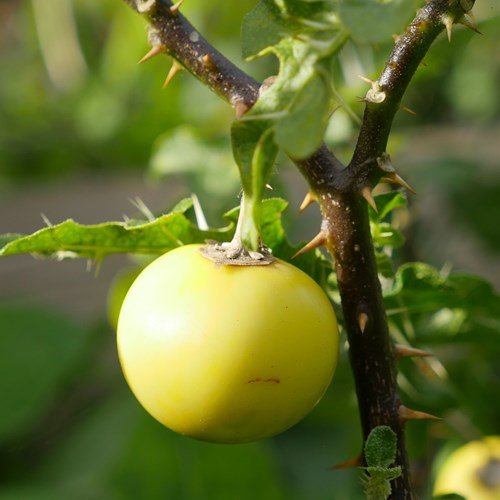
Introduction to Devils Apple
The devils apple is a fascinating plant that often sparks curiosity because of its unusual name and powerful natural properties. Known for its distinctive spiky fruit and large trumpet-shaped flowers, this plant has been part of traditional medicine and folklore for centuries. While the devils apple can be visually striking, it is also a plant that requires careful understanding because of its strong chemical compounds. Learning about its origins, uses, and risks helps people appreciate why it remains both respected and feared in many cultures.
Botanical Background of Devils Apple
The plant commonly referred to as devils apple belongs to the Datura genus. These plants grow in warm and temperate regions and are recognized by their large leaves, white or purple flowers, and thorn-covered seed pods. The plant often grows in fields, roadsides, and disturbed soil. Because it spreads easily, it can appear in gardens or agricultural land without being intentionally planted.
Click The Latest Carrot Shortage
Physical Characteristics of Devils Apple
One of the most recognizable features of the devils apple is its round, spiny fruit that resembles a small thorny ball. When the fruit matures, it splits open to release numerous seeds. The plant also produces large trumpet-shaped flowers that bloom mostly in the evening. Its leaves are broad and slightly wavy, giving the plant a dense and bushy appearance.
Natural Habitat and Growth Conditions
The devils apple grows best in sunny environments with loose, well-drained soil. It commonly appears in tropical and subtropical regions but can also grow in many other climates. Because the plant adapts easily to different conditions, it is sometimes considered a wild or invasive species in certain areas.
Historical and Cultural Significance
Throughout history, the devils apple has played a role in various cultural traditions. In some ancient societies, it was used in ritual practices and herbal preparations. Stories and myths surrounding the plant often highlight its mysterious nature, which is one reason its dramatic name became popular in folklore.
Traditional Uses in Herbal Practices
In certain traditional systems of herbal medicine, carefully prepared parts of the devils apple plant were sometimes used for specific remedies. These preparations were usually handled only by experienced practitioners because the plant contains potent compounds. Historical texts mention its use in limited and controlled amounts.
Toxicity and Safety Concerns
One of the most important things to understand about the devils apple is its toxicity. The plant contains strong alkaloids that can affect the nervous system if consumed improperly. Because of these compounds, accidental ingestion can be dangerous. For this reason, the plant should never be used without expert knowledge or medical guidance.
Ecological Role of the Plant
Despite its risks, the devils apple plays a small but interesting role in local ecosystems. Its flowers attract certain insects, including moths that help with pollination. The plant’s rapid growth also allows it to colonize open spaces quickly, making it part of the natural cycle of disturbed environments.
Similar Plants Often Confused with Thorn Apple
Some plants with spiky fruits or trumpet-shaped flowers are sometimes mistaken for the devils apple. For example, certain ornamental plants in gardens may look similar but belong to different species. Proper identification is important, especially because the chemical composition of these plants can vary.
Why the Name Devils Apple Exists
The unusual name Thorn Apple comes from a mix of folklore and the plant’s strong effects. Its strange appearance, combined with stories about its powerful properties, led people in many regions to associate it with mystery and danger. Over time, the name became widely used in common language.
FAQs
1. What is the devils apple plant?
The devils apple is a plant from the Datura genus known for its spiky fruit and trumpet-shaped flowers. It grows naturally in many warm regions and has been known in folklore and herbal traditions.
2. Is devils apple poisonous?
Yes, the Thorn Apple contains toxic compounds that can affect the nervous system if consumed improperly. Because of this, it should never be used without proper knowledge or guidance.
3. Where does devils apple grow?
The plant usually grows in sunny areas such as fields, roadsides, and open land. It thrives in warm climates but can adapt to many environments.
4. Why is it called devils apple?
The name comes from traditional beliefs and stories that highlight the plant’s mysterious appearance and strong natural effects.
Conclusion
The devils apple is a plant that combines striking beauty with powerful natural chemistry. Its spiny fruit, large flowers, and long history in folklore make it one of the more intriguing plants found in the wild. At the same time, its toxic properties mean it should be approached with caution and respect. Understanding the characteristics, history, and risks of the Thorn Apple helps people recognize its place in nature while remaining aware of its potential dangers.
About the Author